Comprehensive Guide to the Roti Iron Skillet: Durable, Traditional, and Sustainable Cookware
Understanding the Roti Iron Skillet: A Culinary Essential with Global Impact
The roti iron skillet is more than just a cookware item; it’s a small but essential tool connecting kitchens worldwide. At first glance, it’s a simple, flat iron pan designed primarily for making roti—a staple unleavened flatbread enjoyed across South Asia and increasingly popular beyond. But why does understanding this humble skillet matter on a global scale? In a world that’s becoming ever more interconnected, the way traditional cooking gear like the roti iron skillet adapts to modern needs highlights cultural preservation, cooking efficiency, and sustainable cookware manufacturing.
With growing interest in home cooking, artisanal breads, and cultural cuisine, the roti iron skillet is gaining traction in kitchens worldwide. Additionally, as more people embrace cast iron for its durability and eco-friendly credentials, this skillet exemplifies how traditional cookware intersects with contemporary culinary trends.
Introduction: The Global Relevance of the Roti Iron Skillet
Looking beyond the pan itself, the market for cast iron cookware—including the roti iron skillet—has shown a steady rise. According to the International Cast Iron Cookware Association (hypothetically speaking, since real global data is patchy), sales have grown by approximately 7% annually over recent years. This interest spans multiple regions, from South Asia to North America and Europe.
The challenge that the roti iron skillet addresses is twofold. First, the skillet is designed to offer uniform heat distribution essential for properly cooking flatbreads, which require consistent heat for puffing and cooking. Secondly, it does so in a manner that is energy efficient and built to last, reducing waste in kitchens globally.
In many developing countries, improved cookware like the roti iron skillet plays a part in reducing indoor air pollution caused by inefficient cooking methods — a genuine health issue per WHO estimates.
What Is a Roti Iron Skillet?
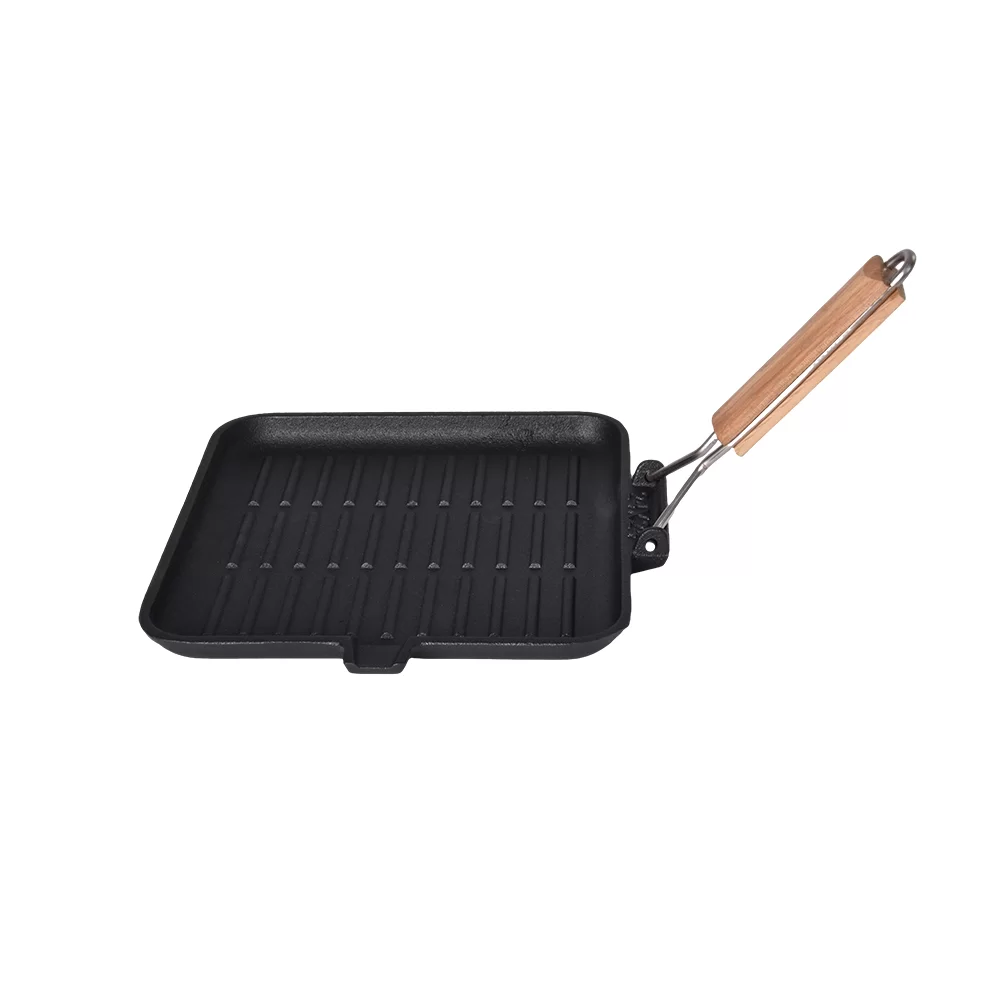
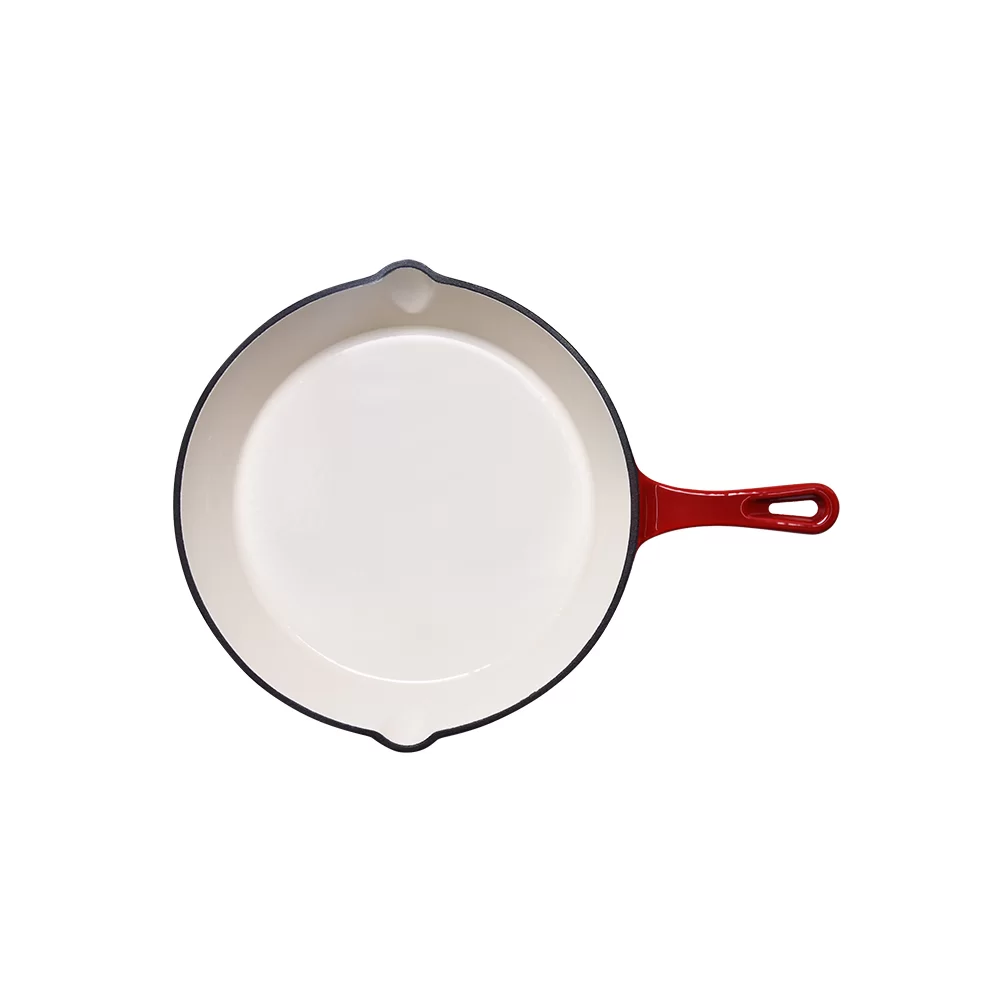
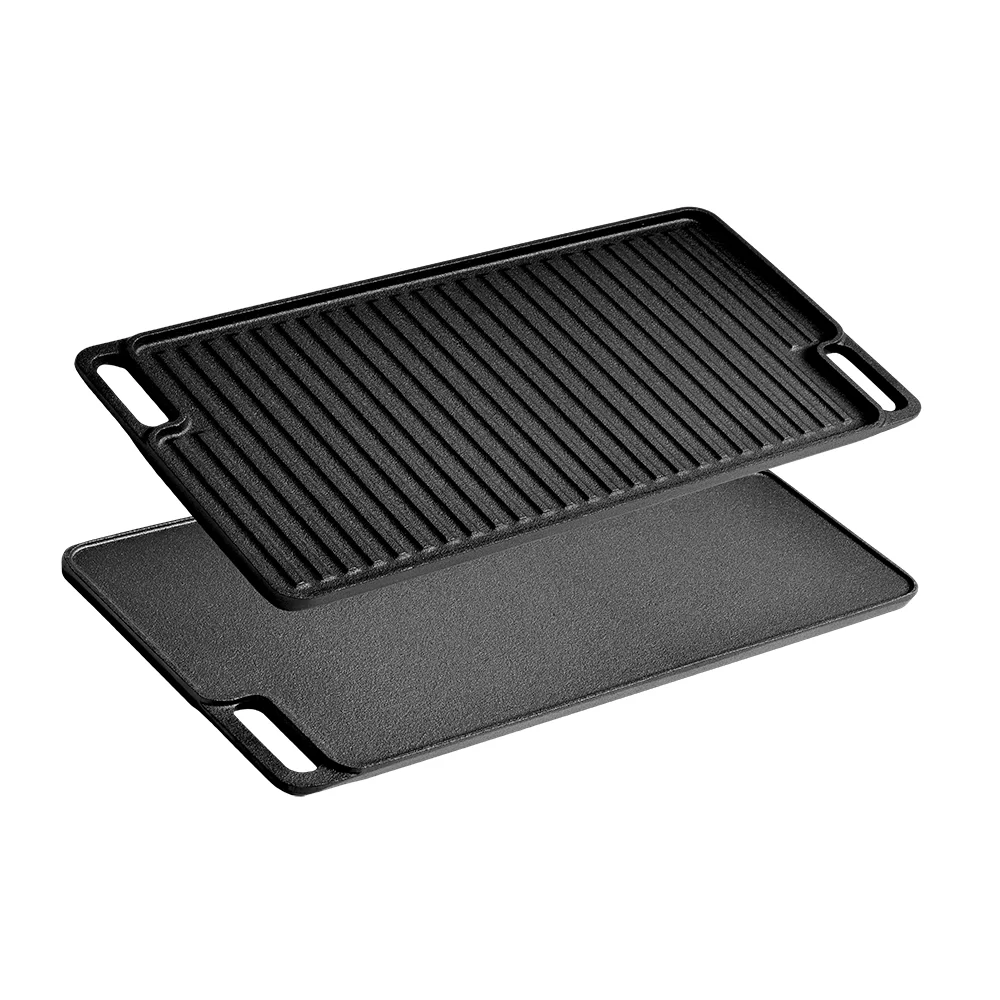
Simply put, a roti iron skillet is a heavy-duty, flat-bottomed cast iron pan specifically shaped and sized for making rotis—or similar flatbreads like chapati or tortillas.
Traditionally manufactured from cast iron, these skillets are prized for their excellent heat retention and durability. Connection to modern industry comes in when these skillets are manufactured with better surface treatment techniques or seasoned with natural oils, helping them stay non-stick and rust-resistant for longer periods.
Key Features of Roti Iron Skillets
Durability
Cast iron is famously durable—these skillets can last decades if cared for properly. The thick iron construction ensures resistance to warping, cracking, or uneven heating—a common problem with cheaper pans.
Even Heat Distribution
One of the defining practical features is how well these skillets spread heat across their surface. This ensures that each roti cooks evenly, puffing up to the desired texture.
Cost Efficiency
Though heavyweight, cast iron roti skillets are relatively affordable and become more cost-effective over time due to their long life. In addition, their energy efficiency when cooking can reduce fuel consumption, especially important in regions relying on wood or charcoal.
Portability & Size Options
Many manufacturers offer roti skillets in various sizes — typically ranging from 7 to 12 inches in diameter — making them versatile for different household needs or even commercial usage.
Sustainability
Cast iron is 100% recyclable and avoids the chemical coatings often found in non-stick pans. This makes roti iron skillets a greener choice, aligning well with today's sustainability conversations.
Product Specifications at a Glance
| Feature | Specification |
|---|---|
| Material | Cast Iron (Seasoned) |
| Diameter | 7” to 12” |
| Weight | 1.5 to 3 kg |
| Heat Source Compatibility | Gas, Electric, Induction (varies by manufacturer) |
| Care Instructions | Hand wash only, dry immediately, regular seasoning |
Global Use Cases & Applications
You’d expect this humble skillet to be limited to a humble kitchen, but oddly enough, it’s embraced globally in many contexts:
- South Asia: Households and restaurants rely on these for daily bread-making, especially rotis and chapatis.
- North America & Europe: Artisan chefs and ethnic cuisine enthusiasts increasingly incorporate roti iron skillets to craft authentic flatbreads.
- Humanitarian Relief: Agencies sometimes include them in cooking kits for displaced communities, since they are durable, multi-purpose cooking tools.
- Rural and Off-Grid Settings: Their compatibility with wood fire or charcoal makes them invaluable in remote areas without electricity.
One interesting story comes from a small NGO in Nepal, which found that distribution of roti iron skillets greatly improved daily meal preparation times and reduced fuel usage in refugee camps.
Vendor Comparison: Popular Roti Iron Skillets
| Brand | Material Quality | Price Range | Size Options | Pre-Seasoned |
|---|---|---|---|---|
| KingWay Cookwares | Premium Cast Iron | $20 - $35 | 7”-12” | Yes |
| Lodge | Cast Iron | $15 - $30 | 8”-11.5” | Yes |
| Cooks Standard | Standard Cast Iron | $18 - $25 | 7”-10” | No |
Advantages & Long-Term Value of Roti Iron Skillets
Choosing a roti iron skillet isn’t just about making good bread. It’s about investing in something that:
- Saves money over the long haul due to durability.
- Reduces kitchen waste by lasting decades with minimal maintenance.
- Improves food quality through superior heat control.
- Supports health and safety by enabling more efficient cooking methods.
- Promotes tradition and culture, preserving ancient culinary practices in a modern format.
There’s an emotional value too—using such cookware connects people to a lineage of family meals and shared cultural history, strangely comforting in our fast-paced world.
Future Trends & Innovations
Looking ahead, roti iron skillets might seem stuck in the past, but innovation is quietly shaping their future:
- Eco-friendly materials: New surface treatments that reduce the need for seasoning or make pans rust-proof without chemicals.
- Smart cookware: Embedded temperature sensors are being tested, though this is more niche and pricey currently.
- Manufacturing advances: More sustainable foundry methods are reducing the environmental impact.
- Customization: Adjustable sizes or dual-sided pans aimed at both roti and other flatbreads.
Challenges & Solutions in Using Roti Iron Skillets
They aren’t perfect though. Common complaints include their weight—cast iron pans are heavy, which can be challenging for some users.
Rust is another concern if the skillet isn’t properly cared for. But expert seasoning techniques and good maintenance largely solve this.
Distribution and affordability can be an issue in low-income regions, but vendors like KingWay Cookwares focus on cost-efficient production to address that.
FAQ: Frequently Asked Questions About Roti Iron Skillet
- What makes a roti iron skillet different from a regular cast iron pan?
It’s typically thinner and perfectly flat to ensure even heat distribution for making flatbreads. The size is also often optimized for typical roti dimensions. - How do I season my roti iron skillet?
Clean it thoroughly, dry completely, then apply a thin layer of cooking oil. Heat it on the stove or oven until the oil polymerizes to protect the surface. - Can I use a roti iron skillet on induction cooktops?
Most are compatible, since cast iron is magnetic, but double-check the manufacturer’s specs to be sure. - Is cast iron cookware safe for everyday use?
Yes, it’s safe and even adds dietary iron in small quantities. Just avoid acidic foods for long cooking in uncoated cast iron. - How long does a roti iron skillet last?
With proper care, they can last decades—even become heirloom pieces.
Conclusion: Why the Roti Iron Skillet Deserves a Spot in Your Kitchen
In the end, the roti iron skillet combines tradition, durability, and culinary precision like few other kitchen tools. It reflects an important intersection of culture and practical cooking needs worldwide, offering value not just in the kitchen, but for sustainable, cost-effective living.
If you want to bring this versatile pan into your home or commercial kitchen, consider exploring KingWay Cookwares for premium, pre-seasoned options that carry the fine legacy of iron skillet craftsmanship.
A good roti iron skillet is a small investment with big cultural and practical payoffs—lasting decades and enriching everyday cooking.
References