The Ultimate Guide to Covered Cast Iron Bread Pan: Benefits, Uses & Buying Tips
Everything You Need to Know About Covered Cast Iron Bread Pans
If you bake bread at home or love exploring traditional cookware, chances are you’ve come across the term covered cast iron bread pan. This is more than just a baking vessel — it’s part of a broader culinary heritage, with practical benefits that speak to sustainability, durability, and baking perfection. But why does this humble kitchen staple matter beyond the baker’s countertop? Globally, cast iron cookware holds a special place in both everyday cooking and artisan food culture, connecting people across regions with a shared love for reliable, heat-retentive cookware. Understanding the covered cast iron bread pan isn’t just about baking—it’s about appreciating a tool that combines craftsmanship, science, and tradition.
Introduction: Why Covered Cast Iron Bread Pans Matter in Today’s World
From industrial ovens to cozy home kitchens, cast iron has been a longtime favorite. According to industry reports (ISO 9001 certified manufacturers contribute significantly), cast iron remains one of the most durable and versatile materials for cookware worldwide. The covered cast iron bread pan solves a specific challenge: producing evenly baked, moist, crusty bread without complicated techniques or pricey equipment. Oddly enough, in the global fight to reduce single-use baking materials and reduce waste from plastic pans, cast iron offers a durable, sustainable alternative that lasts generations.
The food industry is also shifting toward artisanal and health-focused products. This cookware fits perfectly into that niche, offering superior heat retention, natural non-stick qualities when seasoned properly, and compatibility with induction and conventional ovens. In the context of the growing global bakery market, which is expected to reach over $600 billion by 2027 (source: Global Market Insights), better equipment like the covered cast iron bread pan is key to quality and efficiency.
What Is a Covered Cast Iron Bread Pan?
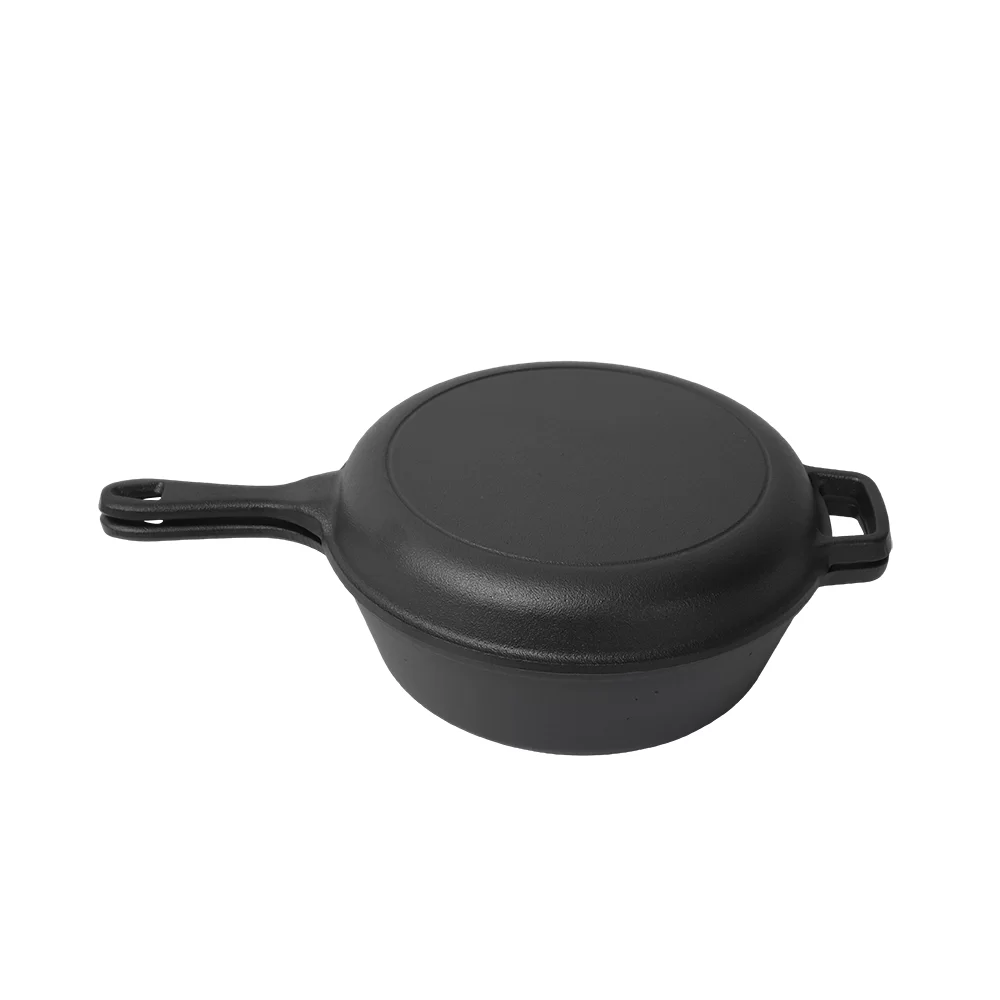
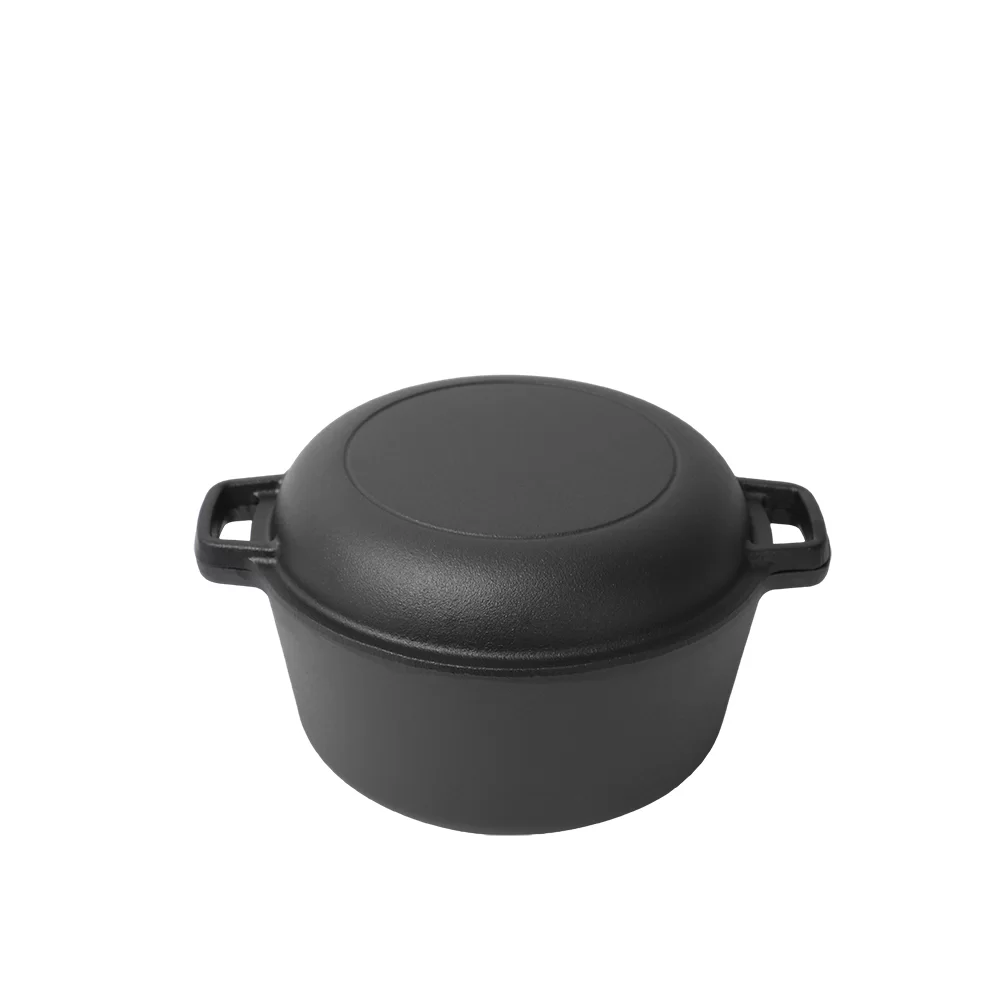
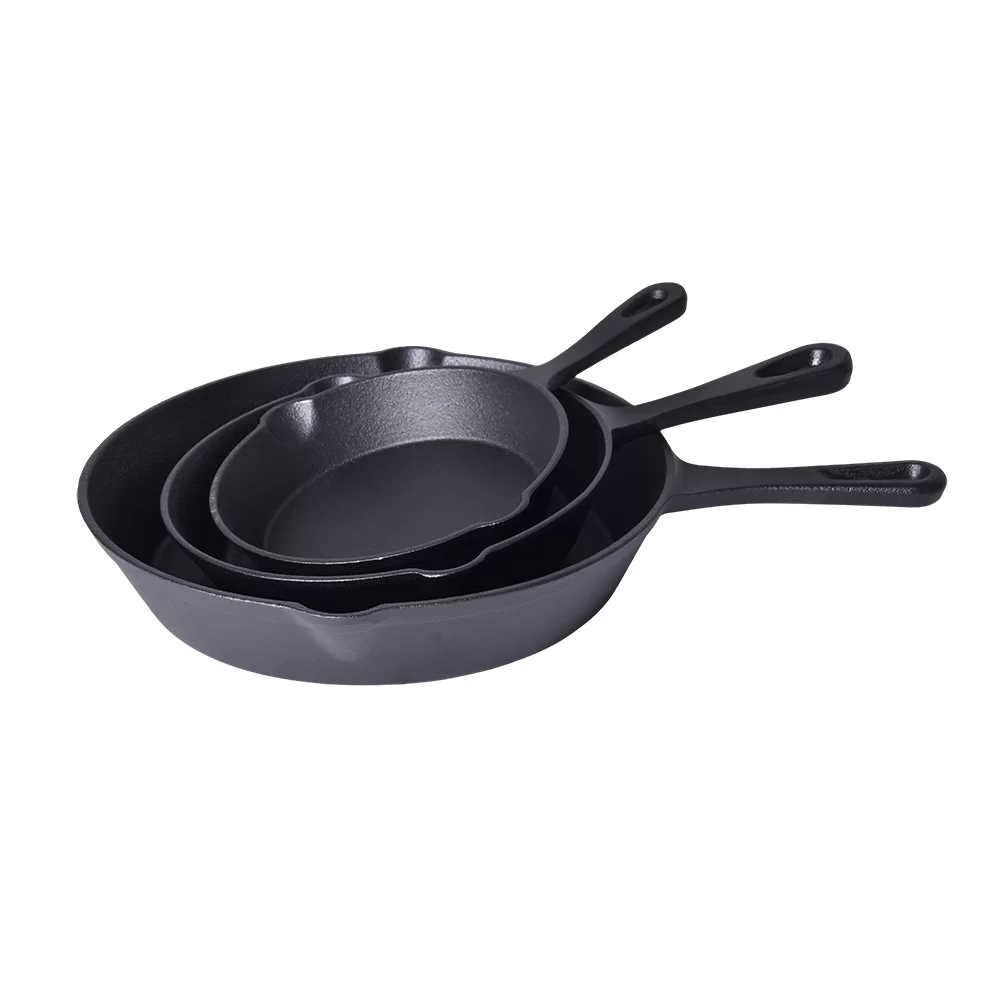
Simply put, a covered cast iron bread pan is a heavy-duty baking vessel made of cast iron, typically featuring a snug-fitting lid. The pan’s thick walls provide even heat distribution, while the cover traps steam, helping develop a crispy crust with a soft, airy crumb inside. It’s kind of like having a miniature bread oven in your kitchen. Beyond baking, the pan’s design lends itself to slow roasting, braising, and other heat-intensive cooking methods.
In modern contexts, this pan bridges traditional craftsmanship with contemporary cooking trends. It serves humanitarian and industrial kitchens well, thanks to its robustness and ease of cleaning compared to other materials. For humanitarian relief kitchens or community centers aiming for consistent bread production without electricity overload or disposable waste, such cookware is a valuable asset.
Key Factors of Covered Cast Iron Bread Pans
Durability
Cast iron is well-known for its longevity. Unlike thin aluminum or glass pans, a cast iron bread pan can last decades—often becoming family heirlooms. The hard finish resists warping and scratching, especially when properly cared for.
Heat Retention & Distribution
The pan’s dense material allows it to hold heat steadily, baking bread more evenly than most metal or ceramic pans. This uniform heat means fewer burnt spots and better texture.
Moisture Retention (The Lid Factor)
The cover locks in steam generated during baking, which helps the dough expand and forms that characteristic crispy crust with a soft interior—something many bakers rave about.
Seasoning & Non-Stick Qualities
While all cast iron requires seasoning, these pans often come pre-seasoned. With use, they develop a natural, chemical-free non-stick surface, so your bread releases easily.
Versatility
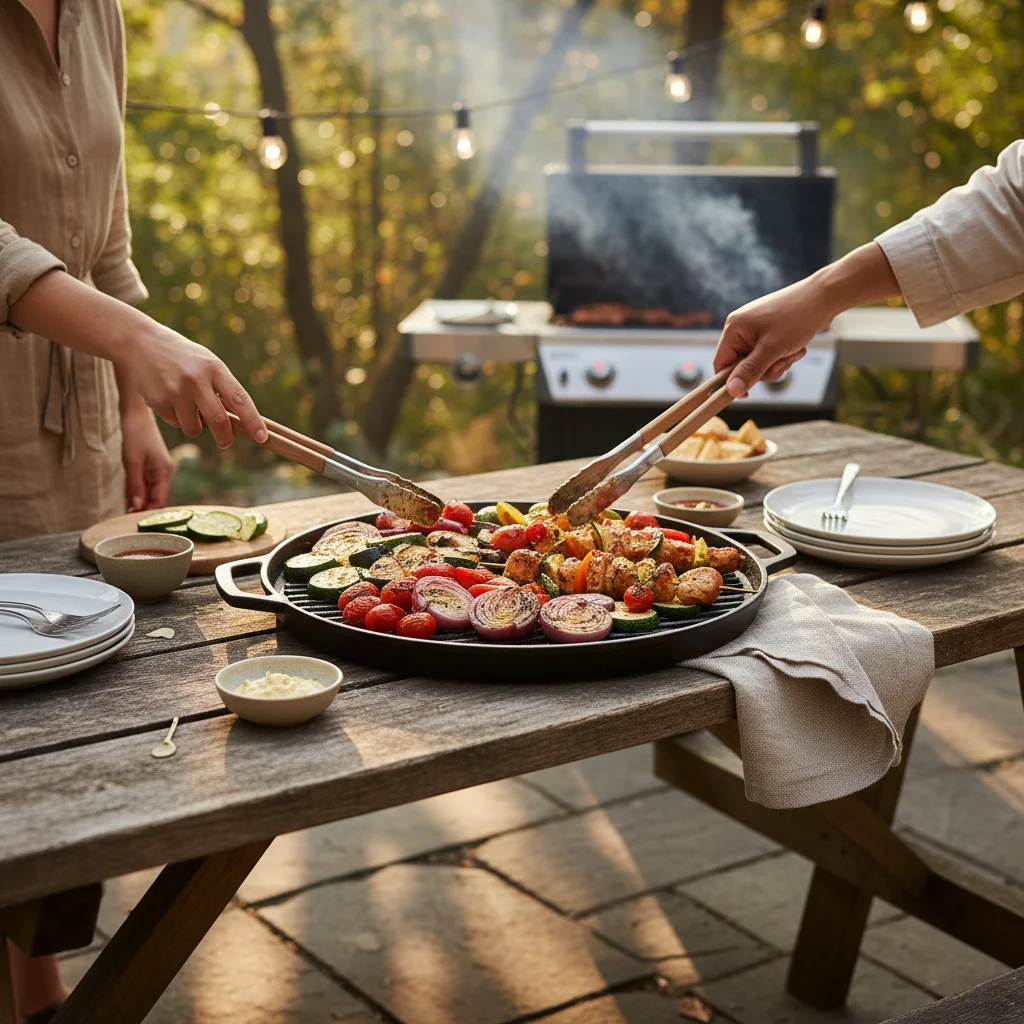
A covered cast iron bread pan isn’t just for bread. It also works great for casseroles, slow cooking, and crisping dishes in ovens or on stovetops.
Product Specifications at a Glance
| Feature | Description |
|---|---|
| Material | Cast Iron (Pre-Seasoned) |
| Dimensions | 9" L × 5" W × 4" H (with lid) |
| Weight | Approx. 5 lbs |
| Finish | Matte Black Enamel Coating (optional) |
| Heat Source Compatibility | Oven, stovetop, induction |
Vendor Comparison: Popular Covered Cast Iron Bread Pans
| Brand | Price Range | Pre-Seasoned? | Customer Rating | Special Features |
|---|---|---|---|---|
| Kingway Cookwares | $40 - $55 | Yes | 4.7/5 | Durable enamel finish, lid with steam vents |
| Lodge | $45 - $60 | Yes | 4.8/5 | Classic black seasoning, wide availability |
| Staub | $150 - $200 | Yes | 4.9/5 | High-end enamel coating, color options |
Global Applications & Use Cases
Interestingly, covered cast iron bread pans find homes in a variety of places around the globe. In Europe, these pans are staples in artisanal bakeries, prized for the crust quality they produce. In North America and Australia, home bakers increasingly favor them during times of rising interest in traditional bread baking. Meanwhile, in parts of Asia and Africa, NGOs and community kitchens use them for communal bread baking to save energy and reduce waste. The durable and reusable nature of the pan fits particularly well with humanitarian relief efforts or off-grid communities where ovens run on limited fuel.
For example, in post-disaster relief situations, when conventional ovens are scarce or unreliable, a covered cast iron bread pan can be heated over open flames or gas stoves to produce nutritious, comforting bread without large infrastructural needs. That combination of simplicity and effectiveness means it’s a small but important part of larger cooking solutions.
Advantages & Long-Term Value
- Cost efficiency: While the initial investment is higher than disposable pans or simpler baking tins, a cast iron bread pan’s lifespan means it ultimately saves money and resources.
- Sustainability: Cast iron’s recyclability and reusability trump single-use cookware, aligning with global pushes toward greener kitchenware.
- Superior quality: Knocking on the crust of a loaf baked in one of these feels distinctly satisfying. The crust is crisp without being burnt, the crumb moist and light.
- Social impact: Helping small bakeries and community kitchens thrive with reliable tools impacts local economies and food security.
Future Trends & Innovations
Cast iron cookware isn’t standing still. Innovations include new enamel coatings that improve durability and reduce maintenance effort, plus smart cookware that integrates temperature sensors. Some manufacturers, including industry leaders, are experimenting with eco-conscious patterns in mining and manufacturing cast iron to lower carbon footprints.
Digital transformation means that even cookware is becoming part of “smart kitchens,” where baking profiles can be linked to apps — although a covered cast iron bread pan remains fundamentally analog, it benefits from these trends because consistent heat distribution matches the precision baking many modern recipes require.
Challenges & Solutions
Who hasn’t struggled with cleaning cast iron? The need to properly season and maintain it can be a hurdle for novices. Also, the weight of a cast iron pan is something to consider; not everyone finds a 5-pound pan easy to handle daily. Nevertheless, most experts recommend seasoning tutorials and care guides that demystify upkeep.
One smart workaround is buying enamel-coated versions, which retain many heat properties but open doors for easier cleaning. For weight, smaller sizes or pans with ergonomic handles alleviate strain.
FAQ: Frequently Asked Questions About Covered Cast Iron Bread Pans
- Q: How do I season my covered cast iron bread pan?
- A: Most pans come pre-seasoned, but you can refresh seasoning by coating a thin layer of vegetable oil and baking it at 350°F for an hour. This creates a natural non-stick surface essential for bread release.
- Q: Can I use my bread pan on the stovetop?
- A: Yes, most covered cast iron bread pans are versatile enough for stovetop use, especially for slow cooking or searing. Just avoid drastic temperature changes to prevent cracking.
- Q: Does the lid have to be on all the time during baking?
- A: It depends on your recipe. Typically, the lid helps trap steam to develop the crust, but removing it near the end of baking can create a crunchier crust.
- Q: How do covered cast iron bread pans compare to ceramic bread pans?
- A: Cast iron offers better heat retention and longevity, while ceramic pans are lighter and often easier to clean but more fragile.
Conclusion: Why Invest in a Covered Cast Iron Bread Pan?
Ultimately, the covered cast iron bread pan is more than just a baking tool—it’s an investment in quality, sustainability, and culinary heritage. It’s the kind of cookware that you keep for life, passed down across generations, used for everything from simple loaves to hearty braises. Whether you’re a home baker, artisan chef, or community kitchen manager, it’s hard to overstate the utility and charm of these pans.
If you’re curious and want a trustworthy option, check out covered cast iron bread pan selections from reputable suppliers who prioritize quality and tradition.
In real terms, investing in good cookware like this is investing in better food, fewer replacements, and an enjoyable baking experience — now and for decades to come.
Mini takeaway: Covered cast iron bread pans combine timeless materials and design with modern cooking needs, offering durability, baking excellence, and sustainability that few other pans can match.
References