Cornbread Stick Pan: Essential Guide for Bakers & Kitchen Enthusiasts
Unlocking the Magic of the Cornbread Stick Pan: A Kitchen Essential
When you think of cornbread, chances are a warm, hearty slice pops into mind, often served alongside chili or barbecue. But have you ever noticed those quaint, golden, finger-sized cornbread sticks? These delightful treats wouldn’t exist without the humble cornbread stick pan. This specialized bakeware is something many home cooks and professional chefs alike swear by, bringing a unique shape and texture that a regular pan just can’t replicate.
Globally, cornbread enjoys a storied place in culinary traditions, especially in Southern U.S. cooking. However, with the expansion of gluten-free diets and culinary innovation, the cornbread stick pan has become even more relevant—offering a fun, portion-controlled way to enjoy cornbread’s comfort. Understanding this pan and what makes it great opens up new cooking avenues and reinforces how small tools can make a big difference in food culture worldwide.
Introduction: Global Relevance of the Cornbread Stick Pan
Did you know that corn is one of the world’s top staple crops? According to the Food and Agriculture Organization (FAO), global corn production surpassed 1.2 billion tons in recent years. Bread and baked goods from cornmeal are staples in many cultures, but the shape, size, and texture vary greatly. That’s where the cornbread stick pan plays a niche role. It helps craft a specific traditional experience that is both loved and versatile.
The challenge many bakers face is achieving uniformity and the right crispy crust while maintaining a tender interior. A good stick pan ensures even heat distribution, shaping, and the characteristic golden edges—something that typical sheet pans can’t deliver. This need has led to multiple product innovations and rising global demand for specialized bakeware optimized for regional recipes.
What Exactly Is a Cornbread Stick Pan?
Simply put, a cornbread stick pan is a metal baking tray with elongated, narrow cavities shaped like finger sticks. Each cavity typically holds dough that bakes into individual cornbread sticks. Many versions have six to twelve cavities, allowing quick batch baking while creating the signature crunchy exterior and soft interior.
Beyond traditional Southern cornbread, these pans find use in modern gastronomy, catering, and even school lunch programs where portion control and appealing shape matter. The pan’s design caters not just to taste but also presentation, which is critical in the foodservice marketplace.
Key Aspects of the Cornbread Stick Pan
1. Material and Durability
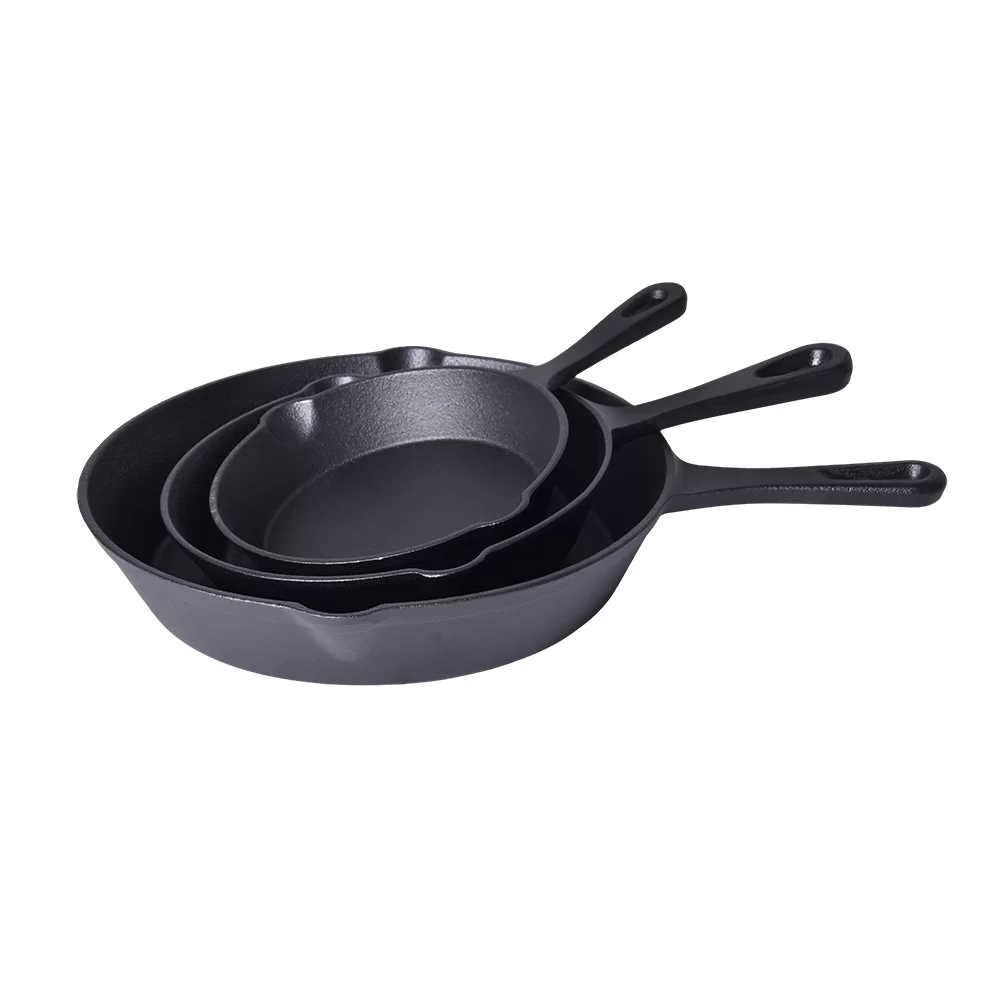
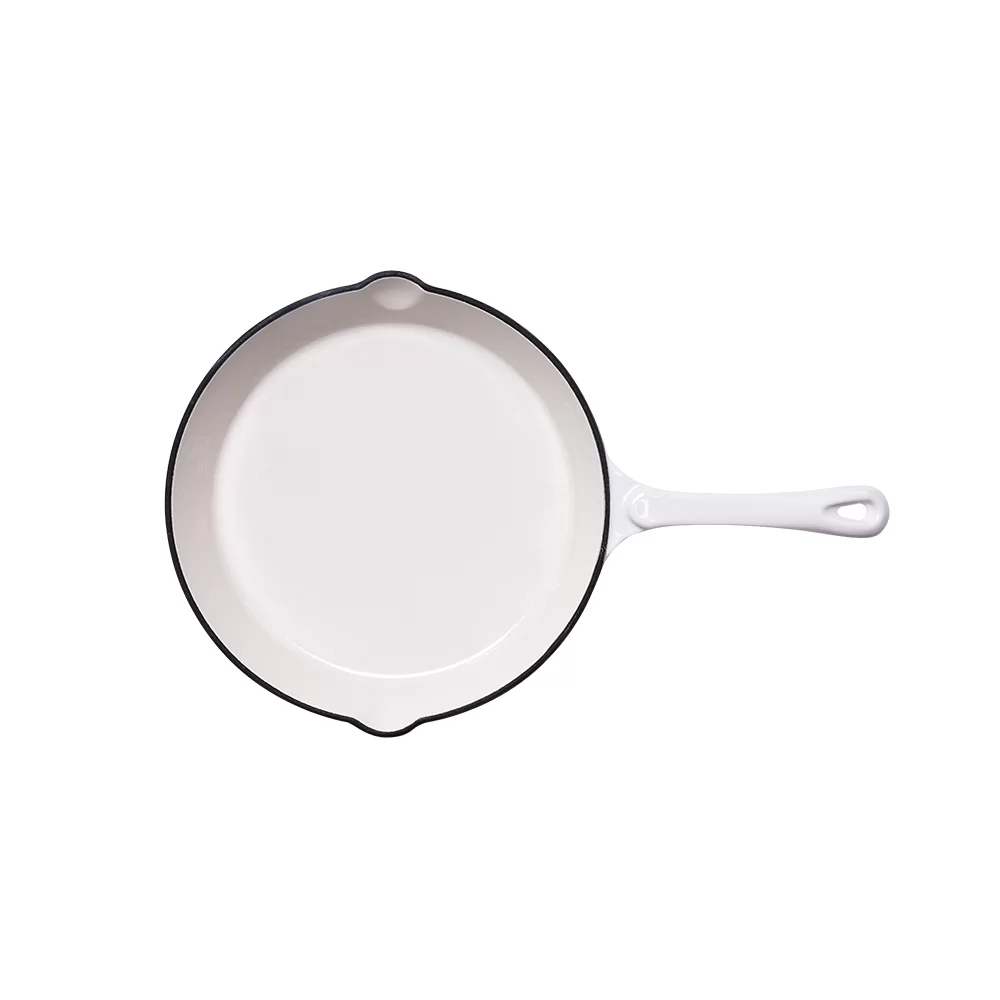
Most pans are made of cast iron or carbon steel, prized for their heat retention and durability. Porcelain-coated varieties also exist for easier cleaning and rust resistance. The pan’s longevity directly influences consistency in baking results — many chefs prefer seasoned cast iron for the natural non-stick surface it develops.
2. Nonstick Coating
Whether Teflon, ceramic, or seasoned cast iron, the coating impacts release ease. A poor coating can ruin the perfect stick shape if the cornbread clings or breaks during removal.
3. Capacity and Size
Most pans come with 6 to 12 stick compartments. Smaller pans provide quicker cooking and better heat control, whereas larger pans suit commercial kitchens needing volume.
4. Heat Distribution
Uniform baking depends on even heating. Heavy-gauge metals usually deliver consistent results, minimizing underbaked centers or burnt edges.
Typical Specifications of Popular Cornbread Stick Pans
| Feature | Cast Iron Pan | Carbon Steel Pan | Porcelain-Coated Steel |
|---|---|---|---|
| Material | Cast Iron | Carbon Steel | Steel with Porcelain Coating |
| Size | 12 sticks per pan | 6 sticks per pan | 8 sticks per pan |
| Coating | Seasoned natural surface | Nonstick (PTFE) | Porcelain enamel |
| Weight | 3.5 lbs | 2 lbs | 2.8 lbs |
| Care | Dry thoroughly to avoid rust | Dishwasher safe | Hand wash recommended |
Comparing Popular Cornbread Stick Pan Vendors
| Brand | Material | Price Range (USD) | Nonstick Quality | Best For |
|---|---|---|---|---|
| Lodge | Cast Iron | 25 - 35 | Seasoned surface, improving with use | Durability, traditional baking |
| Chicago Metallic | Carbon Steel | 15 - 25 | PTFE nonstick coating | Easy release, frequent cleaning |
| Wilton | Steel with Porcelain | 20 - 30 | Durable enamel coating | Aesthetic and easy upkeep |
Global Applications & Use Cases of the Cornbread Stick Pan
While the cornbread stick pan is rooted in American Southern cookery, its reach has broadened. In Latin America, finger-shaped corn cakes are popular, and pans with similar profiles are utilized. Worldwide, schools and catering firms use these pans to provide portion-controlled servings, making nutritional planning easier.
Oddly enough, some humanitarian food programs have explored finger-sized cornbread sticks as a rapid, energy-efficient dish to distribute in food aid because the pans support quick baking with minimal ingredients—ideal for large group feeding where consistency and transport ease are priorities.
Advantages & Long-Term Value
- Consistency: Produces uniform portion sizes helping with dietary control.
- Durability: Cast iron pans can last decades with proper care.
- Sustainability: Many pans reduce waste enabling reusable cookware.
- Emotional Satisfaction: Evokes nostalgia and culinary tradition.
- Innovation Potential: Versatile beyond cornbread—perfect for other batter-based treats.
There’s a certain trust built around a well-seasoned cast iron cornbread stick pan. It’s like handed-down family recipes — the tool becomes part of the legacy.
Emerging Trends & Innovations
Modern pan makers are experimenting with eco-friendly nonstick coatings that avoid PTFE and PFOA chemicals, responding to increasing consumer demand for safer materials. There’s also a move toward digital temperature-sensitive coatings that subtly change color to signal perfect baking readiness, which frankly sounds pretty revolutionary for home cooks.
Automation in commercial kitchens sometimes leverages machine-pressed cornbread sticks — yet pans remain vital as artisanal and small-scale solutions.
Challenges & Expert Solutions
Seasoning cast iron can be intimidating for novices, and cleaning porcelain-coated pans without damaging the surface is a delicate task. Many users struggle with sticking or uneven browning when the pan quality is poor or when baking temperatures fluctuate.
Experts recommend seasoning cast iron with flaxseed oil for a durable coating and always preheating pans to promote even cooking. For carbon steel, hand washing and drying immediately prevents rust. Experimentation with batter moisture content also helps — drier batters crisp better and release easier.
FAQ: Frequently Asked Questions About Cornbread Stick Pans
- Q: What kind of oil should I use to season my cast iron cornbread stick pan?
A: Flaxseed oil is often recommended because it polymerizes into a hard, smooth coating. Vegetable oil or shortening can also work. Season multiple layers for the best nonstick surface. - Q: Can I use a cornbread stick pan for other recipes?
A: Absolutely! These pans are great for mini muffins, shaped pancakes, jalapeño poppers, and even meatloaf sticks. Their versatile size lends well to many creative dishes. - Q: Is a carbon steel pan better than cast iron for beginners?
A: Carbon steel heats quickly and is lighter, which some prefer. It usually has a protective nonstick coating from factory, while cast iron requires seasoning. Both require similar care but carbon steel can be easier to maneuver initially. - Q: How long does it take to bake cornbread sticks?
A: Typically, 12–15 minutes at 375°F (190°C), but exact times depend on your oven and batter moisture. Keep an eye for golden edges and a toothpick test to confirm doneness. - Q: Where can I buy quality cornbread stick pans?
A: Specialty kitchenware stores, online marketplaces, and of course, vendors like Kingway Cookwares offer a range of options for all budgets and preferences.
Conclusion & Call to Action
In real terms, a cornbread stick pan is more than just a baking tool—it's a connector to tradition, a facilitator of new culinary adventures, and a practical solution for uniform, delicious cornbread portions. Its presence in kitchens, both casual and professional, helps sustain cultural recipes while adapting to modern needs.
If you’re curious to explore the best cornbread stick pans or want to upgrade your baking gear, do visit our website. There you’ll find expert advice, high-quality cookware, and plenty of inspiration for your next kitchen experiment.
Happy baking!
Mini takeaway: Whether you’re a seasoned chef or a home cook, the right cornbread stick pan can elevate your baking game, connecting history with innovation every time you use it.
References:
1. Food and Agriculture Organization (FAO) statistics on corn production (https://www.fao.org/faostat/en/#data/QCL)
2. Wikipedia on Cast Iron Cookware (https://en.wikipedia.org/wiki/Cast-iron_cookware)
3. Environmental Working Group on nonstick pans (https://www.ewg.org/research/greener-products/nonstick-cookware)