Durable & Efficient Cast Iron Pan for Roti – Tradition Meets Innovation
Why the Cast Iron Pan for Roti Deserves a Spot in Every Kitchen
When you think of a cast iron pan for roti, you might just imagine a simple kitchen utensil. But believe it or not, this humble cookware has traveled through centuries and continents, shaping not just meals but cultures and industries too. Roti—flatbreads beloved across South Asia and increasingly worldwide—demands a particular type of pan for its perfect cook, and cast iron fits the bill like no other.
Understanding why the cast iron pan for roti matters isn't just a chef's curiosity; it connects us to global culinary traditions, sustainable cooking practices, and even humanitarian efforts where durable cookware plays a surprisingly important role.
The Worldwide Significance of the Cast Iron Pan for Roti
Flatbread is a staple for roughly 2 billion people globally, ranging from South Asia to parts of Africa and the Middle East (UN Food and Agriculture Organization data shows staple grains like wheat and millets dominate diets in these areas). Having the right cookware enhances food safety, nutritional retention, and cooking efficiency—all key for communities where resource management is critical.
Oddly enough, cast iron pans have witnessed a resurgence not just in home kitchens but in humanitarian supply chains. Durable, repairable, and capable of even heat retention, these pans provide cost-effective cookware in disaster relief and remote community projects worldwide.
Yet challenges remain: many cast iron options on the market aren't optimized for roti's quick cooking needs, leading to uneven results or safety concerns if the pan’s surface isn’t properly seasoned.
What Exactly is a Cast Iron Pan for Roti?
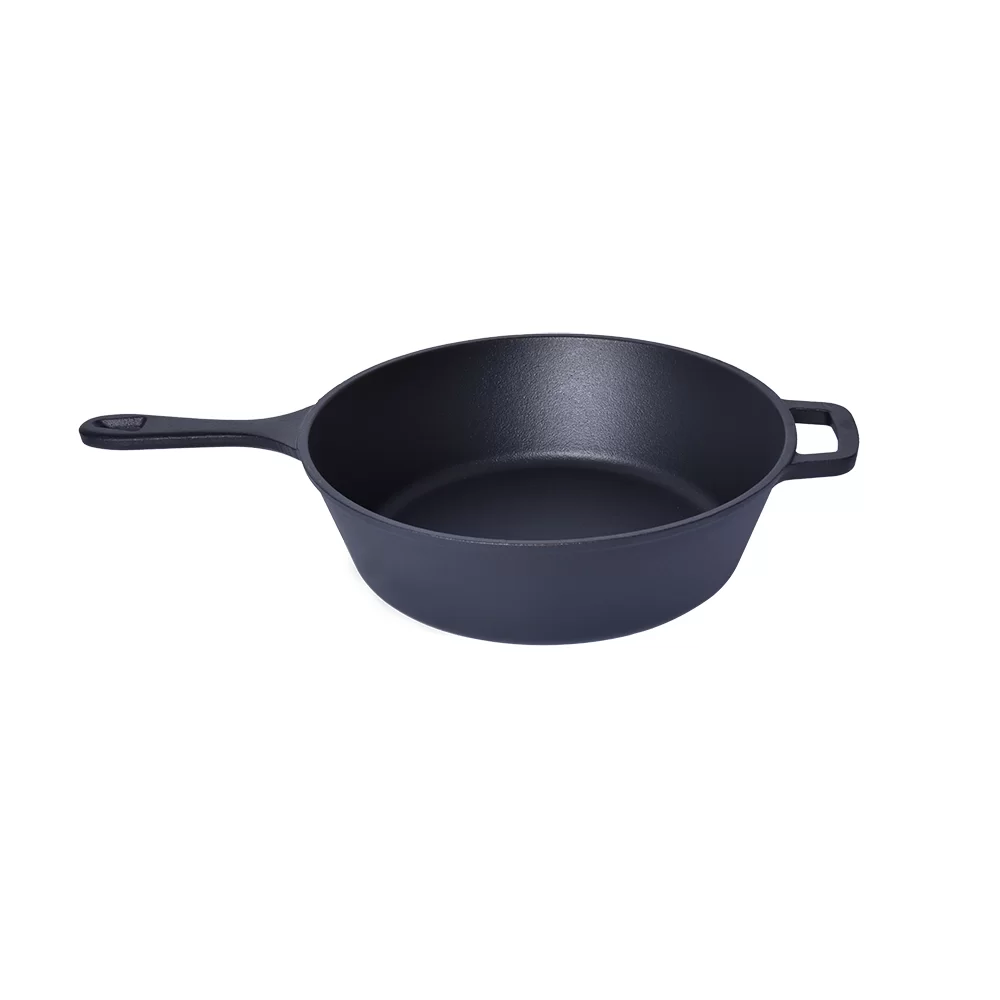
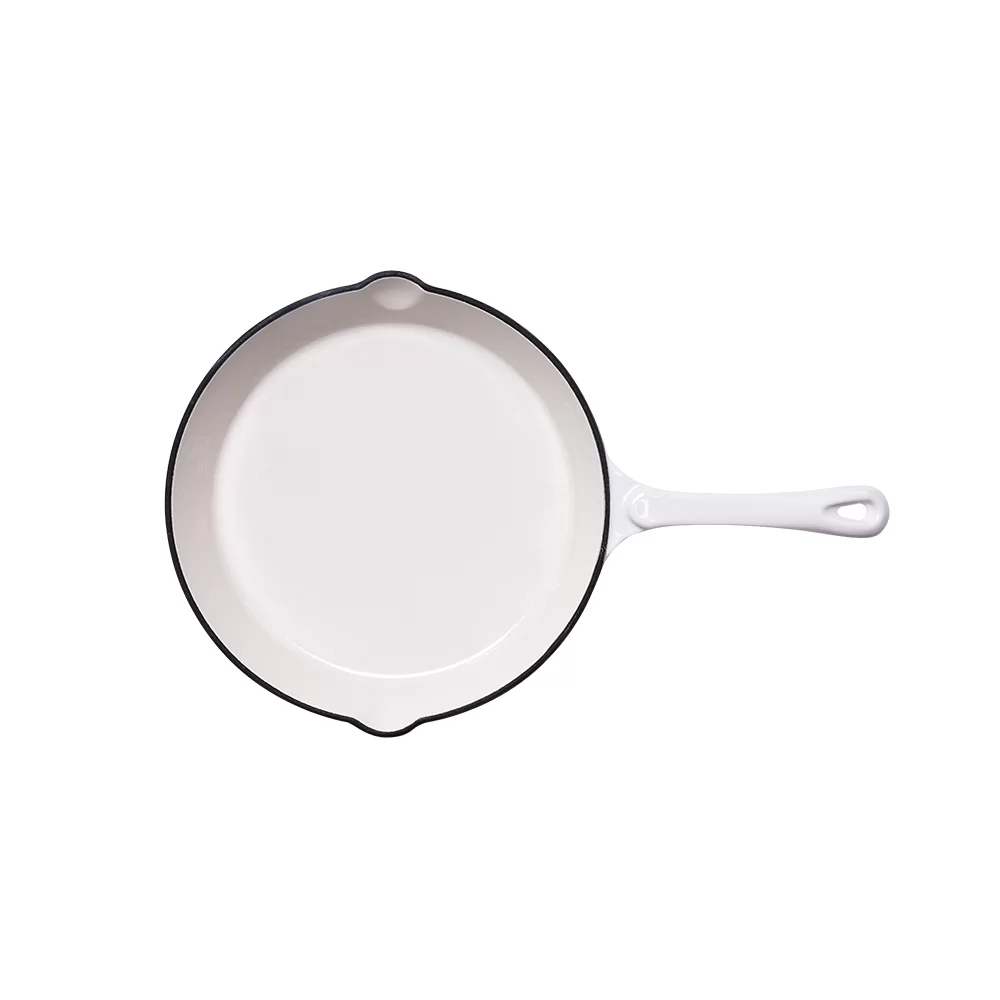
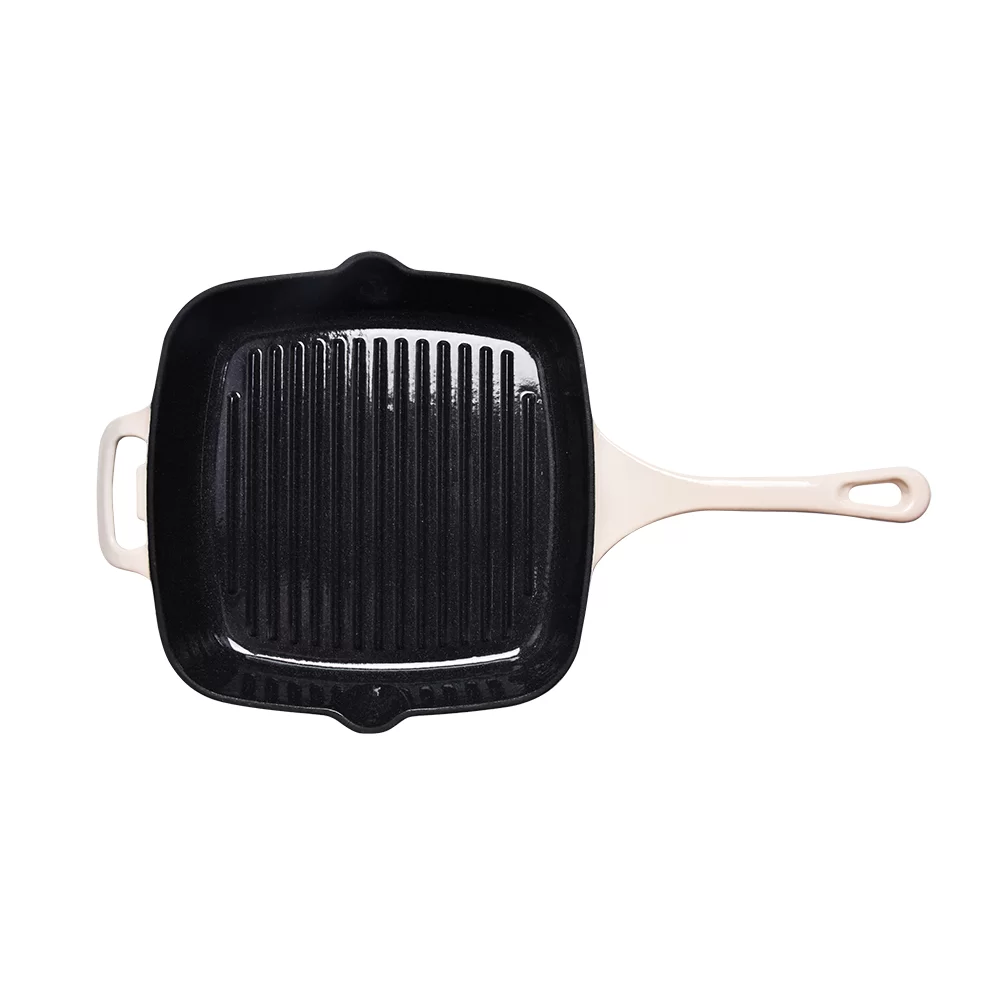
Simply put, a cast iron pan for roti is a heavy, flat skillet made from cast iron specifically designed to cook flatbreads quickly and evenly. Unlike generic frying pans, these are typically thinner but retain heat superbly, adapting to the high temperature demands of roasting and cooking dough.
From a technical standpoint, cast iron offers unmatched thermal mass and heat distribution compared to most other materials. In terms of modern use, it means better fuel efficiency for cooking, which can be critical in energy-scarce regions.
Core Features That Make a Cast Iron Pan for Roti Essential
1. Durability and Longevity
Cast iron pans last for decades—sometimes generations—as they resist warping and damage that affect aluminum or steel pans. This attribute isn’t just about kitchen longevity; it minimizes waste and replacement costs, crucial for low-income regions.
2. Superior Heat Distribution and Retention
The even heating of cast iron ensures roti cooks uniformly, avoiding burnt spots or undercooked dough. Once hot, the pan maintains that temperature for long, which means faster cooking with less fuel. That efficiency is a minor miracle in places where every scrap of fuel counts.
3. Seasoning and Non-Stick Qualities
Properly seasoned cast iron pans develop a natural non-stick layer that improves with use—no chemicals, no synthetic coatings, just pure culinary chemistry at work.
4. Versatility
Beyond roti, these pans serve well for other flatbreads, vegetables, and even shallow frying. This flexibility adds value for users with limited cookware.
5. Environmental Impact
Made primarily from iron, these pans are recyclable and reduce reliance on electric-powered non-stick options, which often have shorter lifespans and pose disposal challenges.
Real-World Applications of Cast Iron Pans for Roti
In rural India or Pakistan, small-scale vendors and households alike rely on these pans daily. NGOs working in refugee camps across Africa have standardized cast iron pans for community kitchens—they withstand heavy use and clean easily, marking a notable improvement over alternatives.
Interestingly, urban hipster cafes in the West have also rediscovered cast iron pans to craft authentic flatbreads, adding a sort of cultural loop-back that highlights craftsmanship and tradition.
Mini Takeaway:
- Cast iron pans balance tradition and practicality.
- They save fuel, last longer, and contribute to sustainability goals.
- Understanding their features helps consumers make smarter choices.
All About the Numbers: Cast Iron Pan for Roti Specifications
| Feature | Typical Specification | Why It Matters |
|---|---|---|
| Diameter | 10–12 inches (25–30 cm) | Ideal size for individual roti or similar flatbreads |
| Weight | 1.5–2.5 kg | Heavy enough for heat retention, light enough for manual handling |
| Thickness | 3–5 mm | Thinner than most cast iron skillets but thick enough for even heat |
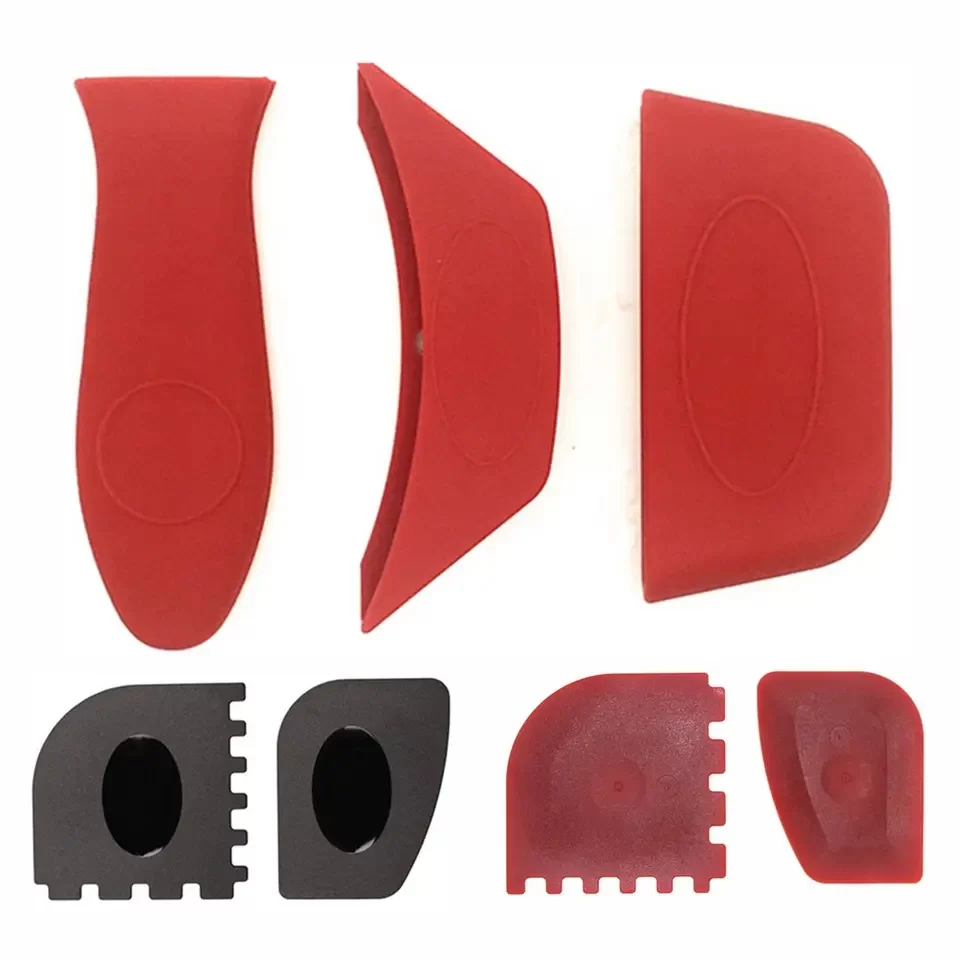
| Handle | Cast iron with optional silicone cover | Safe grip during cooking on open flame or gas |
| Surface finish | Pre-seasoned or raw (seasoning required) | Non-stick after seasoning, reduces sticking typical of dough |
Vendor Overview: Popular Cast Iron Pan for Roti Brands
| Brand | Material Quality | Pre-seasoned | Price Range (USD) | Unique Feature |
|---|---|---|---|---|
| Kingway Cookwares | Premium cast iron (high carbon) | Yes | $25–35 | Lightweight yet durable design; ergonomic handle |
| Lava Rock | Cast iron with enamel coating | No | $30–40 | Easy cleaning, dishwasher safe |
| Stovetop Classics | Standard cast iron | Partial | $20–30 | Budget-friendly, wide availability |
The Big Plus: Advantages & Long-Term Benefits of Cast Iron Pans for Roti
Cost-wise, a cast iron pan might seem more expensive upfront compared to aluminum or Teflon-coated pans, but over time its lifespan easily outlasts alternatives. Socially, in many regions, passing down a cast iron pan is almost a rite of passage — a connection between generations. Sustainability indeed plays a role here: fewer replacements mean less resource consumption and landfill waste.
I once heard from a relief worker that providing quality cookware like cast iron pans not only speeds up meal prep but also restores a sense of normalcy and dignity in affected communities. That’s the kind of soft power we don’t talk about often enough. It’s not just a pan; it’s trust and tradition in one.
Innovations on the Horizon for Cast Iron Cookware
The future brings some exciting twists. Manufacturers are experimenting with lighter cast iron alloys to reduce weight without sacrificing heat retention. Some vendors are integrating digital temperature sensors embedded subtly in pans—perfect for modern kitchens craving precision.
Sustainability-focused initiatives are pushing for local recycling programs for cast iron scrap, and there’s chatter about solar-powered seasoning techniques to reduce energy usage during manufacturing.
Imagine a cast iron pan for roti that self-optimizes its seasoning — and then there’s the potential for 3D-printed components enhancing ergonomics. It’s a fascinating blend of old and new.
Challenges You Might Face and How to Navigate Them
The biggest hurdle? Weight. Cast iron is heavy, and users unfamiliar with its care might struggle with the seasoning or worry about rust. But experts agree that educating users—through accessible guides or community workshops—makes a world of difference.
Also, uneven heating on some lower-quality pans can mar results. Investing in a trusted brand like Kingway Cookwares or encouraging quality certifications can help address these issues.
FAQ: Practical Questions About Cast Iron Pan for Roti
- Q: How do I season my cast iron pan for roti effectively?
A: Clean the pan thoroughly, dry it completely, and coat it with a thin layer of cooking oil (flaxseed or vegetable oil are popular). Heat it upside down in an oven at 450°F for about an hour. Repeat several times. This creates a natural, durable non-stick surface. - Q: Can I use cast iron pans on induction cooktops?
A: Absolutely. Cast iron works very well with induction due to its magnetic properties. Keep in mind it heats unevenly if the pan isn’t perfectly flat, so check that before purchase. - Q: Are cast iron pans safe to use for all kinds of food?
A: Yes, cast iron is versatile and safe. However, highly acidic foods (like tomatoes) can break down seasoning temporarily, so avoid prolonged cooking with them unless your pan is very well seasoned. - Q: How do I clean my cast iron pan without damaging it?
A: Use warm water and a soft brush; avoid soap or harsh detergents if possible. Dry immediately to prevent rust. For stuck-on bits, scrub with coarse salt and re-season as needed.
Wrapping Up: Why Investing in the Right Cast Iron Pan for Roti is Worth It
Looking at the big picture, a cast iron pan for roti isn’t just kitchen equipment—it’s a small but mighty tool that saves fuel, lasts for ages, and upholds culinary traditions while helping communities worldwide. Whether you’re cooking family meals or helping in far-flung aid operations, these pans deliver unmatched value.
So next time you’re hunting for cookware that combines cost-effectiveness with long-term sustainability, a cast iron pan for roti might just be the subtle powerhouse you never thought you needed.
Ready to make a smart, lasting choice? Visit our website: Kingway Cookwares
References