Durable & Sustainable Cast Iron Cornbread Muffin Pan for Perfect Baking
Understanding the Cast Iron Cornbread Muffin Pan: A Kitchen Essential with Global Appeal
So, what exactly is a cast iron cornbread muffin pan and why does it matter on a global scale? At first glance, it might sound like just another kitchen gadget — but it’s so much more. Cast iron bakeware has been a staple of home cooking for centuries, valued for its durability, heat retention, and the unique flavor it imparts on recipes. The cornbread muffin pan is a traditional American kitchen tool, but its importance has quietly expanded worldwide. From rustic kitchens in the southern United States to emerging culinary scenes across Europe and Asia, the tool bridges cultures and cuisines, offering a reliable, efficient way to bake cornbread muffins and other dishes.
More than just a niche baking pan, the cast iron cornbread muffin pan embodies principles relevant to industries focused on sustainability, efficiency, and food security — themes on the rise globally as populations increase and resource-consciousness grows. Understanding this humble pan’s design and application offers insights into how traditional cookware supports modern culinary and humanitarian needs including durability for mobile kitchens, minimal energy use, and even nutrition retention.
Mini takeaway: The cast iron cornbread muffin pan combines practicality, tradition, and sustainability, proving itself invaluable far beyond its original culinary niche.
Global Context: Why the Cast Iron Cornbread Muffin Pan Still Counts
Globally, food preparation tools influence how people cook, what they can cook, and even how much food they waste. According to the Food and Agriculture Organization (FAO), roughly a third of all food produced is lost or wasted. Efficient cookware like cast iron pans can contribute to reducing waste by ensuring even cooking and longer-lasting kitchenware. Interestingly, the global cast iron cookware market shows steady growth, expected to reach several hundred million dollars by 2028 — driven largely by rising interest in sustainable, reusable utensils.
Many rural areas, especially in developing countries, still rely on cast iron cookware for its ruggedness. The challenge? Most bakeware doesn’t endure rough handling or uneven heat sources, leading to breakage or poor cooking results. The cast iron cornbread muffin pan, with its robustness and reliable heat distribution, addresses these practical issues, improving food quality for families and relief organizations alike.
Mini takeaway: Despite its vintage appeal, the cast iron cornbread muffin pan meets modern demands for durability, efficiency, and waste reduction on a global stage.
What Exactly Is a Cast Iron Cornbread Muffin Pan?
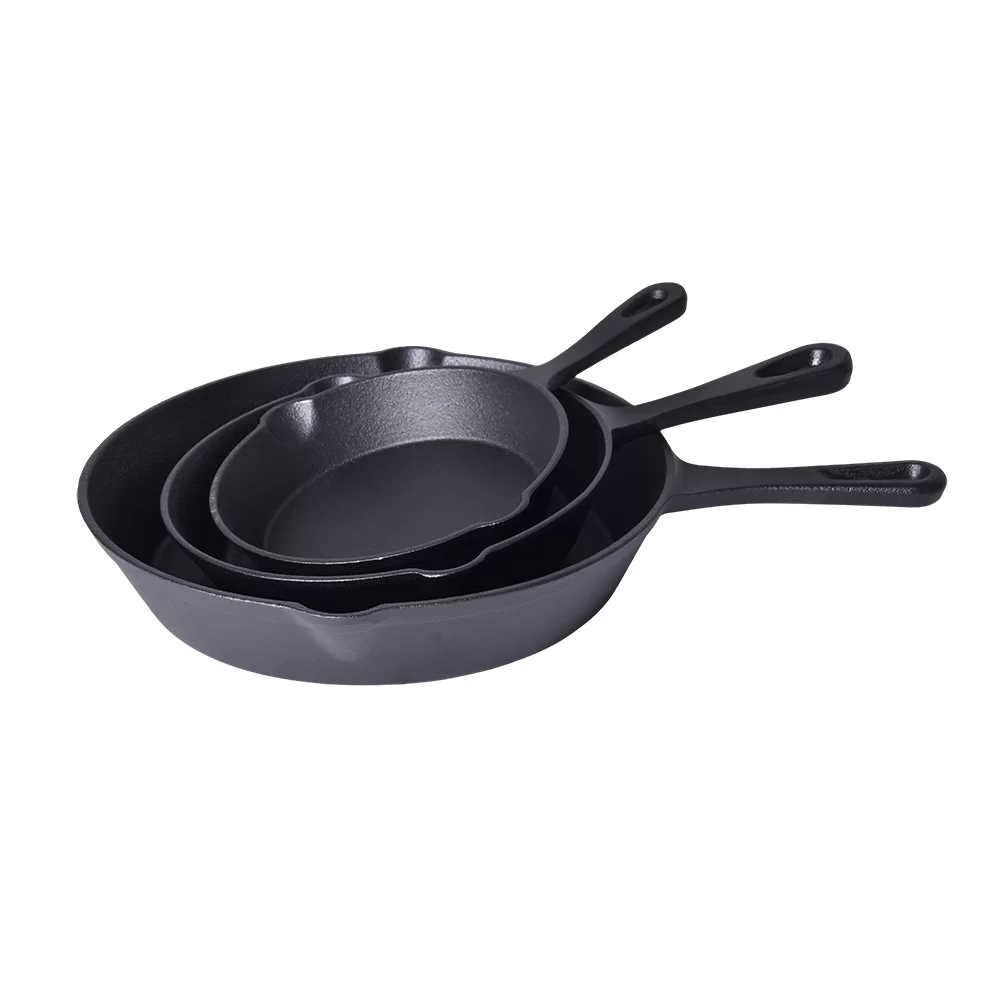
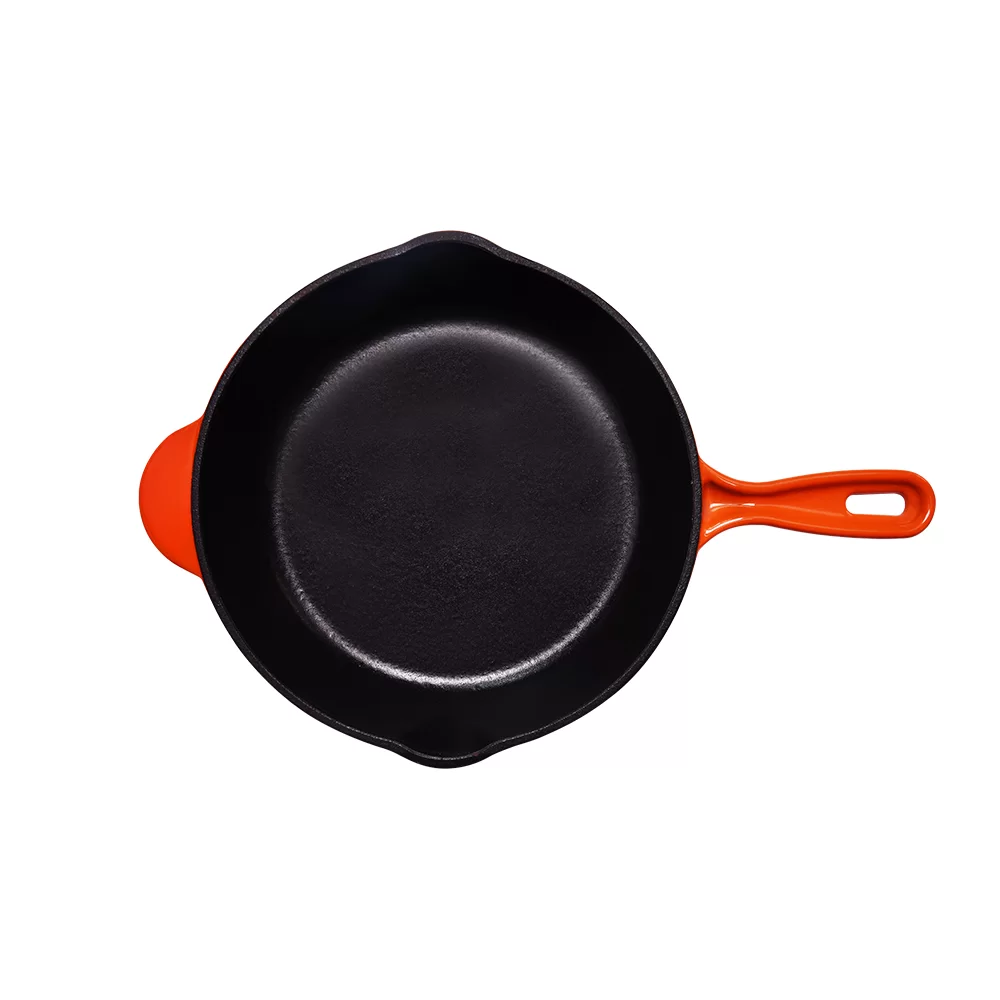
If you picture a regular muffin pan but made of hefty, black metal that’s been lovingly seasoned over time, you’re halfway there. Simply put, a cast iron cornbread muffin pan is a baking pan divided into multiple cup-shaped cavities, designed specifically for baking cornbread in smaller, easier-to-share portions. Made from cast iron, it boasts excellent heat retention, imparting a crispy, golden crust that’s revolutionary if you’re used to flimsy aluminum pans.
Its use stretches beyond just the kitchen. In scenarios ranging from mobile food trucks to disaster relief kitchens, these pans provide a stable, reusable tool that ovens and fires can heat evenly and safely. They also support sustainable cooking by lasting generations if cared for properly — unlike disposable aluminum alternatives that flood global waste streams.
Mini takeaway: More than a bakeware item, it’s a durable, multipurpose kitchen tool helping bridge traditional culinary techniques and modern sustainability needs.
Core Aspects of the Cast Iron Cornbread Muffin Pan
Durability That Stands the Test of Time
Cast iron pans can survive decades — sometimes even a century — with proper seasoning and care. Unlike cheap bakeware that warps or cracks, cast iron endures intense heat cycling and rough handling. This toughness means less frequent replacement, saving both money and environmental resources.
Excellent Heat Retention & Even Cooking
One of cast iron’s standout traits is its ability to hold heat and distribute it evenly. In baking cornbread muffins, this means each mini-muffin has a perfect crust and moist interior — a tricky balance when using lightweight pans that cook unevenly.
Natural Non-Stick Surface Through Seasoning
Properly seasoned, the pan develops a naturally non-stick surface from layers of polymerized oil. This reduces the need for synthetic coatings, making the pan food-safe and eco-friendlier. Seasoning must be maintained but is part of the ritual many home cooks swear by.
Cost Efficiency Over Time
Though pricier upfront compared to disposable or thin aluminum pans, the cast iron cornbread muffin pan’s longevity and performance offer substantial cost savings over time. Families, restaurants, and aid groups appreciate its “buy once, use forever” model, especially in resource-limited settings.
Versatility in Various Cooking Environments
From traditional home ovens to open flames or camping stoves, cast iron pans adapt well. This multipurpose use means one pan can handle a variety of recipes — beyond cornbread muffins — including mini frittatas, meatloaf cups, or baked desserts.
Mini takeaway: The pan’s ability to combine resilience, cooking quality, and adaptability makes it a wise investment for diverse culinary needs.
Global Applications & Real-World Cases
In the American South, cornbread muffins are a nostalgic staple, but even beyond, the pan serves other cultural uses — baking bite-sized savory or sweet morsels adjusted for local palates. For instance, NGOs distributing food aid in disaster-affected zones often rely on cast iron pans because they can be used over campfires or portable stoves, providing consistent results despite challenging conditions.
In remote communities in Africa and Asia, traditional cast iron cookware is prized for tough conditions. The cast iron cornbread muffin pan has found growing adoption as a tool to promote small-scale bakery entrepreneurship — enabling women-led businesses to bake and sell individual bread servings without expensive or fragile bakeware.
Educational food programs in sustainability-focused schools incorporate these pans to teach about traditional cooking methods, materials science, and resource management — turning a simple item into a teaching aid.
Mini takeaway: From relief kitchens to small businesses to classrooms, this pan transcends culture and function, demonstrating universal value.
Advantages & Long-Term Value of Cast Iron Cornbread Muffin Pans
- Economic Sustainability: Long-lasting cookware cuts replacement costs and waste.
- Safe & Natural: Elimination of synthetic coatings promotes healthier cooking.
- Environmental Impact: Reduced disposable pan use lowers landfill burden.
- Community Empowerment: Supports entrepreneurship in underserved regions.
- Reliable Performance: Even cooking leads to predictable, high-quality results—this earns trust and repeat customers.
There's also an emotional benefit to boot. Using a pan passed across generations creates a sense of tradition, safety, and pride. It feels connected to family stories, heritage — and frankly, better food.
Looking Ahead: Trends & Innovations in Cast Iron Bakeware
While the classic pan design holds strong, manufacturers are experimenting with pre-seasoned finishes that last longer and resist rust better, reducing maintenance effort for users. Some companies integrate lightweight alloys to balance weight with durability without sacrificing heat properties.
From a sustainability viewpoint, there’s growing interest in local production using recycled iron and eco-conscious packaging to shrink the product’s carbon footprint. Digitally, smart kitchens might one day pair with sensor-equipped cast iron to better regulate baking temperatures — merging tradition with tech.
Challenges & Expert Solutions
Cast iron pans are heavy; for some users, especially the elderly or those with physical limitations, weight remains a barrier. However, ergonomic handle designs and hybrid material versions mitigate this. Seasoning upkeep can intimidate newcomers but clear tutorials and commercial pre-seasoned products help ease that learning curve.
Another hurdle is cost, which though justified long-term, can be hard to finance upfront in low-income regions. NGOs and co-ops sometimes offer micro-loans or bulk purchasing schemes to expand access.
Product Specification Table
| Feature | Details |
|---|---|
| Material | 100% Cast Iron |
| Number of Muffin Cavities | 6 or 12 |
| Pan Dimensions | 12" x 8" (typical for 12-cavity) |
| Weight | 4.5 - 7 lbs depending on size |
| Pre-seasoned | Most models come pre-seasoned |
| Oven Safe | Up to 500°F / 260°C |
Vendor Comparison Table
| Vendor | Price Range | Pre-seasoned | Warranty | Customer Rating (out of 5) |
|---|---|---|---|---|
| Kingway Cookwares | $35 - $55 | Yes | Limited Lifetime | 4.7 |
| Lodge Cast Iron | $40 - $60 | Yes | Limited Lifetime | 4.5 |
| Victoria Cast Iron | $30 - $50 | Pre-seasoning Optional | 1 Year | 4.2 |
Frequently Asked Questions About Cast Iron Cornbread Muffin Pans
1. How do I maintain the seasoning on a cast iron cornbread muffin pan?
Maintaining seasoning involves wiping the pan clean with a cloth or mild soap, drying it thoroughly, and applying a thin layer of cooking oil before storing. This layer polymerizes and protects the surface from rust, keeps it non-stick, and improves flavor over time. Seasoning should be refreshed periodically and after heavy cleaning.
2. Is a cast iron cornbread muffin pan suitable for use on stovetops or open flames?
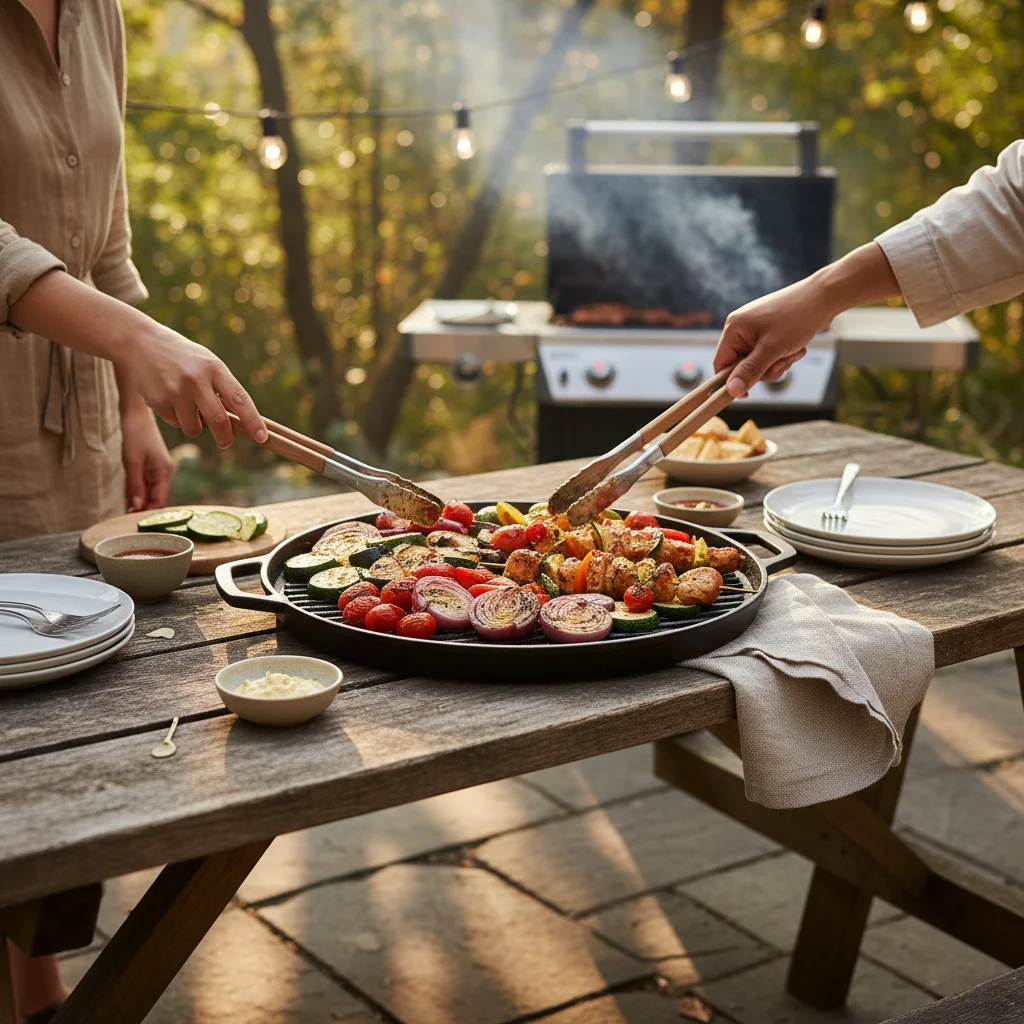
Absolutely. Cast iron cookware is designed to withstand direct heat from stovetops, grills, or even campfires. This versatility makes it popular for outdoor cooking. Just be cautious of the pan’s handle becoming very hot, and always use oven mitts or heat-resistant gloves.
3. Why choose a 6-cavity versus a 12-cavity cast iron cornbread muffin pan?
The choice depends on your cooking volume and oven size. Smaller 6-cavity pans are more manageable, heat faster, and are lighter, ideal for small families or occasional use. The 12-cavity pans are better for larger households or businesses needing batch baking efficiency.
4. Can I find cast iron cornbread muffin pans that are pre-seasoned?
Yes, many modern manufacturers, including Kingway Cookwares, offer pre-seasoned pans ready for immediate use. This saves you the initial seasoning process and helps reduce sticking issues for first-time users.
5. How does the cast iron cornbread muffin pan contribute to sustainability?
Because it lasts for decades if cared for properly, this pan reduces the need for disposable or short-lived bakeware, cutting down on metal production and landfill waste. It also encourages cooking at home, reducing dependence on pre-packaged foods and their environmental footprints.
Wrapping Up: The Long-Term Value of Cast Iron Cornbread Muffin Pans
To sum it all up — a cast iron cornbread muffin pan isn’t just a cooking tool; it’s a dependable, sustainable companion in kitchens worldwide. Its resilience, versatility, and eco-conscious appeal make it increasingly relevant in today’s environmentally aware and cost-conscious society. Whether you’re baking sweet cornbread, experimenting with savory muffins, or managing cooking needs under the toughest conditions, this pan delivers reliability and quality.
If you’re interested in upgrading your bakeware with a product that blends tradition with modern day performance, be sure to check out innovative options like the cast iron cornbread muffin pan — your kitchen won’t regret it.
References: