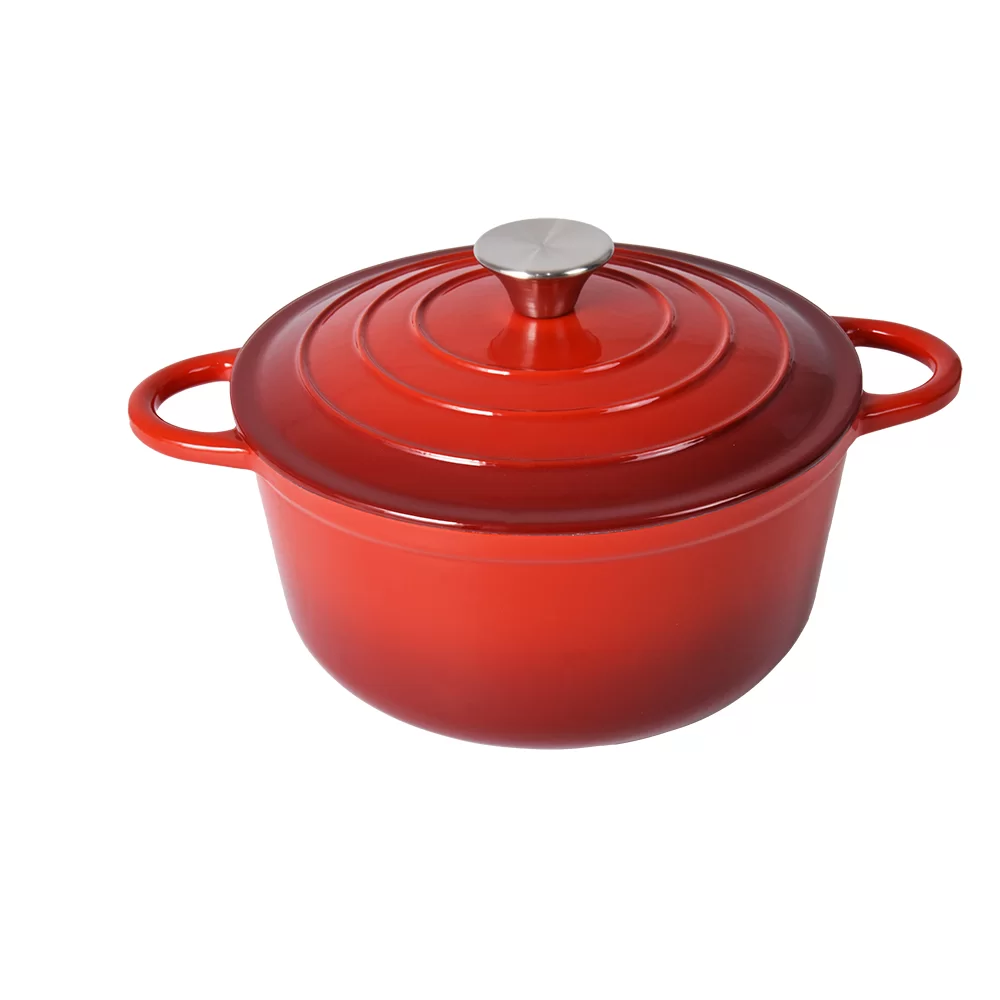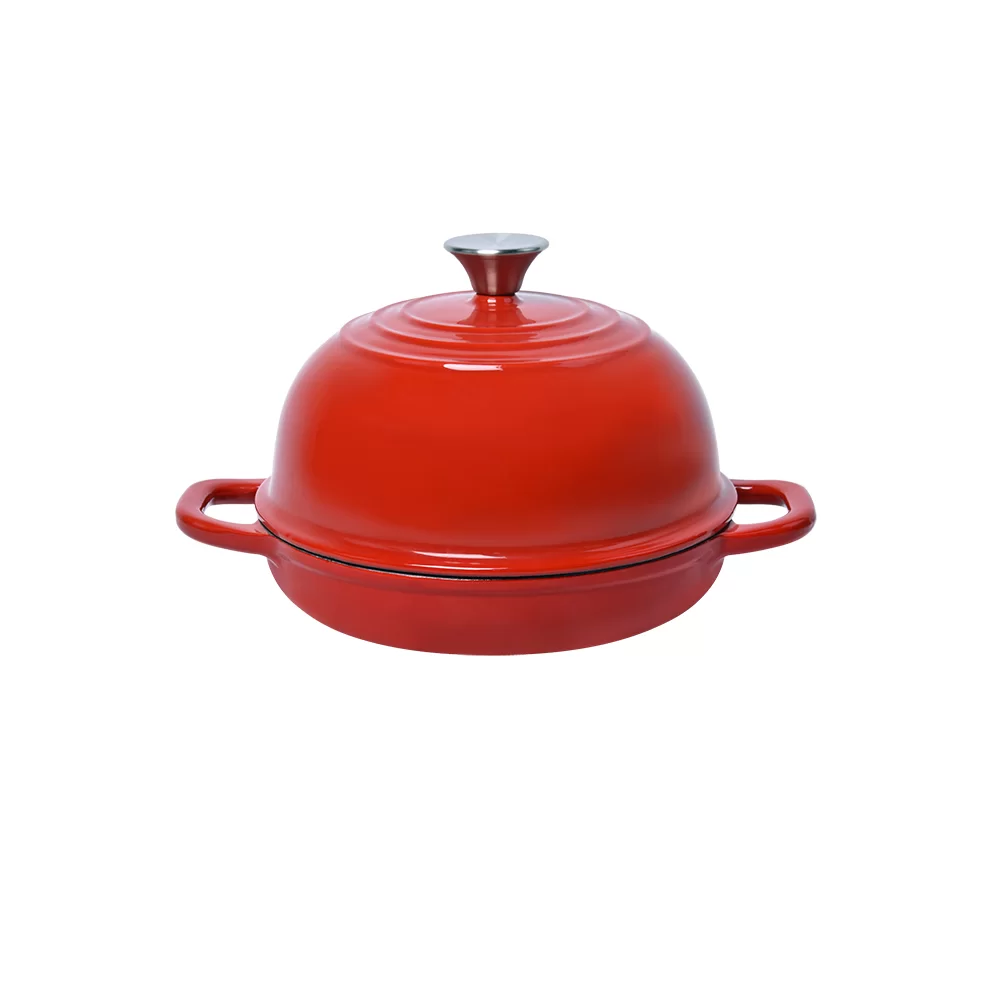
Cast Iron Bread Tin: Durable Bakeware for Artisan & Commercial Bakers
Why the Humble Cast Iron Bread Tin Matters Globally
At first glance, a cast iron bread tin might not strike you as world-changing. But look closer — this simple kitchen tool holds a surprisingly pivotal role in both artisanal baking traditions and industrial food production worldwide. As consumers increasingly care about quality, sustainability, and durability in their cookware, cast iron bread tins have become a quiet hero for professionals and home cooks alike.
Globally, bread is a staple for billions. According to the United Nations Food and Agriculture Organization (FAO), nearly every culture has a version, making bread production one of the most universally critical food industries. Maintaining optimal baking tools directly impacts yield, taste, and food sustainability. Understanding how cast iron bread tins work, especially their advantages and evolving trends, sheds light on broader food security and manufacturing challenges.
The Big Picture: Cast Iron Bread Tins in Today’s Global Market
The international cookware market is projected to reach over $23 billion by 2027, largely fueled by rising artisanal and home baking trends. This surge pushes demand for durable, heat-retentive, and sustainable bakeware – qualities cast iron naturally delivers.
But not without challenges. Globally, many bakers struggle with inconsistent bake quality caused by inferior materials warping or uneven heat distribution. That’s where the cast iron bread tin shines as a reliable solution, especially in regions where electric ovens and controlled baking conditions aren’t always available.
It’s interesting: while stainless steel and non-stick tins flood supermarket shelves, cast iron offers longevity and an unmatched reputation for consistent results. Beyond kitchens, cast iron bakeware sometimes finds a role in humanitarian efforts—for instance, providing robust bread-making pans in refugee camps where conventional bakeware is often replaced every few months. That durability translates into less waste, fewer supply disruptions, and better nutrition support on the ground.
What Is a Cast Iron Bread Tin, Really?
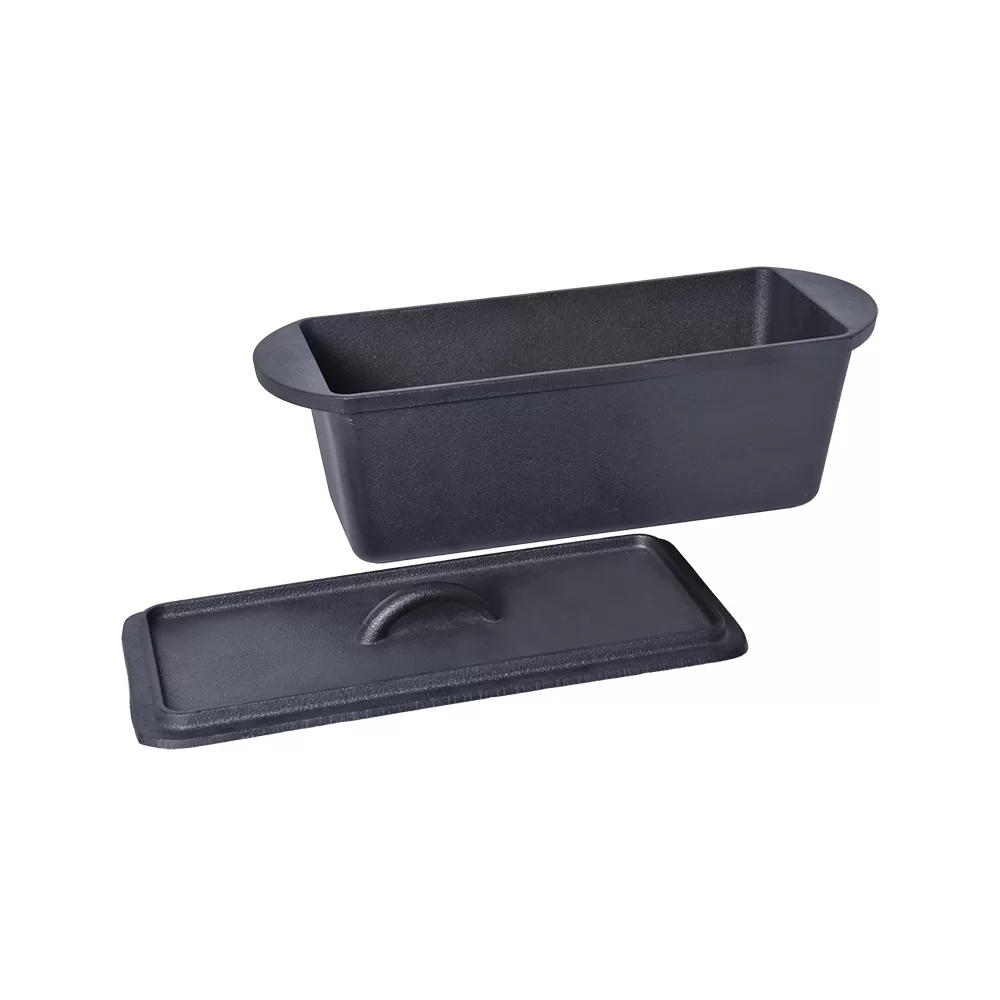
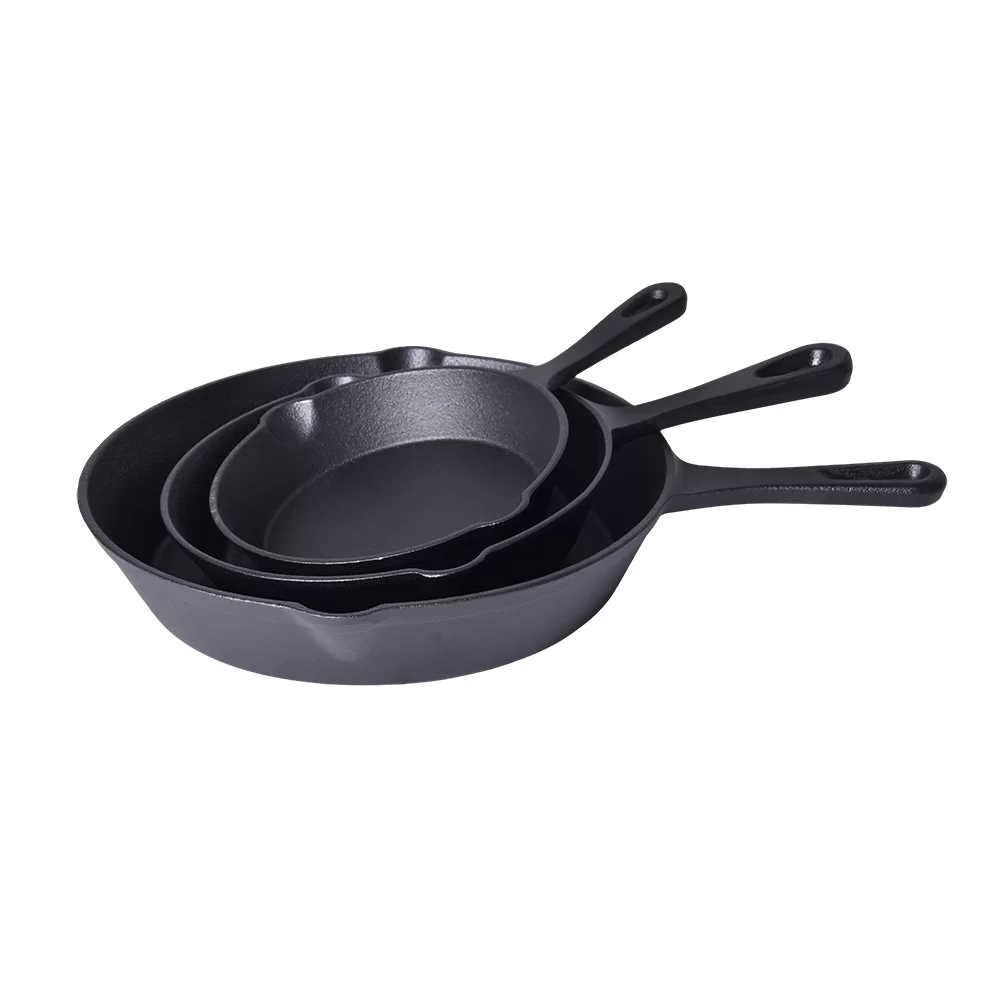
Put simply, a cast iron bread tin is a baking mold made from cast iron designed specifically to bake loaves of bread. Think of it as the mold that shapes your dough into those classic rectangular loaves – except this one boasts a sturdiness and thermal mass that surprises many newcomers.
Cast iron’s unique heat retention ensures even cooking and wonderfully thick crusts, which is why artisanal bakers swear by it. Because cast iron tends to improve with use thanks to its seasoning layer, these tins are almost timeless — a marked contrast to flimsy, coated pans that degrade after a few bakes.
From a humanitarian lens, cast iron bread tins contribute to food security by empowering communities to bake efficiently without constant replacement of pans. Durable bakeware is a small but real part of sustainable food systems.
Key Factors That Make Cast Iron Bread Tins Stand Out
Durability: Built to Last
Cast iron is practically legendary for lasting decades when properly cared for. Unlike tinplate or aluminum pans that dent, warp, or lose coatings, cast iron bread tins take a beating — think kitchen heirloom potential. In real terms, that means fewer replacements and less waste.
Even Heat Distribution
Baking bread is part science, part art. Cast iron's high thermal mass keeps heat steady and spreads it evenly, preventing those pesky hotspots that ruin crust or crumb texture. People often say it’s like baking with a trusty old friend who never lets you down.
Non-Stick Through Seasoning
Over time, with proper oiling and use, the tin develops a naturally non-stick surface — no PFOA or synthetic coatings required. This seasoning improves bread release and enhances health considerations by avoiding chemical residues.
Cost Efficiency Over Time
At first, cast iron bread tins might seem pricey compared to cheap baking sheets. But the initial investment pays off over years of use. The pan’s longevity, ease of maintenance, and premium baking results combine to save money in the long haul.
Versatility and Sustainability
Beyond baking bread, these tins double as versatile cookware for roasting or even storage. Their recyclable material and eco-friendly manufacturing processes make them a greener option than many alternatives.
Maintainability
It’s funny — many shy away from cast iron fearing complex upkeep, but a basic cleaning routine is all you need. That single friction point usually comes down to educating users on seasoning. Proper care only enhances the pan’s lifespan.
Mini takeaway: Cast iron bread tins blend tradition with practicality, offering lively baking experiences combined with long-term sustainability. They stand apart by delivering durability, baking consistency, and environmental benefits.
Global Applications and Noteworthy Use Cases
Cast iron bread tins find utility far beyond the boutique bakery. In developing regions, NGOs like the Red Cross and World Food Programme distribute cast iron bakeware in food aid initiatives to maximize baking efficiency in off-grid or electric-scarce settings.
In industrial bakeries throughout Europe and North America, manufacturers often choose cast iron tins for specialized bread lines requiring exquisite crust finishes. Oddly enough, there’s also demand in cold climates where cast iron’s thermal stability helps maintain baking momentum despite fluctuating ambient temperatures.
On a smaller scale, home bakers worldwide are reviving cast iron bread tin use, spurred by a global wellness trend favoring traditional cooking methods and natural materials.
Advantages That Keep Cast Iron Bread Tins in the Oven
- Cost Savings: Less frequent replacements make them economically savvy.
- Sustainability: Eco-friendly manufacturing and longevity align with global green goals.
- Reliability: Consistent baking results build trust among producers and consumers.
- Social Impact: Providing durable bakeware supports nutritional initiatives and food security.
- Health Benefits: Chemical-free seasoning offers a safe cooking environment.
There’s something emotionally satisfying about using a well-seasoned cast iron tin — it feels timeless, almost like baking with a connection to generations past. For many, that trust is invaluable.
What Does the Future Hold for Cast Iron Bread Tins?
Innovation isn’t just the realm of digital gadgets. Manufacturers are exploring smarter casting techniques to reduce weight while retaining thermal performance. Some are experimenting with eco-friendly coatings and enhanced seasoning processes that speed up the 'break-in' period.
Green energy adoption in foundries (e.g., solar-powered furnaces) promises even better ecological footprints. Meanwhile, digital smart ovens tuned specifically for cast iron bakeware are popping up, integrating temperature sensors to optimize baking cycles automatically.
The trend toward local artisan food production also bodes well for cast iron bread tins. Their alignment with slow food philosophies and sustainability ethics keeps them relevant as consumers seek authenticity over disposable goods.
Common Challenges and How They’re Being Tackled
Of course, every product has its drawbacks. The main ones with cast iron bread tins:
- Weight: They’re heavy, which can be tough for frequent transport or elderly users.
- Maintenance: Requires seasoning and careful drying to avoid rust.
- Initial Cost: Higher upfront expense can deter some buyers.
The good news: Improvements in lighter, enamel-coated cast iron offer less weight with easier care, and educational campaigns are improving consumer knowledge on seasoning. Bulk purchasing by relief organizations also helps amortize cost.
Cast Iron Bread Tin: Product Specification Table
| Feature | Specification | Notes |
|---|---|---|
| Material | Cast Iron (Seasoned) | Uncoated for natural seasoning |
| Typical Dimensions | 9" x 5" x 3" (LxWxH) | Standard loaf size |
| Weight | ~3.5 lbs (1.6 kg) | Varies by brand and thickness |
| Heat Range | Up to 450°F (232°C) | Ideal for bread baking |
| Maintenance | Hand wash, oil after use | Avoid soap & soak |
Vendor Comparison: Leading Cast Iron Bread Tin Suppliers
| Vendor | Price Range (USD) | Weight | Seasoned | Warranty |
|---|---|---|---|---|
| Kingway Cookwares | $35–45 | 3.6 lbs | Pre-seasoned | Limited lifetime |
| BakePro Supplies | $30–40 | 3.8 lbs | Not seasoned | 1 year |
| Artisan Hearth | $40–55 | 3.4 lbs | Pre-seasoned | Limited lifetime |
Frequently Asked Questions About Cast Iron Bread Tins
1. How do I properly season my cast iron bread tin for first use?
Seasoning involves coating your tin lightly with cooking oil and baking it at a high temperature (around 400°F) for about an hour. This process creates a natural non-stick layer and protects against rust. Repeat seasoning as needed, especially after heavy cleaning. Avoid soap to preserve the seasoning.
2. Can cast iron bread tins be used in all types of ovens?
Yes, cast iron tins are versatile and work well in conventional electric, gas, and wood-fired ovens. Just be cautious with sudden temperature changes to prevent cracking. Their heat retention performs especially well in less predictable baking environments.
3. What makes cast iron bread tins better than aluminum or non-stick alternatives?
Cast iron offers superior durability, better heat distribution, and a naturally developing non-stick surface through seasoning—without synthetic coatings that can degrade or emit toxins over time. While heavier, their long lifespan offsets the initial investment.
4. Are cast iron bread tins suitable for commercial bakery use?
Definitely. Many artisanal and small industrial bakeries prefer cast iron for consistent crust quality and longevity. However, they may be heavier to handle in high-volume settings compared to lighter pans, so workflow considerations matter.
5. How can NGOs efficiently distribute cast iron bread tins in disaster zones?
Bulk shipments coordinated with local baking training programs ensure these durable tins are used effectively. Their longevity reduces recurring supply demands, making them cost-effective for sustained relief efforts.
Conclusion: Bringing It All Together
Roughly speaking, the cast iron bread tin remains a paradox: unassuming yet invaluable. Its global relevance stretches beyond the kitchen, contributing quietly to food security, sustainability, and cultural traditions. When you invest in one, you’re choosing durability, quality, and a small gesture toward greener living.
If you’re curious or ready to upgrade your baking tools, visit Kingway Cookwares — because sometimes, the best bread starts with the best tin.
Mini takeaway: Embracing cast iron isn’t just about baking better bread — it’s about supporting sustainable practices and global food traditions that connect us all.
References