Discover the Benefits of a Cast Iron Bread Pan with Cover | Kingway Cookwares
Why a Cast Iron Bread Pan with Cover Deserves Your Attention
If you've ever baked bread at home—or peeked into a professional bakery—you know how important the baking vessel can be. The cast iron bread pan with cover is one of those unsung heroes in the kitchen world. It’s a simple tool, yet it transforms the baking process. But beyond just making crusty artisan loaves with tender crumb interiors, this pan holds significance in global baking traditions and even sustainability efforts. Understanding its benefits can unlock improved baking outcomes, cost savings, and surprisingly, an environmental bonus too.
Globally, bread remains a staple food for billions. According to the Food and Agriculture Organization (FAO), about 30% of the world's grain production is converted into bread and bakery products—which means the tools involved in bread making have a considerable impact beyond our kitchens. The cast iron bread pan with cover is a smart response for anyone seeking durability, consistent heat distribution, and moisture control during baking, addressing challenges many face with cheaper alternatives.
The Global Baking Landscape & Why Quality Bakeware Matters
Worldwide bread consumption is staggering—estimates suggest that in some European countries, bread accounts for as much as 45% of the average daily calorie intake! Industrial bakeries and home cooks alike face challenges maintaining quality, efficiency, and food safety in baking processes. As demand for artisan bread grows (just think about the sourdough craze), so does the need for reliable bakeware that can deliver consistent results.
Enter the cast iron bread pan with cover. According to ISO standards on kitchenware durability and food-grade materials, cast iron cookware can offer a lifespan of decades with proper care. This longevity resonates in both developing regions, where replacing cheap pans frequently isn't an option, and developed markets where baking quality is non-negotiable.
One ongoing problem: many home bakers struggle with bread crusts that are either too dry or too soggy. The cover plays a pivotal role in regulating moisture during rising and baking—solving this problem efficiently.
Mini takeaway:
- Global bread consumption makes reliable bakeware crucial.
- Cast iron pans address durability and baking consistency issues.
- Cover-equipped pans manage moisture for better crust quality.
What Exactly Is a Cast Iron Bread Pan with Cover?
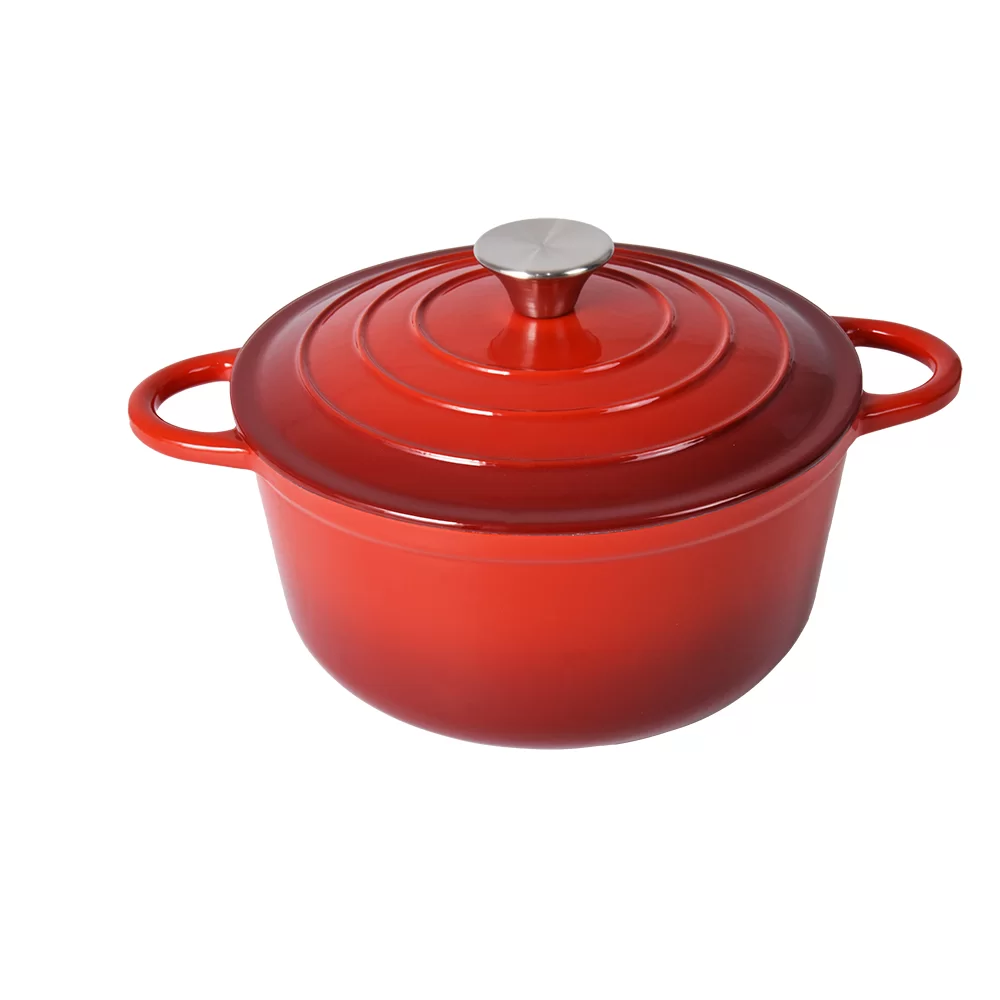
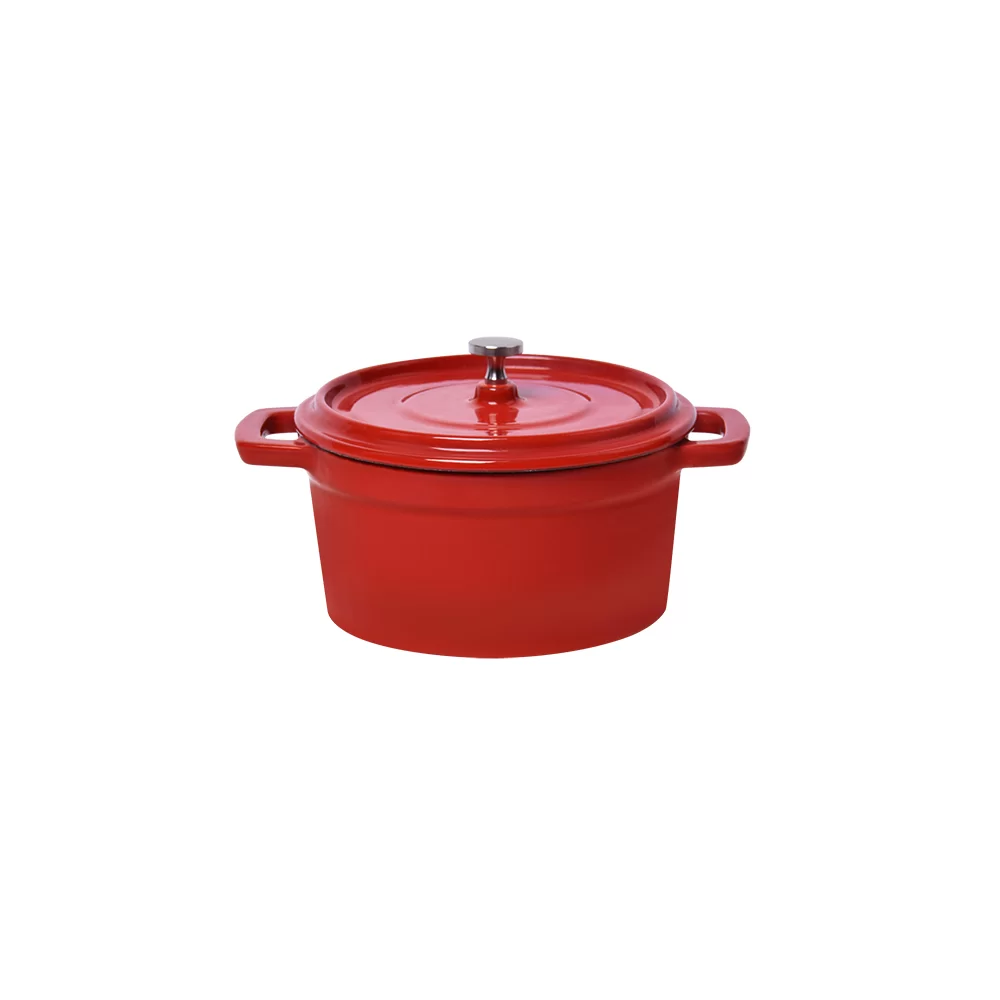
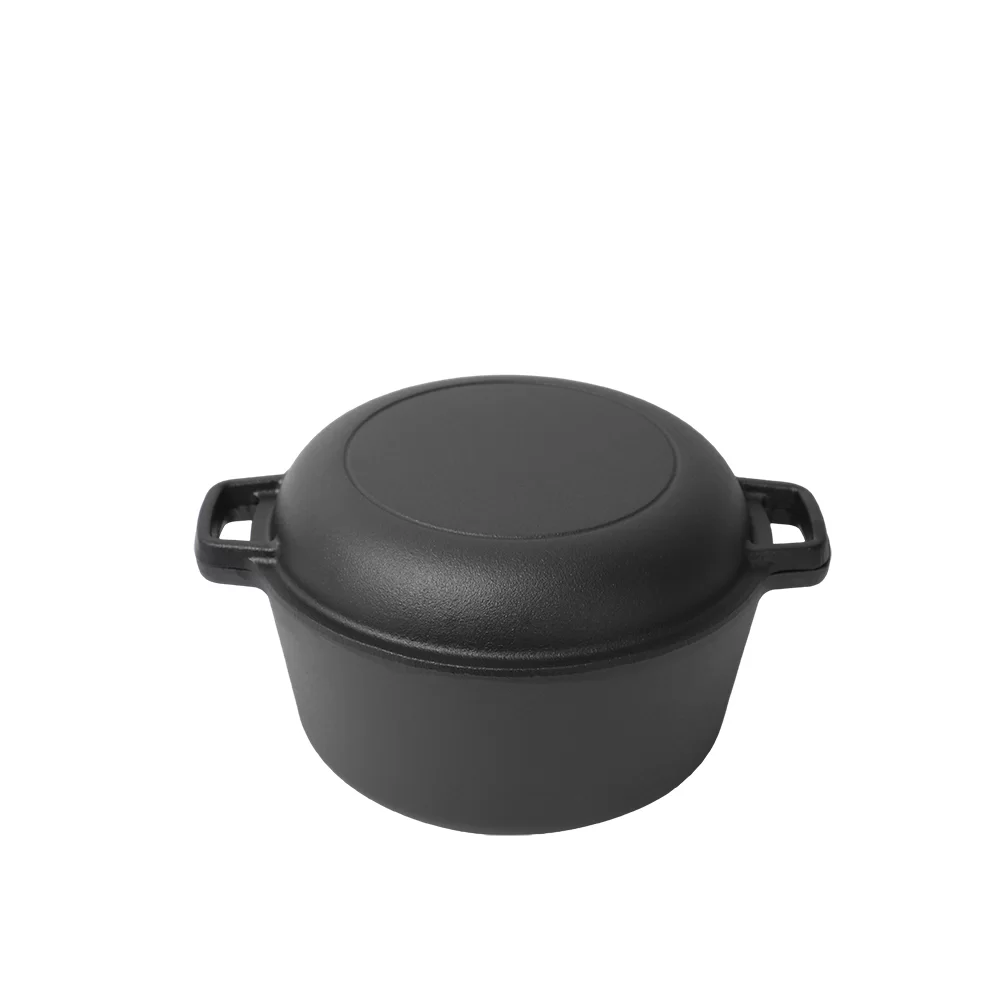
Put simply, it’s a rectangular baking pan forged or cast from cast iron, designed specifically for bread. The “with cover” part means it comes with a tight-fitting lid, usually also cast iron, that traps steam inside during baking. This steaming effect encourages the bread to rise properly and develop a moist crumb while getting a crispy crust once the lid is removed for the final baking minutes.
This pan merges old-world craftsmanship with modern baking science: cast iron's thermal mass evenly distributes and retains heat, and the covered design plays on the age-old baking trick of steam. Oddly enough, this pan serves artisan bakers in everything from San Francisco to small villages in Eastern Europe, blending tradition with innovation.
Mini takeaway:
- Cast iron bread pans combine heat retention with moisture control.
- The cover traps steam, improving loaf texture and crust.
- Suitable for a vast range of baking techniques globally.
Key Factors to Consider When Choosing Cast Iron Bread Pans with Cover
1. Durability & Lifetime Value
Cast iron is notoriously tough—it can last a lifetime if seasoned and maintained properly. Many bakers inherit these iconic pans across generations. Unlike aluminum or steel, cast iron doesn’t easily warp or degrade under intense heat, which is crucial when baking bread at high temperatures.
2. Thermal Conductivity & Heat Retention
Cast iron’s ability to hold and evenly spread heat means fewer hotspots and better crust formation. It also allows for “carryover” heat to keep baking after the oven turns off, which can help avoid underbaked centers.
3. Moisture Management (Role of the Cover)
The cover captures steam, transforming the pan into a mini steam oven. Steam is essential during the first phase of baking to keep dough surface elastic and allow maximum oven spring (the rapid rise). Once the lid is removed toward the end, the crust crisps perfectly without drying out the crumb.
4. Size and Shape Versatility
Cast iron bread pans with cover come in a variety of sizes to accommodate everything from small sandwich loaves to large boule-style breads. Some pans even feature modular lids or vents—adding to customization.
5. Ease of Cleaning and Maintenance
Seasoning your cast iron bread pan regularly keeps it non-stick and hygienic. Though it requires a bit more care than other materials, the payoff is a pan that improves with use rather than degrades.
Mini takeaway:
- Look for longevity and heat quality.
- Cover functionality is key to good bread texture.
- Size and maintenance impact real-world usability.
Where and How Are Cast Iron Bread Pans with Cover Used Globally?
In Europe, artisan bakeries rely on these pans to produce famous crusty breads like Italian ciabatta or French pain de campagne. In North America, home bakers chasing the perfect sourdough loaf swear by them—many claim the results rival professional wood-fired ovens. Oddly enough, humanitarian cooks in disaster relief zones also use cast iron pans for their versatility and durability in challenging conditions, helping communities bake nutritious bread even without sophisticated infrastructure.
In places like East Asia, smaller versions cater to steamed bread recipes, underscoring the pan’s versatility. And of course, mass-market commercial versions can be found in bakery chains worldwide.
| Specification | Details |
|---|---|
| Material | Seasoned cast iron, food-grade |
| Dimensions | Typically 9" x 5" x 3" (varies by model) |
| Weight | Approx. 5–7 lbs (2.3 – 3.2 kg) |
| Coating | Pre-seasoned surface to prevent sticking |
| Cover Style | Optional tight-fitting lid, also cast iron |
| Oven Safe | Up to 500°F (260°C) |
Why Investing in Quality Pans Pays Off in the Long Run
Cost-wise, a good cast iron bread pan with cover may seem pricier than generic bakeware at first glance. But when you consider that many stainless steel or aluminum counterparts warp, degrade, or need replacement every few years, the investment makes sense. The durability and excellent thermal properties mean fewer failed bakes, less energy wasted in reheating, and a more reliable kitchen companion.
From an environmental lens, cast iron's longevity reduces frequent manufacturing demand. The pan often ends up a family heirloom, an oddly comforting thought given the throwaway culture we’re swimming in.
Emotionally, many bakers find pride in wielding a tool that connects them back to traditional kitchencraft. There’s a trust factor—knowing that the pan will behave predictably every bake. And safety wise, cast iron doesn’t leach chemicals or coatings into food, unlike some Teflon or cheaper materials.
Vendor Comparison for Cast Iron Bread Pans with Cover
| Brand | Price Range | Cover Included | Seasoned Surface | Warranty |
|---|---|---|---|---|
| Kingway Cookwares | $45 - $60 | Yes | Pre-Seasoned | 5 Years |
| Cast Artisan | $65 - $80 | Optional | Yes, Natural Seasoned | 3 Years |
| Old Mill Kitchen | $40 - $55 | No | Factory Coated | 2 Years |
Looking Ahead: Innovations and Trends in Cast Iron Bakeware
Technology is quietly seeping into something as timeless as cast iron bread pans. New seasoning methods aimed at producing non-stick surfaces without synthetic chemicals are gaining traction. Some manufacturers are even experimenting with ceramic or enamel coatings that can combine cast iron's heat properties with easier cleaning.
On the sustainability front, the rise in zero-waste kitchens has sparked renewed interest in durable cookware. Adding to that, 3D metal printing may one day simplify the production of highly customized loaf pans with optimized heat circulation and humidity control.
Meanwhile, digital kitchen thermometers and IoT-enabled ovens hint at a future where pans could pair with gadgets to perfect baking automation. But frankly, nothing beats the warmth and tactile pleasure of tossing dough into a hefty cast iron pan and hearing that satisfying sizzle.
Challenges & How Industry Experts Address Them
Cast iron's reputation for being heavy and prone to rust can put off some users. That said, modern designs factor in ergonomic handles, lightweight alloys mixed with cast iron, and pre-seasoned surfaces to minimize these drawbacks.
Cleaning remains a sticking point for some. Experts recommend avoiding soap and using simple methods like hot water and gentle scrubbing. It feels demanding but in real terms builds a timeless patina that actually improves bakeware quality over years.
FAQs: Practical Questions About Cast Iron Bread Pans with Cover
- Q1: Can I use a cast iron bread pan with cover on all types of ovens?
- A: Yes, cast iron pans are typically oven-safe up to 500°F (260°C). They are compatible with gas, electric, and convection ovens and even over open flames.
- Q2: How do I prevent my cast iron pan from rusting?
- A: After each use, dry thoroughly and apply a thin layer of cooking oil. Store in a dry place, and re-season regularly to maintain the protective patina.
- Q3: Is a covered cast iron pan better than using steam in the oven?
- A: The lid naturally traps steam inside, which closely replicates professional oven steaming without extra equipment—making it a practical alternative for home bakers.
- Q4: How heavy is a typical cast iron bread pan with cover?
- A: Expect roughly 5 to 7 pounds (2.3 to 3.2 kg). It’s heavier than most aluminum pans but worth it for heat retention.
Final Thoughts
Choosing a cast iron bread pan with cover is about embracing quality, endurance, and authentic baking methods. It's an investment in your kitchen and your baking skills—one that pays dividends in loaf after loaf of artisan-quality bread. If you’re ready to upgrade your bread baking, check out cast iron bread pan with cover selections to find a pan that fits your style. Happy baking!
References