Durable & Sustainable Bread Loaf Cast Iron Pans | Kingway Cookwares
Understanding Bread Loaf Cast Iron: A Timeless Kitchen Essential with Global Impact
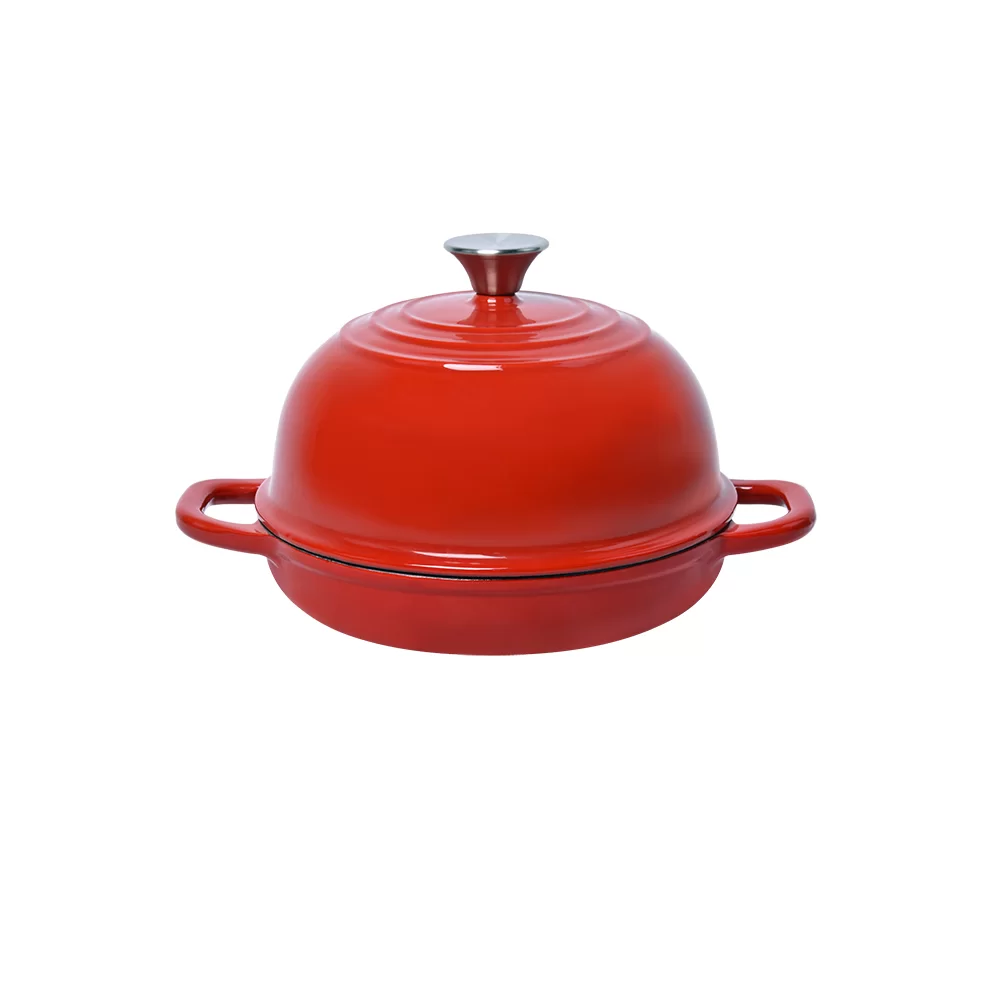
When you hear “bread loaf cast iron,” what comes to mind? Perhaps a nostalgic kitchen image or the smell of fresh-baked bread wafting through your home. But beyond the warm memories, this kitchen tool has a surprisingly significant footprint globally—both in culinary traditions and manufacturing industries. Knowing the ins and outs of bread loaf cast iron not only helps us appreciate its durable design but also lifts the curtain on sustainable production practices relevant worldwide.
Why Bread Loaf Cast Iron Matters Globally
Cast iron cookware, especially bread loaf pans, remains pivotal in many regions. According to the ISO, demand for cast iron goods continues to rise due to its longevity and eco-friendliness. With bread consumption increasing globally—FAO estimates suggest nearly 280 million metric tons of bread are produced annually—the tools making this staple can’t be overlooked.
However, challenges like material sourcing, manufacturing emissions, and equitable access still matter. The bread loaf cast iron approach exemplifies how industry can blend tradition, utility, and sustainability.
What Exactly is a Bread Loaf Cast Iron Pan?
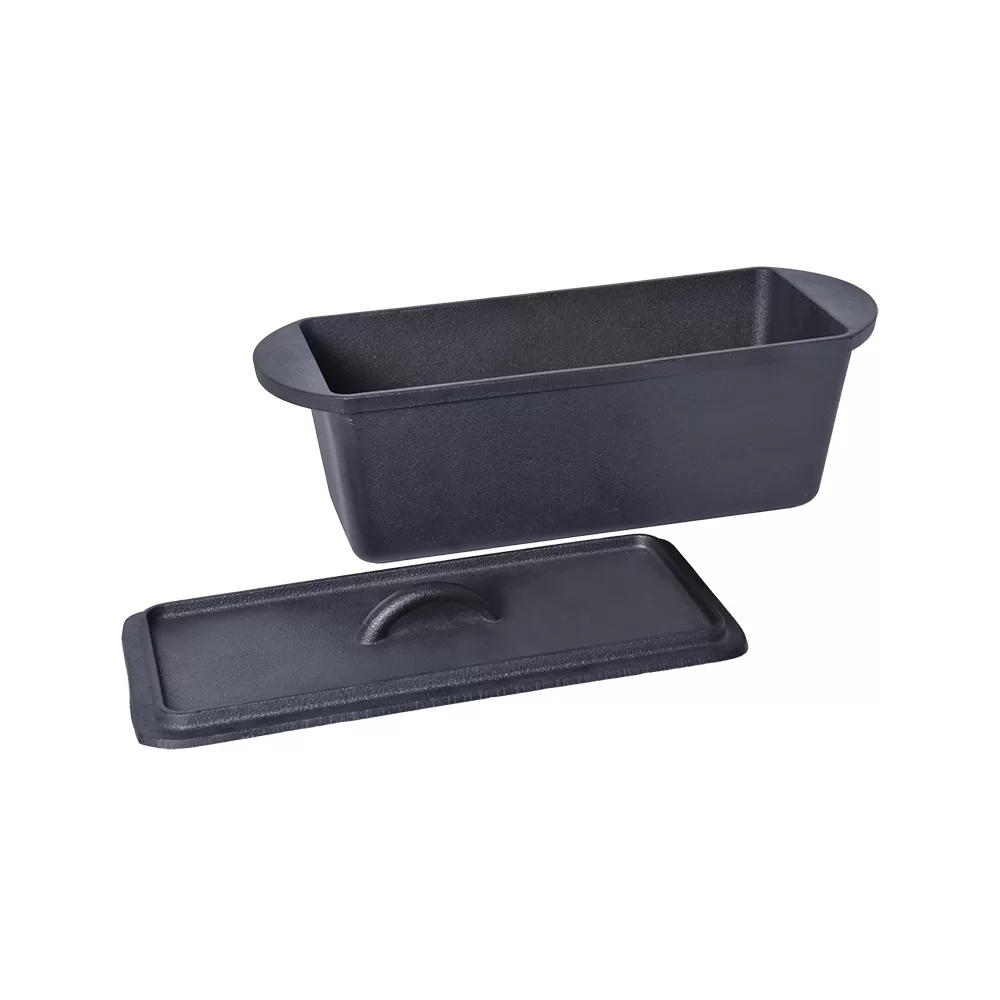
Simply put, a bread loaf cast iron pan is a rectangular or slightly rounded baking vessel traditionally used for bread loaves, but also suitable for cakes, meatloafs, and other oven-baked dishes. Made from cast iron, which is molten iron mixed with carbon—usually around 2-4%—these pans boast exceptional heat retention and even cooking.
More than cookware, bread loaf cast iron is a small but potent symbol of industrial metalworking skills honed over centuries. From artisanal blacksmithing to modern foundries, creating these pans connects local economies to global supply chains, bridging heritage with innovation.
Core Components That Define Bread Loaf Cast Iron Pans
1. Durability
Cast iron's secret weapon is its unmatched longevity. Many seasoned cooks swear by heirlooms passed down generations. The pans develop seasoning—a slick, almost non-stick surface formed by oils baked into tiny pores—making each loaf better than the last.
2. Heat Retention and Distribution
Unlike thinner aluminum or steel, cast iron maintains stable temperatures. That even heat means your bread rises with a uniform crust. Think of it as the difference between a temperamental campfire and a well-oiled furnace.
3. Material Composition & Sustainability
Cast iron is mostly recycled scrap iron and steel. The foundry process is energy-intensive, yes, but considering the pan’s lifetime, it’s overall more sustainable than disposable or less-durable alternatives. Many foundries now integrate greener smelting technologies aligned with United Nations environmental guidelines.
4. Versatility
From baking to roasting and even stovetop frying, bread loaf pans made from cast iron are like the Swiss Army knives of bakeware. Their multi-use ability is partly why they retain value worldwide.
Mini Takeaway:
The bread loaf cast iron pan is not just a baking vessel but a product blending heritage, sustainable practices, and unmatched kitchen performance.
Global Applications of Bread Loaf Cast Iron
Though often tied to home kitchens, bread loaf cast iron pans have carved out surprising niches globally.
- Household Baking Across Continents: Whether it’s sourdough in San Francisco, rye bread in Eastern Europe, or panettone in Italy, these pans unify countless baking techniques.
- Emergency Food Programs: NGOs leverage cast iron loaf pans for community cooking projects in refugee camps, where durability and reusability are vital. Makeshift bakeries rely on them.
- Commercial Bakeries in Remote Areas: In regions with fluctuating electricity, the pans’ robustness allows for wood-fired ovens or alternative heating methods.
- Artisanal and Heritage Culinary Schools: Places like the French Culinary Institute continue to focus on proper cast iron usage.
Mini Takeaway:
From street food vendors to academic kitchens and humanitarian missions, bread loaf cast iron pans are quietly indispensable.
Advantages and Long-Term Value
- Cost-effective in the Long Run: Though sometimes pricier initially, their lifespan makes them economical over decades.
- Improved Food Quality: Their thermal properties bake bread with beautiful crust and texture.
- Sustainability: Less frequent replacement means less waste.
- Emotional Value: Seasoning and wear tell stories—this kind of cookware builds generational trust and culinary identity.
Product Specification Table
| Specification | Typical Bread Loaf Cast Iron Pan |
|---|---|
| Material | Cast Iron (Made from 90% recycled scrap) |
| Dimensions | 9" L x 5" W x 3" H (also available in custom sizes) |
| Weight | Approx. 3.6 lbs (1.6 Kg) |
| Pre-seasoning | Typically included (can be reseasoned) |
| Oven Safe Temperature | Up to 500°F (260°C) |
| Care Instructions | Hand wash, dry immediately, oil regularly |
Comparing Top Vendors of Bread Loaf Cast Iron Pans
| Vendor | Price Range | Material Quality | Pre-seasoned? | Customer Rating | Special Features |
|---|---|---|---|---|---|
| Kingway Cookwares | $25–$45 | Premium recycled cast iron | Yes | 4.7/5 | Non-stick seasoning, custom sizes |
| Heritage Ironworks | $30–$55 | Traditional cast with hand polishing | No | 4.5/5 | Custom engraving available |
| GlobalBake Industries | $20–$40 | Standard foundry cast iron | Yes | 4.3/5 | Bulk order discounts |
Looking Ahead: Innovations and Trends in Bread Loaf Cast Iron Manufacture
Oddly enough, cast iron feels like both a throwback and a tech edge product. Newer innovations focus on eco-friendly smelting and precision casting to reduce waste and improve pan uniformity. Smart coatings that improve seasoning resilience are in development—think durable surfaces that resist chipping in ways never before possible.
Moreover, manufacturers are exploring modular pan designs for easier stacking and transport, with some even incorporating sensors to monitor baking times and temperatures remotely—okay, that’s still niche but intriguing.
Sustainability remains a buzzword, too, with the UN Environment Programme urging more industries to reduce their carbon footprints. This pressure is pushing cast iron producers toward greener furnaces and renewable energy sources.
Challenges and Expert Solutions
Despite its benefits, bread loaf cast iron is heavy, requires maintenance, and has a learning curve for seasoning. Shipping can be costly due to weight. But many producers now offer pre-seasoned pans, cutting out some hassle. For durability concerns, hybrid materials combining cast iron with lighter metals are emerging, offering some relief without sacrificing heating properties.
Experts recommend thorough hydration and curing of the seasoning layer with quality oils like flaxseed oil, improving non-stick properties naturally.
FAQ: Frequently Asked Questions About Bread Loaf Cast Iron
- Q: How do I properly season my bread loaf cast iron pan?
- A: Wash with warm water, dry thoroughly, then apply a thin layer of vegetable or flaxseed oil. Bake it upside down at 375°F (190°C) for about an hour. Repeat periodically to build a strong non-stick surface.
- Q: Can I use a cast iron bread loaf pan on a stovetop?
- A: Yes, cast iron’s versatility allows for stovetop use, but for bread baking, oven roasting is ideal to achieve even cooking and proper crust formation.
- Q: What’s the lifespan of a bread loaf cast iron pan?
- A: With care, cast iron cookware can last a lifetime, often becoming family heirlooms. The seasoning can be renewed indefinitely.
- Q: Are bread loaf cast iron pans suitable for all oven types?
- A: Generally yes, they work well in gas, electric, and wood-fired ovens but always check your oven’s maximum temperature limits (typically safe up to 500°F).
In Conclusion: Why Bread Loaf Cast Iron Still Wins Hearts and Kitchens
It’s funny how something so simple—a sturdy bread loaf cast iron pan—can carry so much tradition, utility, and sustainable promise. Whether you’re a professional baker or just enjoy a homemade sourdough, understanding this humble product’s background enriches the experience. Plus, it's an investment that rewards care and time.
If you’re intrigued, check out options and detailed offerings from Kingway Cookwares. They strike a great balance between traditional craftsmanship and modern features.
Happy baking!
References