Best Bread Iron Pan – Durable, Portable & Perfect for Artisan Baking
What Is a Bread Iron Pan and Why It Matters Worldwide
In the world of cookware, the humble bread iron pan stands out not only for baking delicious, golden crusted bread but also as a versatile tool beloved globally. From campfires in the Pacific Northwest to open kitchens in Europe, this particular pan carries cultural value and practical benefits. Understanding the bread iron pan means appreciating how tradition and innovation bake side-by-side — it’s about shaping dough, heat distribution, and yes, even connecting communities through food.
Beyond kitchen tales, the bread iron pan offers insights into sustainability, material science, and global culinary trends. For those in the hospitality or outdoor cooking industries, it represents a reliable and efficient tool much bigger than its size suggests. And frankly, who doesn’t need an evenly toasted sandwich or a crisp, fresh loaf?
The Global Relevance of the Bread Iron Pan
The bread iron pan might seem like a niche item, but its impact spans continents. According to the United Nations Food and Agriculture Organization (FAO), bread products make up a significant portion of daily caloric intake worldwide — and the tools used to bake bread influence food quality and access. A dependable bread iron pan is crucial in both developed and developing countries for producing consistent, quality bread without expensive ovens.
In fact, ISO standards on cookware materials emphasize durability and safety — areas where bread iron pans thrive. As outdoor cooking and artisanal baking grow in popularity (with a 15% increase in specialty cookware sales in the past five years), the bread iron pan’s role only expands. However, challenges like uneven heat distribution or heavy weight persist, pushing manufacturers and cooks alike to think creatively.
Breaking it Down: What Exactly Is a Bread Iron Pan?
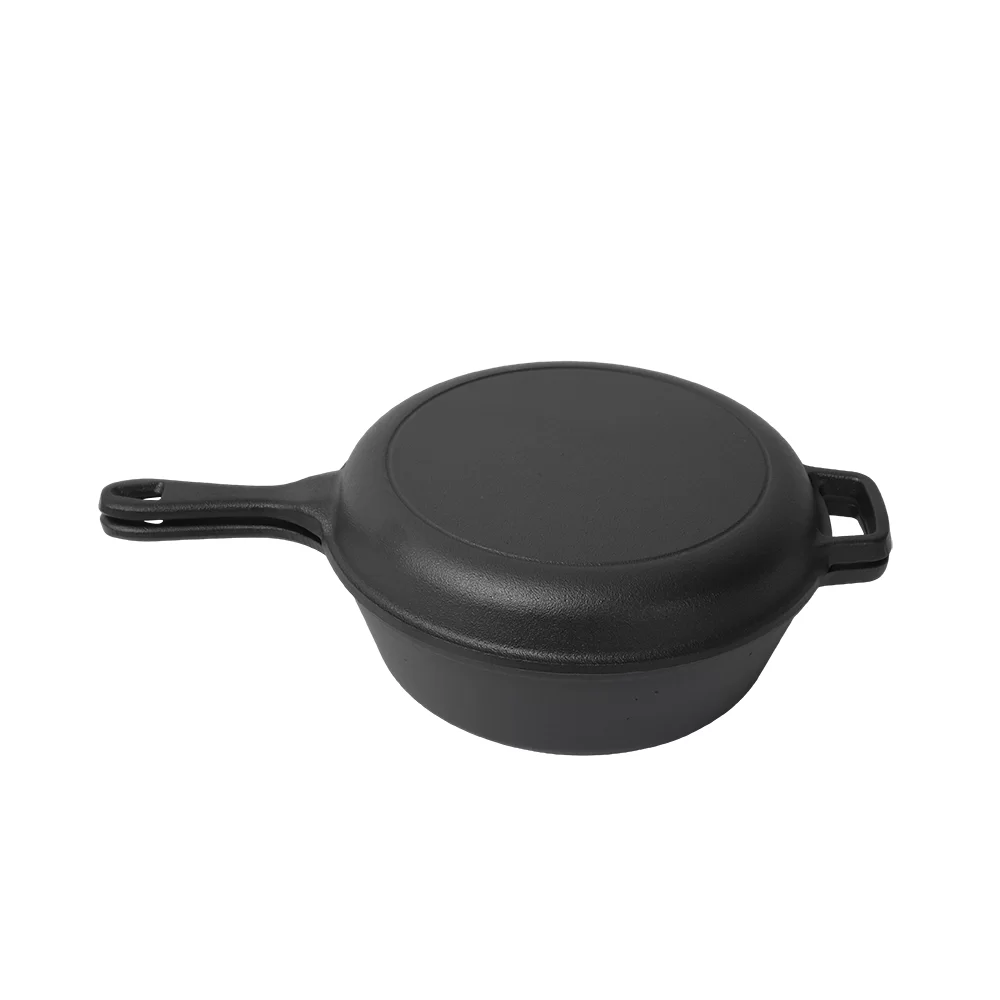
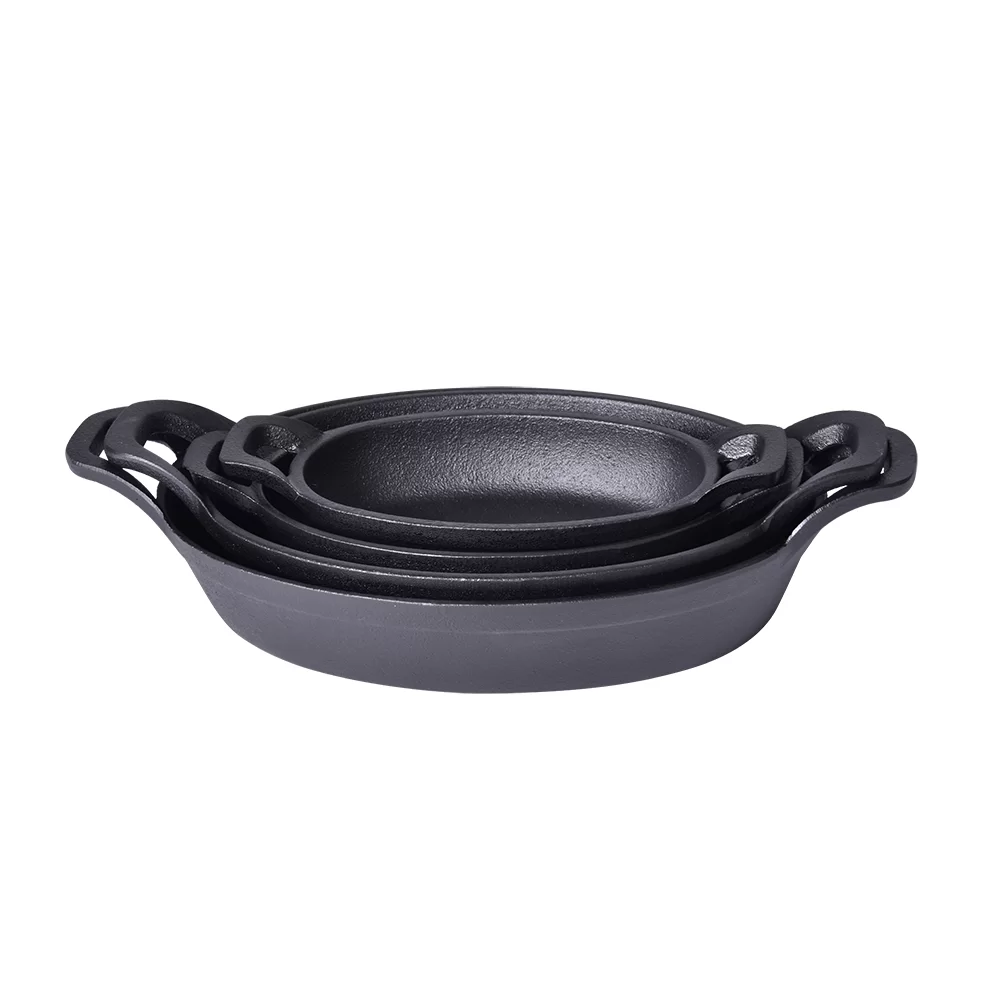
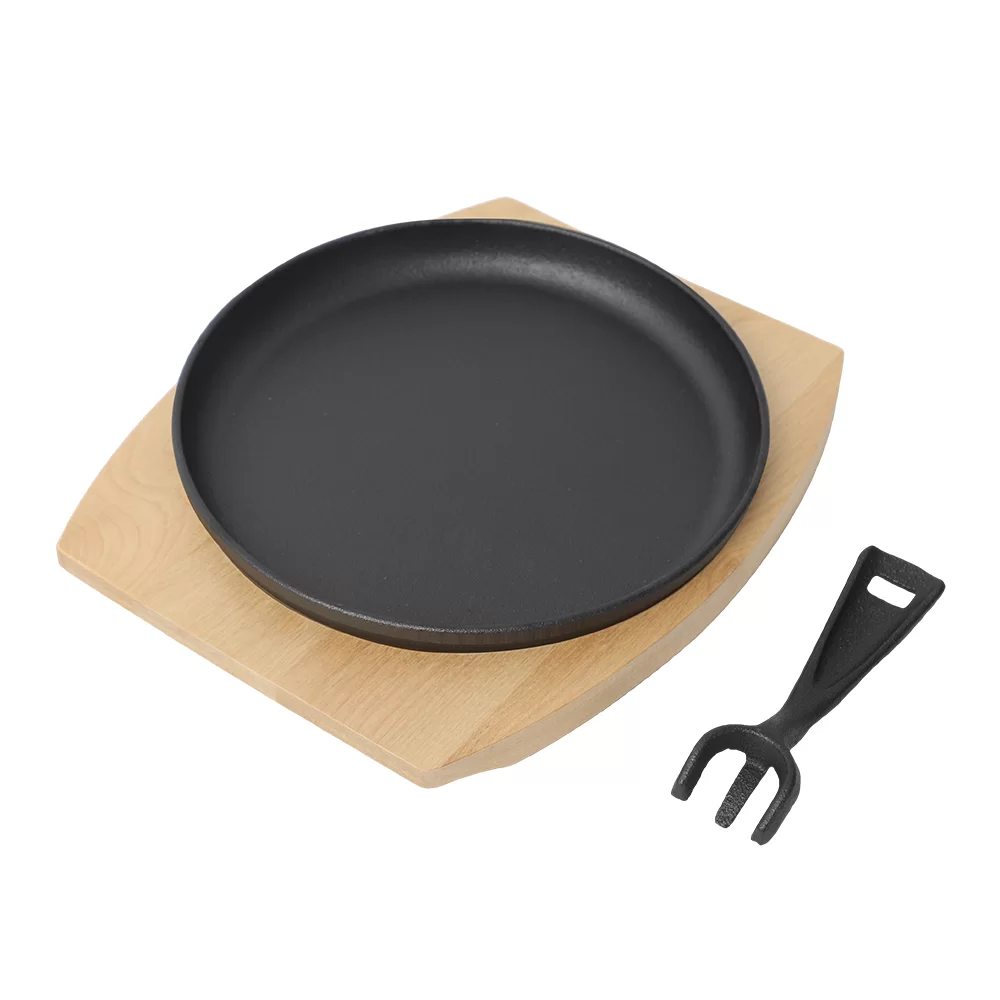
Simply put, a bread iron pan is a heavy-duty cooking pan designed primarily for baking bread or toasting sandwiches, often over an open flame or stove. It typically consists of two hinged cast iron plates that clamp the bread or dough inside, delivering even heat on both sides.
This tool connects culinary tradition with modern needs: it works for outdoor enthusiasts, emergency food preparation, and even small-scale bakers who want consistent crusts without bulkier ovens. The bread iron pan’s design optimizes heat retention and portability, making it both efficient and durable.
Key Features That Define a Bread Iron Pan
Durability
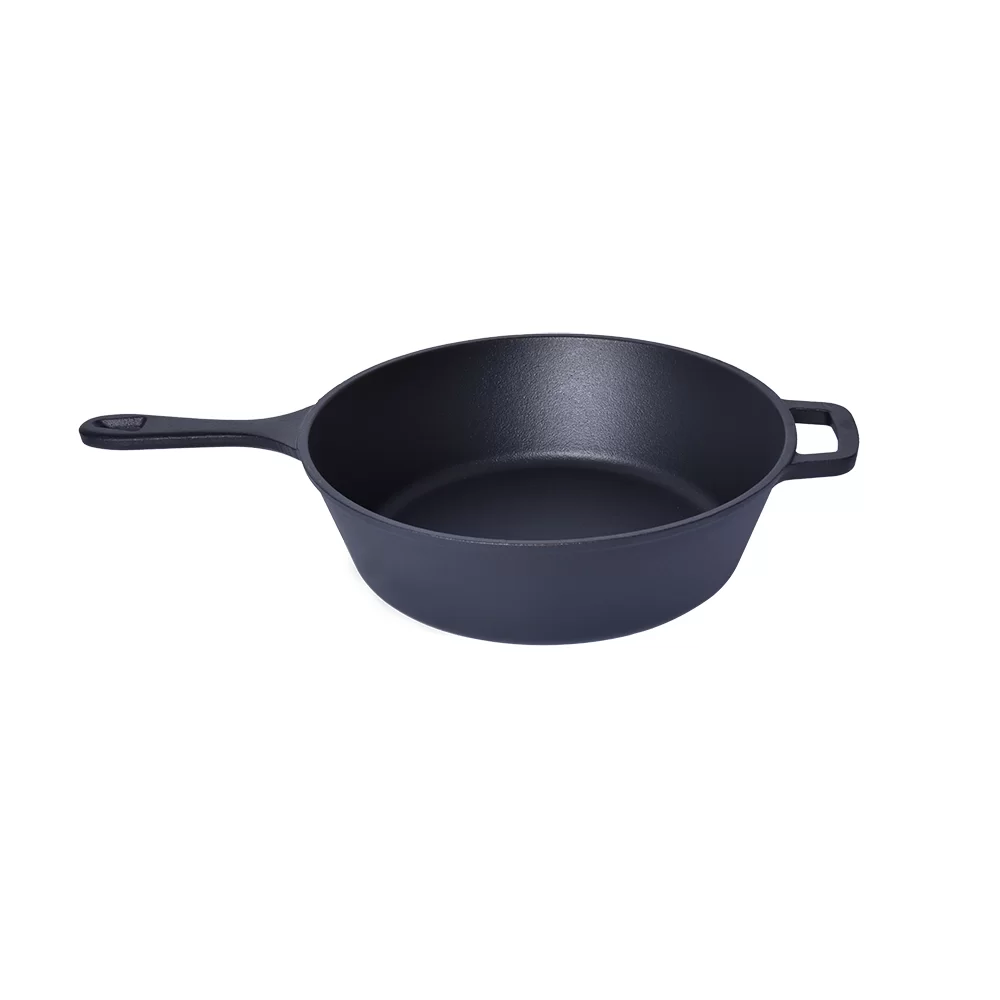
Most bread iron pans are made from cast iron or heavy aluminum, prized for longevity and resilience. Cast iron, in particular, withstands high temperatures and resists warping — many users report their pans lasting decades.
Heat Retention and Distribution
Efficient heat distribution is essential. The design applies heat evenly, preventing hotspots that can burn bread. This makes for a perfect crust — just like you want.
Portability
These pans are surprisingly portable considering their weight. Their hinged, clamp-style design means you can easily pack them for camping or travel, offering a reliable baking solution away from traditional ovens.
Ease of Cleaning and Maintenance
Seasoned cast iron pans need special care but, with proper maintenance, become naturally non-stick and further improve baking quality. Many users swear by the ritual of seasoning their bread iron pans as part of the cooking experience itself.
Aesthetic and Functional Design
Some bread iron pans come with ridged interiors for grill marks, while others favor a smooth surface. Certain models have adjustable clamps to accommodate varying loaf sizes — a nice touch for versatility.
Cost Efficiency
Compared to electric bread makers or ovens, these pans are economically friendly. A one-time purchase that hardly needs replacing saves money and energy over time.
Mini takeaway: Knowing these aspects helps you pick a bread iron pan that suits your cooking style — whether backyard grilling or artisan baking.
Where Bread Iron Pans Shine Around the World
Across regions, the bread iron pan finds diverse applications:
- North America: Campers and hikers rely on it for quick, flavorful meals over campfires.
- Europe: Many artisanal bakers use it for rustic bread styles that ovens struggle to replicate.
- Africa & Asia: In areas with limited electricity, bread iron pans help communities bake without relying on electric appliances, supporting food security.
- Disaster Relief Efforts: NGOs use these pans to offer hot meals in emergency shelters where ovens aren't practical.
In fact, organizations focused on sustainable cooking methods recommend bread iron pans for small-scale bakeries and community kitchens due to low fuel use and simplicity.
Advantages and Long-Term Value of the Bread Iron Pan
It’s not just about perfect toast — the bread iron pan carries multiple benefits.
- Sustainability: Uses less energy compared to electric ovens and has an exceptionally long life cycle.
- Cost savings: No need for electricity or constant replacements.
- Social impact: Encourages home baking and food traditions, fostering cultural identity.
- Reliability: Works in remote or off-grid locations.
- Innovation: Adapts to fuel sources like wood, charcoal, or gas, giving flexibility.
Emotionally, it builds trust — “This pan feels like a lifelong kitchen companion,” many users say.
Emerging Trends That Shape Bread Iron Pans
Innovation doesn’t stop just because something is traditional. These days, manufacturers explore:
- Eco-friendly coatings: New non-toxic, durable finishes reduce seasoning needs.
- Lightweight alloys: Aluminum and composite metals combining handle heat without bulk.
- Smart materials: Temperature-sensitive coatings that change color, indicating ideal baking heat.
- Customization: Modular pans that fit various bread sizes or are stackable for mass baking.
These developments point toward a future where old and new cookware seamlessly blend. It’s quite exciting if you’re into kitchen tech!
Common Challenges and How to Overcome Them
Despite their popularity, bread iron pans aren’t without quirks:
- Weight: Cast iron pans can be heavy and unwieldy for some users. Choosing lightweight alumina mixes or pans with ergonomic handles helps.
- Maintenance: Proper seasoning and cleaning can be intimidating for beginners — many brands now offer pre-seasoned versions to smooth that learning curve.
- Heat control: Cooking over open fire requires skill. Some pans integrate temperature indicators or adjustable clamps to help regulate.
Manufacturers and cooking communities continue to share tips and advanced designs to make these tools more accessible.
Product Specification Table: Popular Bread Iron Pan Models
| Model | Material | Weight (lbs) | Surface Type | Size (inches) | Price Range ($) |
|---|---|---|---|---|---|
| ForgeCast Classic | Cast Iron | 4.8 | Smooth | 9 x 9 | 45-60 |
| AlumiLite Traveler | Aluminum Alloy | 2.3 | Ribbed Grill | 8 x 8 | 65-80 |
| EcoBake Pro | Recycled Steel | 3.7 | Smooth | 10 x 10 | 50-70 |
Comparing Top Vendors of Bread Iron Pans
| Vendor | Product Range | Quality Certification | Price Competitiveness | Support & Warranty |
|---|---|---|---|---|
| Kingway Cookwares | Bread Iron, Skillets, Griddles | ISO 9001 | Moderate | 5 Years Limited |
| CampChef | Outdoor Cookware Range | UL Listed | Higher | 3 Years Warranty |
| Lodge Cast Iron | Cast Iron Pans & Accessories | ISO 14001 | Moderate | Limited Lifetime |
Frequently Asked Questions About Bread Iron Pans
Q1: How do I choose the right bread iron pan for camping?
A: Look for lightweight yet durable materials like aluminum alloy if weight is a concern. A hinged, clamp-style design with an ergonomic handle helps in portability. If you want classic heat retention, cast iron works but is heavier. Also, consider surface type based on what bread or sandwich textures you aim for.
Q2: What maintenance does a cast iron bread iron pan require?
A: Seasoning is essential — that means coating the pan in vegetable oil and heating it to develop a natural, non-stick surface. After use, clean with warm water (no soap if possible), dry immediately to prevent rust, and lightly oil before storing.
Q3: Can I bake gluten-free or sweet breads in a bread iron pan?
A: Absolutely! The even heat distribution ensures many bread varieties bake uniformly. Just adjust cooking times and temperatures according to your recipe, and you can experiment widely.
Q4: Is the bread iron pan suitable for electric or gas stoves?
A: Yes, though some pans excel on open flames or charcoal grills. For electric or gas stoves, the flat bottoms of most bread iron pans ensure full contact and even heat. Just be sure not to overheat and crack non-cast iron varieties.
Mini takeaway: Addressing these FAQs helps you avoid common pitfalls and get the best from your bread iron pan experience.
Conclusion: Why Investing in a Bread Iron Pan Makes Sense Long-Term
So here’s the bottom line: the bread iron pan may be a simple piece of cookware, but it’s a global solution bridging tradition, practicality, and innovation. Whether you’re cooking outdoors, managing a small bakery, or just trying your hand at rustic bread at home, a well-chosen pan is an investment in quality, sustainability, and enjoyment.
Looking to upgrade your kitchen? Explore the extensive range of reliable, tested bread iron pan options from top vendors. You might be surprised how much this one tool changes your baking game.
References: