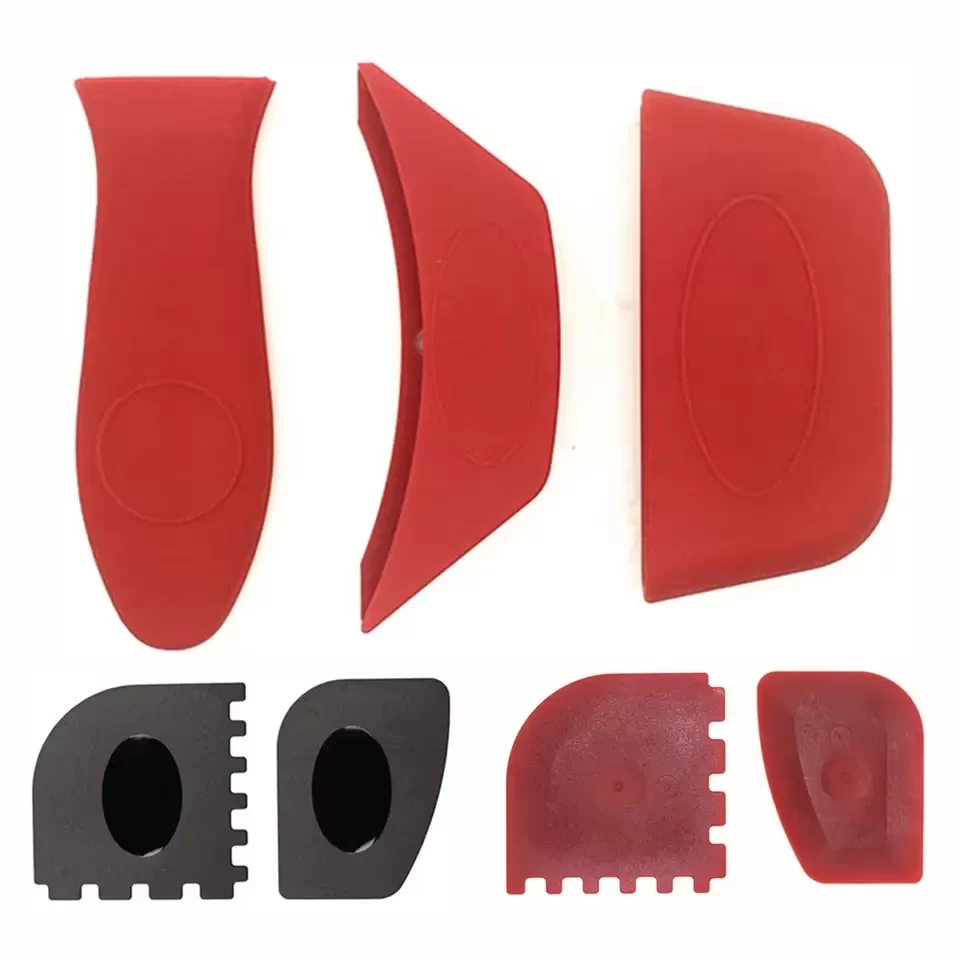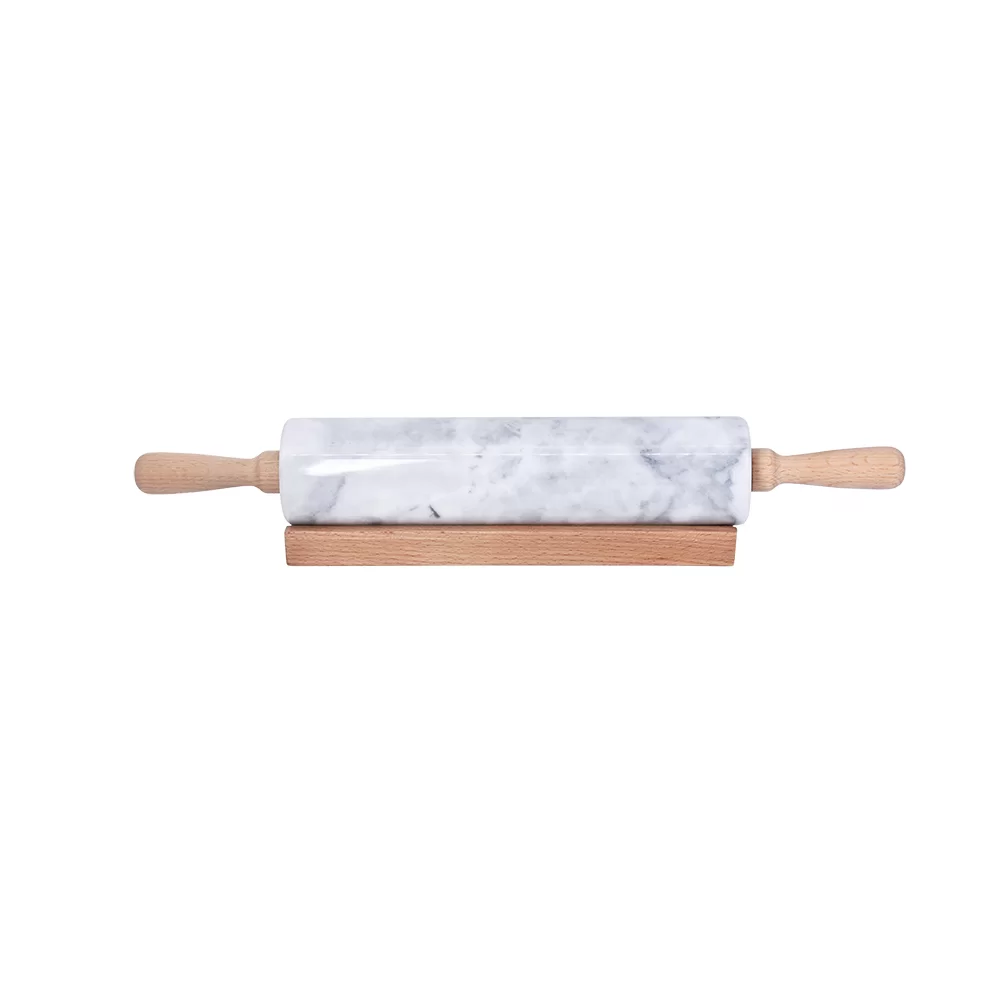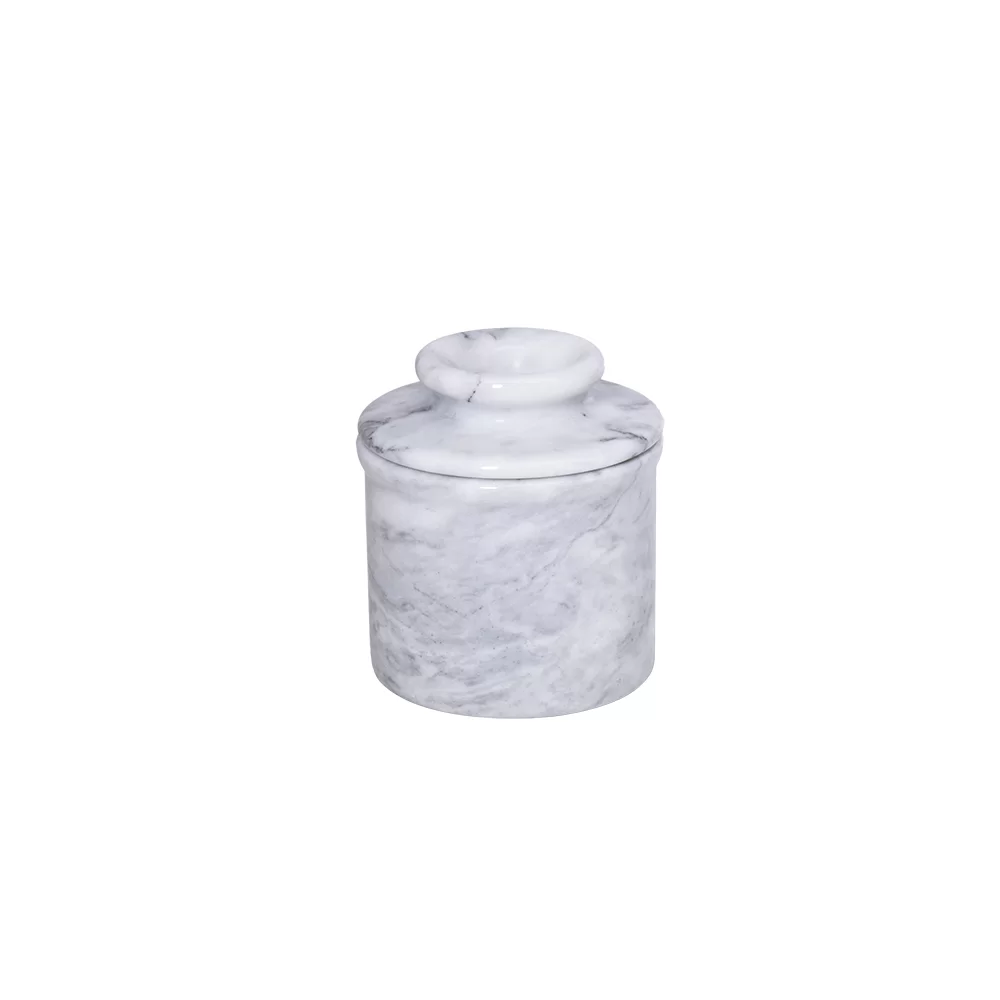
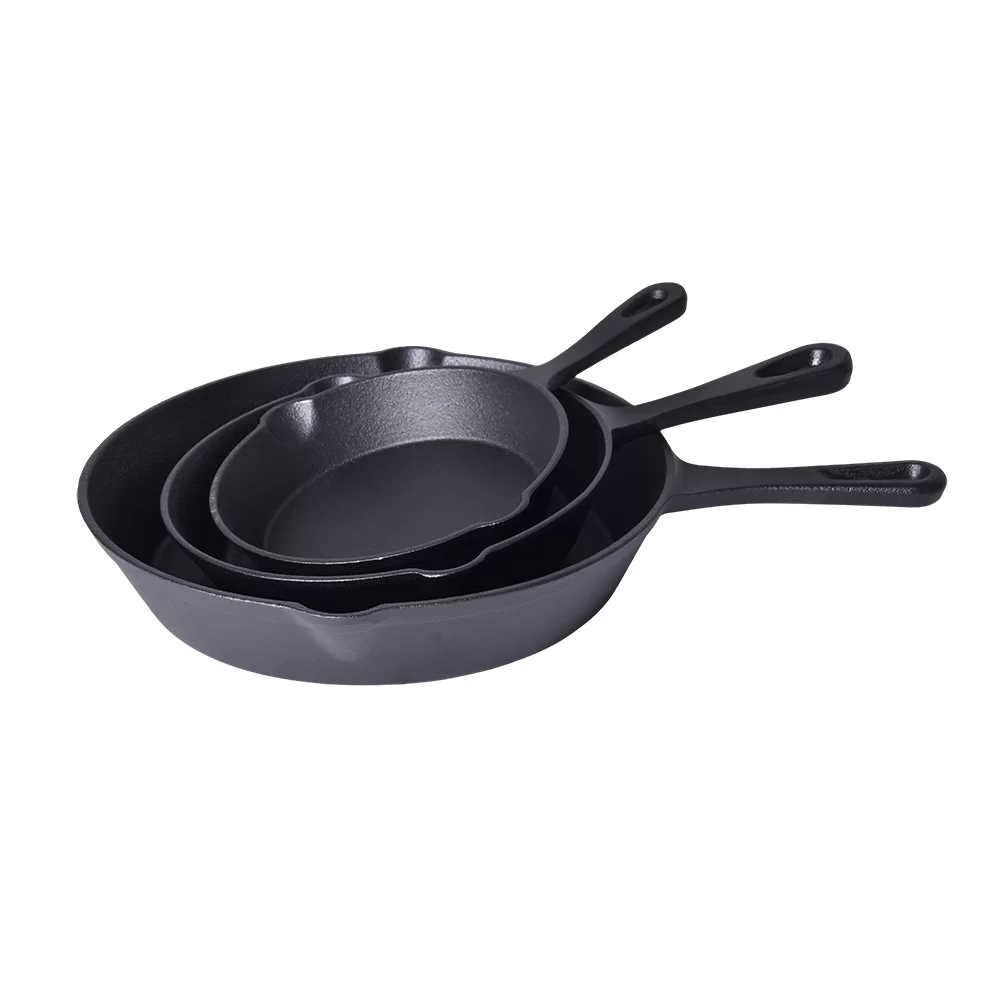
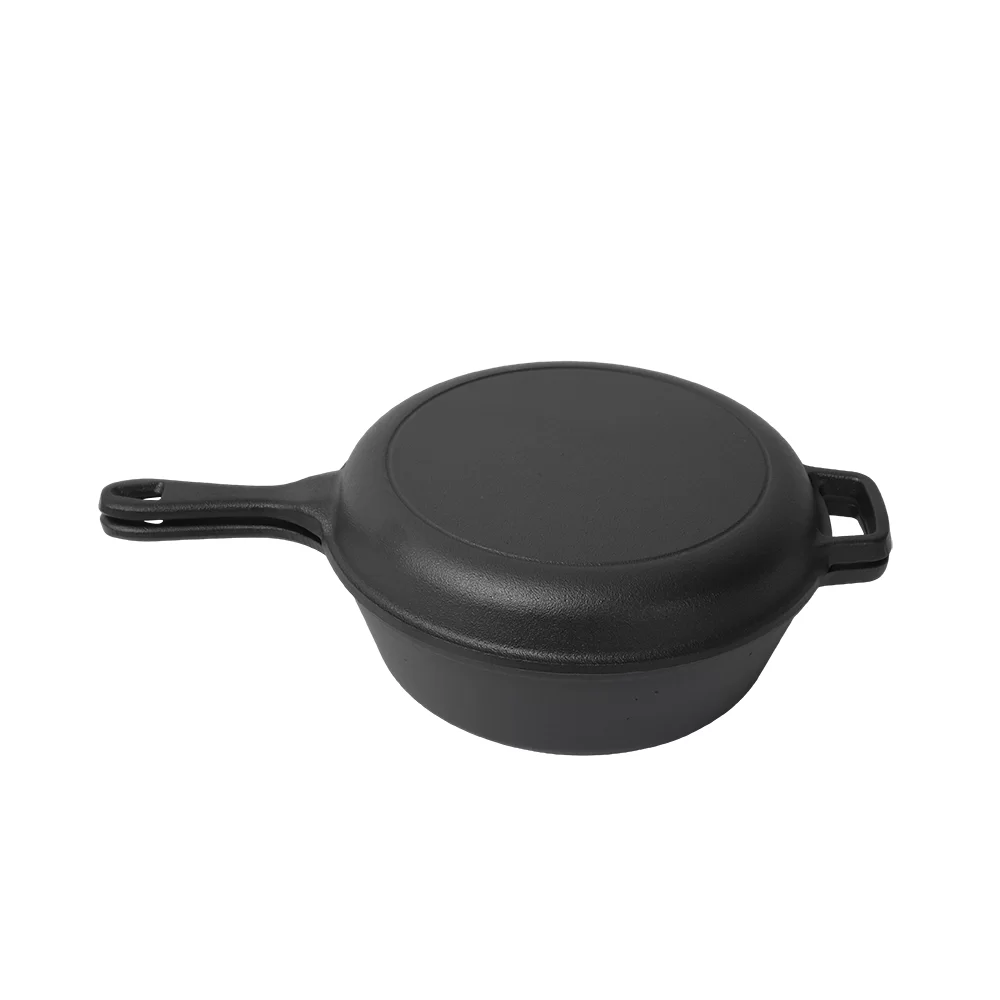
In Zambia, the culinary landscape is characterized by a strong preference for slow-cooked, nutrient-dense meals. The prevalence of charcoal and wood-fire cooking makes heavy-duty cookware essential. However, the high humidity in some regions often leads to rapid oxidation of raw cast iron, creating a significant demand for black enamel cookware that prevents rust while maintaining thermal mass.
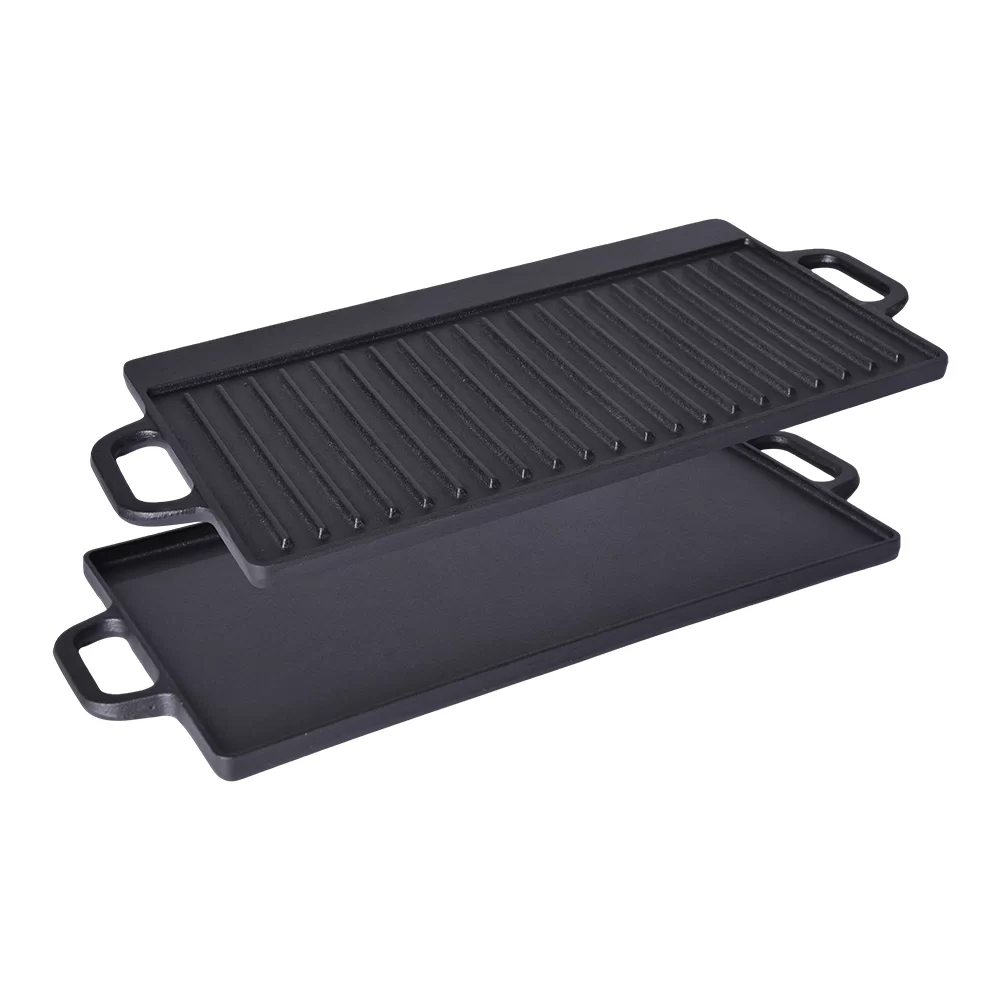
The urban growth in Lusaka and the Copperbelt has shifted consumer behavior toward professional-grade tools. We see a rising trend in outdoor hosting, where a high-quality bbq grill tool set is no longer a luxury but a staple for weekend social gatherings. This shift is driven by an increasing middle class seeking international quality standards in their local markets.
Despite the modernization, the reliance on durable materials remains. Whether it is for traditional Nshima preparation or modern baking using a cast iron baguette pan, Zambian consumers prioritize "lifetime value" over disposable options, favoring the robustness of cast iron over thin-gauge aluminum.