The demand for durable and reliable bbq grill tray replacements is consistently high, driven by the widespread popularity of outdoor cooking and the need to maintain grill performance. Across the globe, from backyard barbecues to commercial restaurants, grill trays are essential components that contribute significantly to the overall cooking experience. Understanding the materials, construction, and replacement options available is crucial for both consumers and professionals seeking optimal grilling results. A quality bbq grill tray replacement can dramatically improve heat distribution, prevent food from falling through the grates, and extend the life of the grill itself.
The market for bbq grill tray replacements is experiencing growth fueled by increasing disposable incomes and a growing trend towards outdoor entertaining. Globally, the BBQ industry is a multi-billion dollar market, and accessories like replacement trays represent a substantial portion of that revenue. Furthermore, the environmental impact of disposable grill parts is prompting a demand for more durable, long-lasting options, aligning with sustainable consumer practices. Addressing the challenges of finding compatible and high-quality replacements is vital for maintaining customer satisfaction and driving industry innovation.
Choosing the right bbq grill tray replacement isn't just about finding something that fits. It's about selecting a component that will enhance the cooking process and ensure years of reliable use. Factors like material, gauge, and coating all contribute to the tray’s performance and longevity. This guide will explore the key considerations for selecting the best replacement for your specific grill, addressing common concerns and providing expert insights.
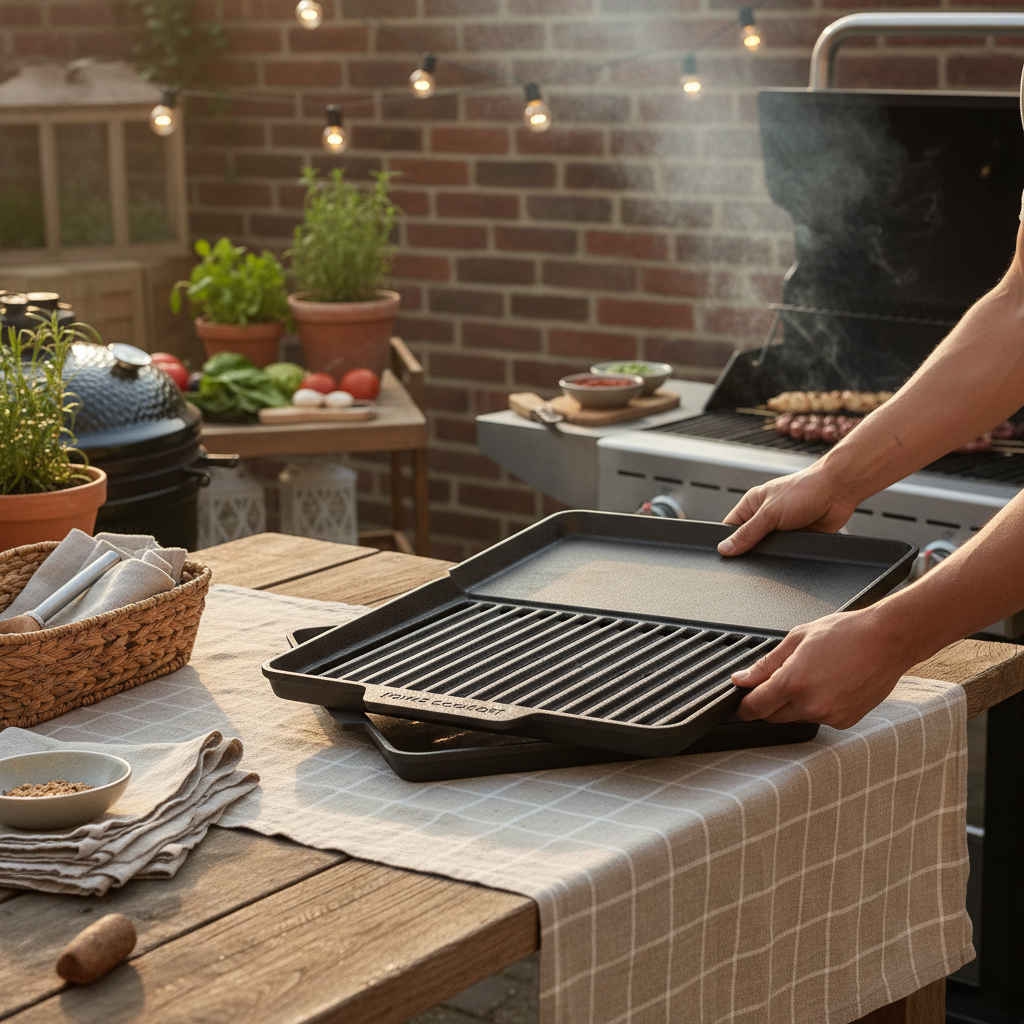
The Importance of BBQ Grill Tray Replacement
A functional bbq grill tray replacement is often overlooked, but it’s pivotal for safe and efficient grilling. A damaged or worn tray can lead to uneven heat distribution, causing food to cook inconsistently. It can also create a safety hazard as food particles can fall through the grates onto the burner, potentially causing flare-ups and even fires. Regularly inspecting and replacing your grill tray is a simple preventative measure that can save you time, money, and potential danger.
Beyond safety, a good quality tray enhances the flavor and texture of your grilled food. The right material and design will promote optimal airflow and even heating, resulting in perfectly cooked meals. Choosing a suitable bbq grill tray replacement tailored to your grill type and cooking style significantly improves the overall grilling experience.
Understanding BBQ Grill Tray Replacement
BBQ grill tray replacement refers to the process of substituting the existing cooking grates or trays on a barbecue grill with new ones. These trays are typically made from cast iron, stainless steel, or porcelain-coated materials. They serve as the direct cooking surface for food and are subjected to high temperatures and frequent use, leading to wear and tear over time. Identifying the correct size and type of replacement is essential for a proper fit and optimal performance.
Understanding the different types of grill trays available is the first step toward successful replacement. Some grills use standard-sized trays that are readily available, while others require custom-made replacements. Factors such as grill model, burner configuration, and cooking preferences will influence the choice of material and design. The importance of a compatible replacement cannot be overstated.
The process of replacing a grill tray is generally straightforward, requiring minimal tools and experience. However, it’s crucial to follow the manufacturer’s instructions and take necessary safety precautions, such as disconnecting the gas supply or ensuring the grill is completely cooled down before beginning the replacement. Proper installation ensures a secure fit and prevents potential hazards.
Key Materials in BBQ Grill Tray Replacement
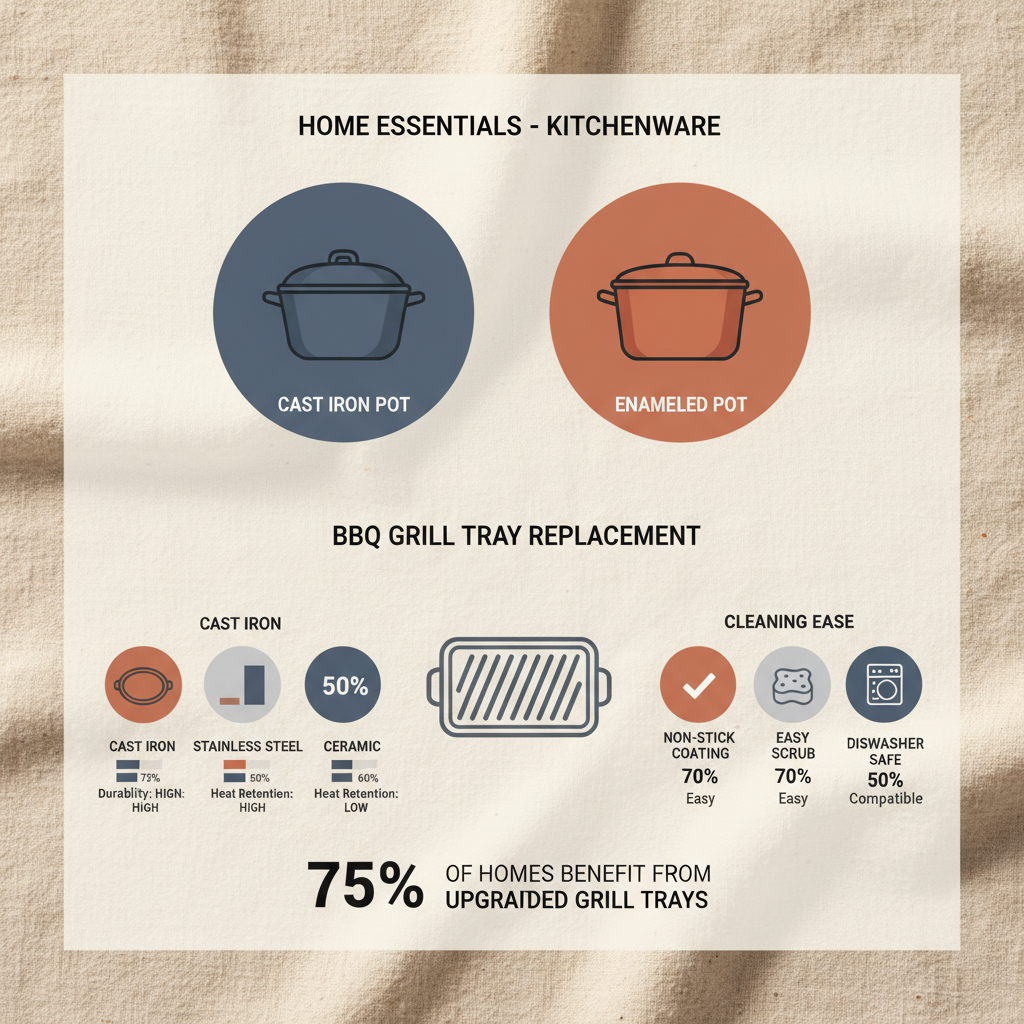
Cast iron is a popular choice for bbq grill tray replacements due to its excellent heat retention and durability. It heats up slowly but evenly, providing a consistent cooking surface. Cast iron trays often require seasoning to prevent rust and sticking. The superior heat retention of cast iron is particularly beneficial for searing meats and achieving a crispy crust.
Stainless steel offers excellent corrosion resistance and is relatively easy to clean. While it doesn't retain heat as effectively as cast iron, it heats up quickly and is ideal for grilling delicate foods. The sleek appearance and modern aesthetic of stainless steel are also appealing to many consumers.
Porcelain-coated cast iron or steel combines the benefits of both materials. The porcelain coating provides a non-stick surface and prevents rust, while the underlying cast iron or steel offers durability and heat retention. However, the porcelain coating can chip or crack over time with heavy use.
Factors Affecting BBQ Grill Tray Replacement Longevity
The lifespan of a bbq grill tray replacement depends on several factors, including the material it’s made from, the frequency of use, and the care it receives. Regular cleaning and seasoning are essential for maintaining the performance and longevity of cast iron trays.
Environmental conditions also play a role. Grills exposed to harsh weather elements, such as rain and salt air, are more prone to corrosion. Proper storage during the off-season can significantly extend the life of the trays.
Average BBQ Grill Tray Replacement Lifespan by Material
Global Applications of BBQ Grill Tray Replacement
The need for bbq grill tray replacement extends far beyond residential backyards. Commercial restaurants, catering companies, and food trucks rely heavily on durable and high-performing grill trays to maintain consistent food quality and efficiency. In regions with a strong grilling culture, such as the Southern United States and Argentina, the demand for replacements is particularly high.
Globally, outdoor kitchens and BBQ facilities are becoming increasingly popular in both residential and commercial settings. This trend is driving demand for quality replacement parts, including grill trays. The availability of a wide range of materials and designs allows consumers and professionals to customize their grilling setups to meet specific needs.
Advantages of High-Quality BBQ Grill Tray Replacement
Investing in a high-quality bbq grill tray replacement offers numerous advantages. Enhanced heat retention leads to more evenly cooked food and a superior flavor profile. Durable materials withstand repeated use and resist warping or cracking.
A well-maintained grill tray also promotes food safety by preventing food from falling through the grates onto the burner. This reduces the risk of flare-ups and ensures a cleaner cooking environment. Ultimately, a quality replacement tray contributes to a more enjoyable and efficient grilling experience.
Furthermore, choosing a corrosion-resistant material like stainless steel can significantly reduce the frequency of replacements, saving money in the long run. The initial investment in a durable tray pays off over time through increased longevity and reduced maintenance.
Future Trends in BBQ Grill Tray Replacement
The future of bbq grill tray replacement is likely to be shaped by advancements in materials science and manufacturing technologies. We can expect to see the development of new alloys and coatings that offer improved heat retention, corrosion resistance, and non-stick properties.
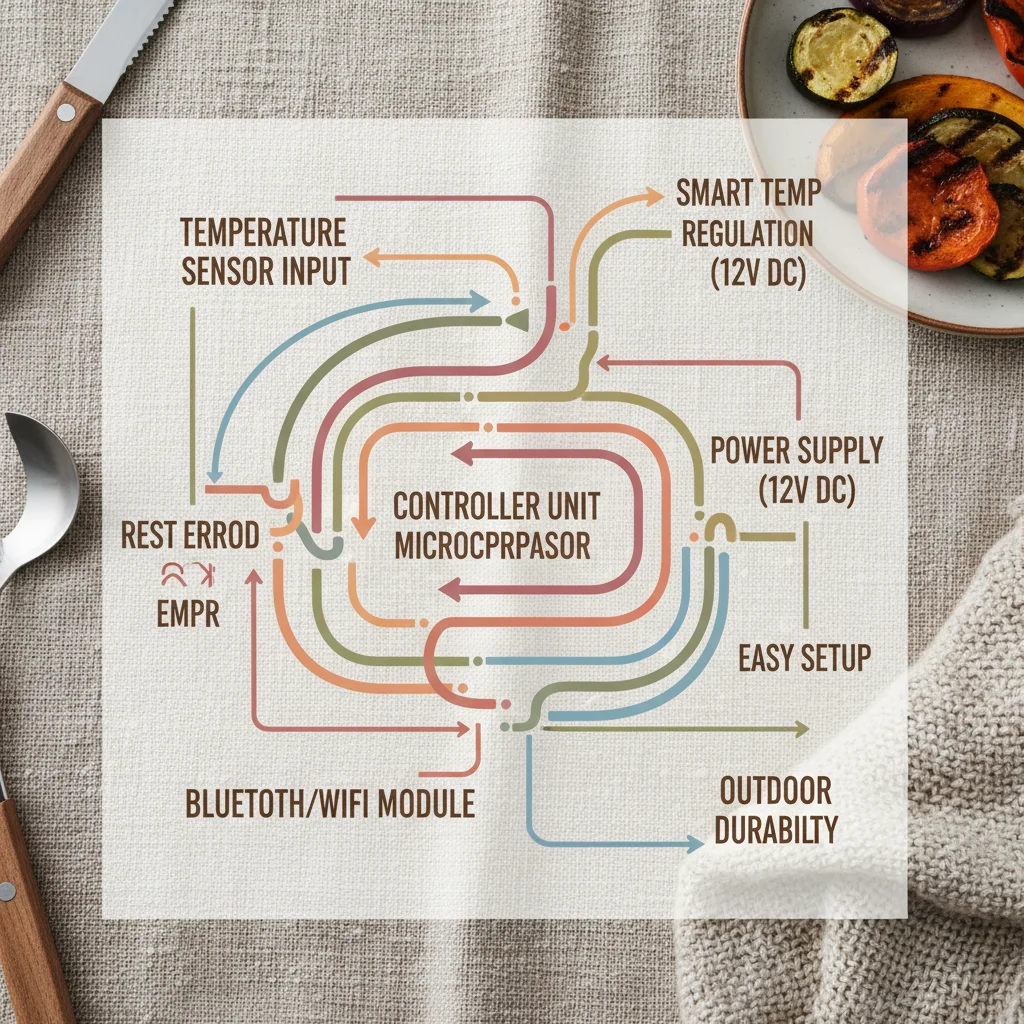
Smart grill trays with integrated sensors that monitor temperature and cooking progress are also on the horizon. These innovative features will provide users with greater control and precision, leading to even better grilling results. The increasing emphasis on sustainability will also drive demand for eco-friendly materials and manufacturing processes.
Another trend is the rise of customized grill trays tailored to specific grill models and cooking preferences. 3D printing and other advanced manufacturing techniques will make it easier and more affordable to create bespoke replacement parts.
Summary of Factors Influencing BBQ Grill Tray Replacement Choice
| Material Type |
Heat Retention |
Durability/Lifespan |
Maintenance Requirements |
| Cast Iron |
Excellent (9/10) |
Very High (8/10) |
High (Requires seasoning & rust prevention) |
| Stainless Steel |
Good (7/10) |
High (7/10) |
Low (Easy to clean) |
| Porcelain-Coated Cast Iron |
Excellent (9/10) |
Good (6/10) – Coating can chip |
Medium (Moderate cleaning, coating care) |
| Porcelain-Coated Steel |
Good (7/10) |
Medium (5/10) – Coating can chip |
Low (Easy to clean, coating care) |
| Chrome Plated Steel |
Moderate (6/10) |
Low (3/10) – Prone to rusting |
Low (Easy to clean, but requires rust prevention) |
| Advanced Alloy (Future) |
Excellent (9.5/10) |
Very High (9/10) |
Minimal (Self-cleaning properties) |
FAQS
The frequency of replacement depends on usage and material. Cast iron, when properly maintained, can last a decade or more. Stainless steel generally lasts 7-8 years. Porcelain-coated trays may need replacing every 5 years if the coating chips. Inspect annually for rust, warping, or significant wear and tear.
The best material depends on your cooking style and priorities. Cast iron provides excellent heat retention, ideal for searing. Stainless steel is easy to clean and corrosion-resistant. Porcelain-coated options offer a non-stick surface but are more susceptible to chipping. Consider your budget and maintenance preferences when making a decision.
Measure the length and width of your existing grill tray. It’s crucial to get accurate measurements to ensure compatibility. Refer to your grill’s user manual or the manufacturer’s website for specific tray dimensions. Some grills require custom-sized trays, so precise measurements are essential.
Seasoning cast iron creates a protective layer and prevents rust. First, clean the tray thoroughly with hot, soapy water and dry completely. Then, apply a thin coat of cooking oil (like flaxseed or vegetable oil) to all surfaces. Bake the tray upside down in a preheated oven at 350-400°F (175-200°C) for one hour. Repeat this process 2-3 times for optimal seasoning.
Porcelain-coated trays offer a convenient non-stick surface and are easier to clean than cast iron. However, the coating is prone to chipping over time, especially with heavy use. While they offer a good balance of performance and convenience, they may not be as durable as solid cast iron or stainless steel.
While stainless steel is corrosion-resistant, it can still rust if exposed to salt or harsh chemicals. Regularly clean the tray with mild soap and water, and avoid using abrasive cleaners. Dry the tray thoroughly after each use. If rust does appear, use a stainless steel cleaner to remove it.
Conclusion
In conclusion, selecting the right bbq grill tray replacement is paramount to ensuring a safe, efficient, and enjoyable grilling experience. From understanding the nuances of different materials – cast iron, stainless steel, and porcelain-coated options – to recognizing the factors that influence longevity, making an informed choice is key. Prioritizing quality, compatibility, and proper maintenance will yield years of reliable performance and superior cooking results.
Looking ahead, innovations in materials science and manufacturing promise even more durable, efficient, and user-friendly grill trays. Embrace these advancements and regularly assess your grilling needs to optimize your outdoor cooking setup. Visit our website at https://www.kingwaycookwares.com to explore our wide selection of high-quality BBQ grill tray replacements and elevate your grilling game today!