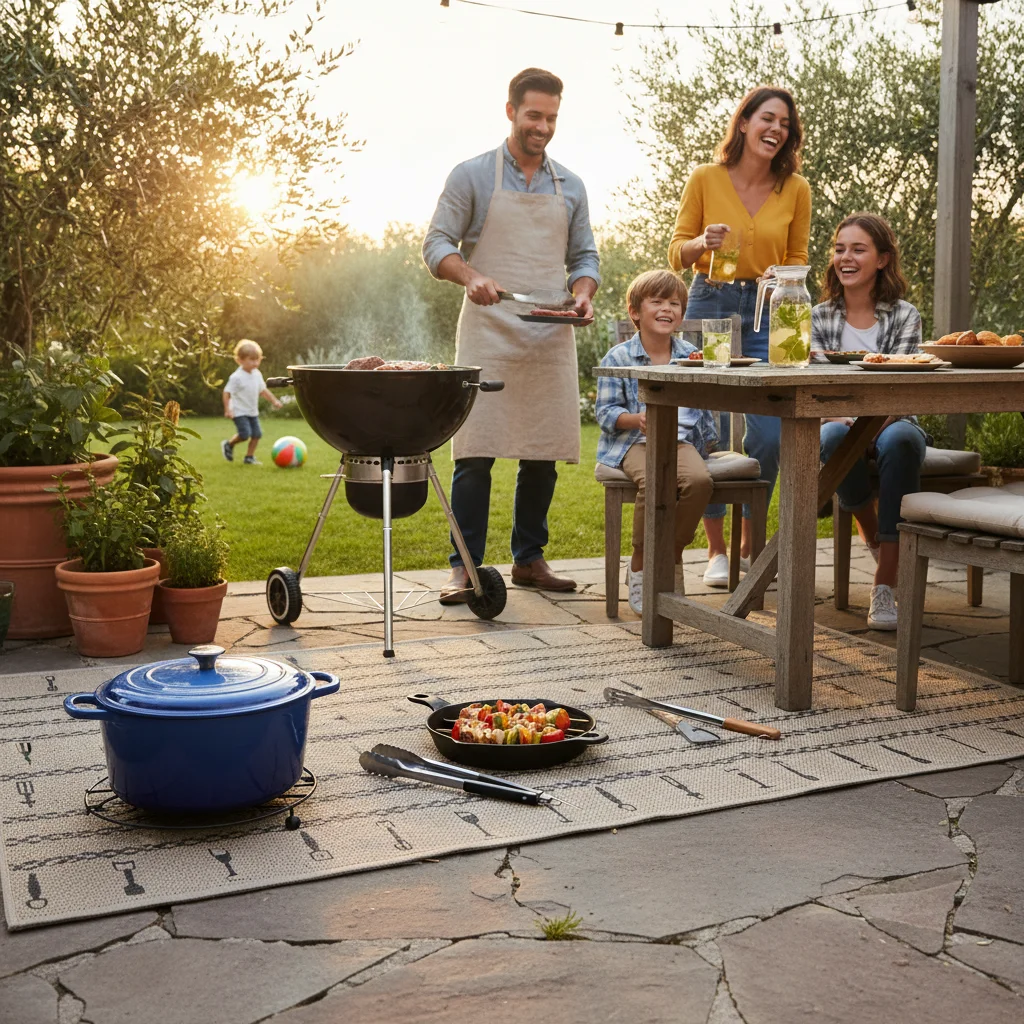
Barbecue cooking is a beloved pastime enjoyed globally, and ensuring safety while handling hot surfaces and flames is paramount. This is where bbq cooking gloves become indispensable. They provide a crucial barrier against burns, allowing enthusiasts to confidently manage grills, smokers, and hot cookware. The demand for reliable and effective bbq cooking gloves is steadily rising, driven by increased outdoor cooking trends and a greater awareness of kitchen safety.
The global market for kitchen accessories, including specialized items like bbq cooking gloves, is experiencing substantial growth. Reports indicate a consistent upward trend in consumer spending on outdoor living and cooking equipment. This trend is particularly pronounced in North America and Europe, where backyard barbecues are deeply ingrained in the culture. ISO standards for heat resistance and material safety are increasingly important considerations for manufacturers and consumers alike.
However, not all bbq cooking gloves are created equal. Many consumers face the challenge of finding gloves that offer both adequate heat protection and a comfortable, dexterous fit. Subpar gloves can limit maneuverability, making tasks more difficult and potentially increasing the risk of accidents. Understanding the key features and materials that define quality bbq cooking gloves is essential for making informed purchasing decisions.
The Importance of BBQ Cooking Gloves
The primary importance of bbq cooking gloves lies in preventing burns. Handling hot grill grates, searing meat, or adjusting charcoal requires a protective layer that can withstand high temperatures. Without adequate protection, even brief contact with hot surfaces can result in painful and debilitating injuries.
Beyond burn prevention, good bbq cooking gloves enhance control and safety during the cooking process. They allow you to maneuver food with confidence, reducing the risk of dropping or fumbling items, and provide a secure grip, especially when working with slippery meats or vegetables. This translates to a more enjoyable and stress-free barbecue experience.
Defining BBQ Cooking Gloves
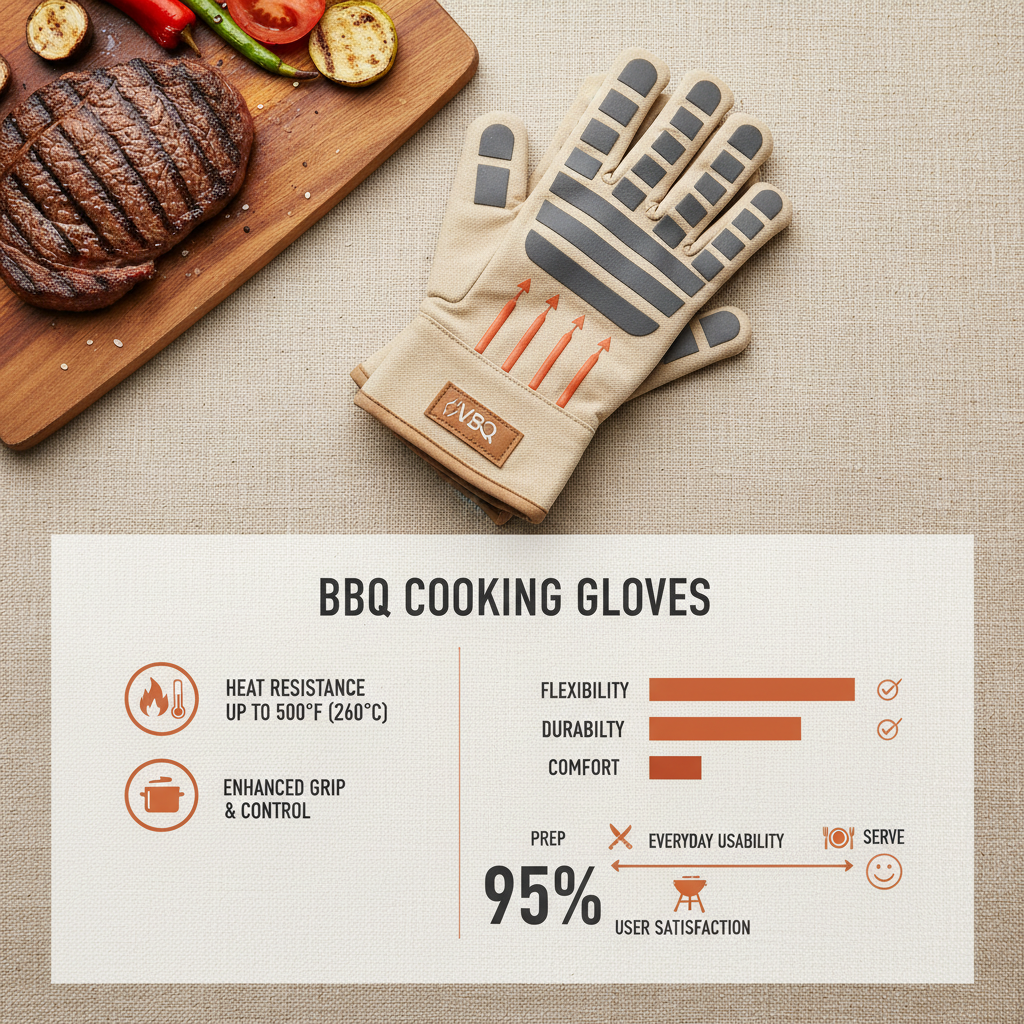
BBQ cooking gloves are specialized hand coverings designed to protect the user from high temperatures encountered while grilling, smoking, or working with hot cookware. They differ significantly from standard oven mitts in their construction, prioritizing dexterity and heat resistance over bulk. They’re crafted from materials capable of withstanding temperatures often exceeding 450°F (232°C).
These gloves aren’t solely for professional chefs; they are essential for any home cook who enjoys outdoor barbecues. They bridge the gap between using utensils and direct hand contact, enabling tasks like flipping burgers, moving hot coals, or handling roasting racks with ease and safety. Modern bbq cooking gloves prioritize both protection and functionality.
The connection to modern industry lies in the continuous demand for specialized protective gear. As outdoor cooking evolves, so does the need for increasingly sophisticated and reliable bbq cooking gloves, mirroring advancements in materials science and ergonomic design applied in various industrial safety sectors.
Key Factors for Optimal Performance
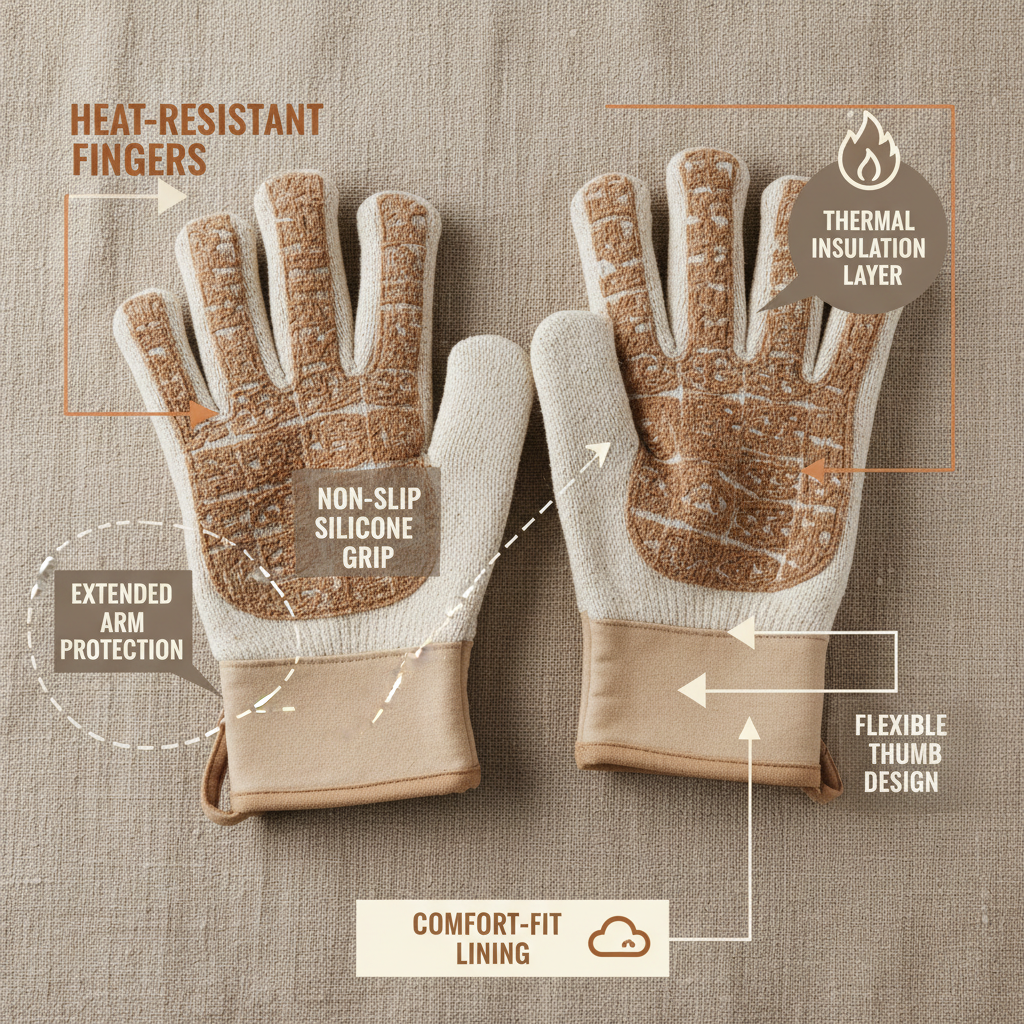
Several key factors contribute to the optimal performance of bbq cooking gloves. Heat resistance is paramount, dictating the maximum temperature the gloves can withstand without transferring heat to the hands. Dexterity is equally important, allowing for a secure grip and precise movements.
Another crucial factor is comfort. Gloves should fit snugly but not restrict movement. Breathability is also essential, preventing excessive sweating and maintaining a comfortable grip. Furthermore, durability ensures the gloves will withstand repeated use and washing without deteriorating.
Finally, ease of cleaning is a practical consideration. Gloves that are easily washable will maintain hygiene and prevent the buildup of grease and food residue, extending their lifespan and ensuring a safe cooking experience.
Material Composition and Heat Resistance
The material composition of bbq cooking gloves directly dictates their heat resistance. Common materials include silicone, Nomex, and aramid fibers. Silicone gloves offer good heat resistance and are often waterproof, while Nomex and aramid fibers excel in providing high levels of protection against extreme temperatures.
Different types of BBQ cooking gloves offer varying degrees of heat protection. For example, silicone gloves typically withstand temperatures up to 450°F, whereas gloves made with Nomex or aramid fibers can handle temperatures exceeding 500°F or even 932°F (500°C) for brief exposures. Understanding these ratings is critical for selecting gloves appropriate for your cooking style and the temperatures you’ll be working with.
Heat Resistance Comparison of BBQ Cooking Glove Materials
Global Applications and User Profiles
The use of bbq cooking gloves spans across diverse regions and user profiles. In North America, they are a staple for backyard barbecue enthusiasts. In Europe, particularly in countries with strong grilling traditions like Spain and Italy, they are increasingly popular amongst both home cooks and professional chefs.
User profiles range from casual weekend grillers to competitive barbecue teams. Professional chefs in restaurants and catering businesses rely heavily on high-quality gloves for safe and efficient food preparation. Even outdoor event organizers utilize them for handling hot food items during large gatherings.
Advantages and Long-Term Value
The advantages of investing in quality bbq cooking gloves extend beyond immediate safety. The long-term value lies in preventing burns and injuries, reducing healthcare costs and minimizing downtime. They enhance the overall cooking experience, allowing users to focus on flavor and technique rather than fear of burns.
These gloves are often reusable and durable, making them a sustainable investment compared to disposable alternatives. The peace of mind knowing you're adequately protected adds an immeasurable emotional value, contributing to a more relaxed and enjoyable barbecue experience.
Furthermore, a reputation for using safe and reliable equipment builds trust amongst those you cook for – friends, family, or customers – enhancing your culinary credibility.
Future Trends and Innovations in BBQ Cooking Gloves
Future trends in bbq cooking gloves are likely to center around advancements in materials science. We can expect to see the development of even more heat-resistant and durable materials, potentially incorporating nanotechnology for enhanced protection. Ergonomic designs that improve dexterity and comfort will continue to evolve.
Smart gloves with integrated temperature sensors are a possibility, providing real-time feedback on heat levels. Sustainable and eco-friendly materials will become increasingly important, driven by consumer demand for environmentally responsible products.
Digital integration, such as gloves with augmented reality features to display temperature guides or cooking tips, could also emerge, blending functionality with technological innovation.
Analysis of Key Attributes for BBQ Cooking Gloves
| Material Type |
Heat Resistance (Rating 1-10) |
Dexterity & Grip (Rating 1-10) |
Durability & Washability (Rating 1-10) |
| Silicone |
7 |
6 |
8 |
| Aramid Fiber |
9 |
7 |
9 |
| Nomex |
8 |
6 |
7 |
| Cotton Blend |
3 |
5 |
4 |
| Polyester |
4 |
4 |
6 |
| Hybrid (Silicone/Aramid) |
9 |
8 |
9 |
FAQS
The ideal heat resistance depends on your cooking style. For general grilling, a rating of 450°F (232°C) is often sufficient. However, if you frequently work with extremely high temperatures (e.g., searing steaks over intense heat or handling hot coals), look for gloves rated at 500°F (260°C) or higher. Consider materials like Aramid Fiber or Nomex for superior protection.
Dexterity is crucial. Gloves that are too bulky will make it difficult to handle food and utensils effectively, potentially leading to accidents. Look for gloves with a snug but comfortable fit that allows for a full range of motion. Silicone-coated gloves often offer a good balance of heat protection and dexterity.
Some bbq cooking gloves are waterproof, particularly those made from silicone. Waterproofing protects your hands from liquids and sauces, and helps to keep the gloves clean. However, not all gloves are fully waterproof, so check the product description carefully if this is a key requirement for you.
Cleaning instructions vary depending on the material. Silicone gloves can typically be washed with soap and water. Aramid fiber or Nomex gloves may require hand washing or a gentle machine cycle. Always check the manufacturer’s instructions to avoid damaging the gloves and compromising their heat resistance.
BBQ cooking gloves are designed for more precise handling and dexterity. Oven mitts are typically thicker and bulkier, providing maximum heat protection but limiting your ability to feel what you’re handling. BBQ gloves allow for better control when flipping, moving, or carving food directly on the grill.
The lifespan of bbq cooking gloves depends on usage frequency and care. With proper cleaning and storage, a high-quality pair can last for several years. Regularly inspect for cracks, tears, or signs of wear, and replace them if they become damaged to ensure continued protection.
Conclusion
In conclusion, bbq cooking gloves are an essential safety tool for anyone who enjoys grilling or smoking food. Choosing gloves with the right material composition, heat resistance, and dexterity ensures a safe, comfortable, and enjoyable cooking experience. Investing in quality gloves is not just about protecting your hands; it's about enhancing your culinary confidence and reducing potential risks.
Looking ahead, we can expect continued innovation in this space, with advancements in materials and designs leading to even more effective and user-friendly bbq cooking gloves. Prioritizing safety, comfort, and durability will remain paramount as the demand for outdoor cooking continues to grow. Visit our website at www.kingwaycookwares.com to explore our range of bbq cooking gloves and elevate your grilling game!