
The efficient operation of a barbecue relies heavily on precise temperature control, and a bbq fan controller is the cornerstone of achieving this. These controllers automate airflow to maintain consistent heat, whether you're low-and-slow smoking ribs or searing steaks. Understanding the nuances of bbq fan controllers is crucial for any serious outdoor cook, leading to improved results, reduced fuel consumption, and a more enjoyable barbecue experience.
Globally, the demand for outdoor cooking solutions is booming, driven by lifestyle changes and a growing appreciation for gourmet experiences. The UN projects continued population growth in urban areas, leading to more demand for convenient and efficient outdoor cooking spaces. ISO standards increasingly emphasize safety and efficiency in home appliances, impacting the design and manufacture of bbq fan controllers. A reliable bbq fan controller offers consistent performance, regardless of weather conditions or fuel type.
The increasing popularity of competition BBQ and the desire for repeatable, professional-quality results have also fueled the market. The ability to accurately manage temperature is no longer a luxury but a necessity, making a quality controller an essential component of modern BBQ setups. Investing in a robust bbq fan controller can significantly elevate the overall BBQ experience.
Understanding BBQ Fan Controllers
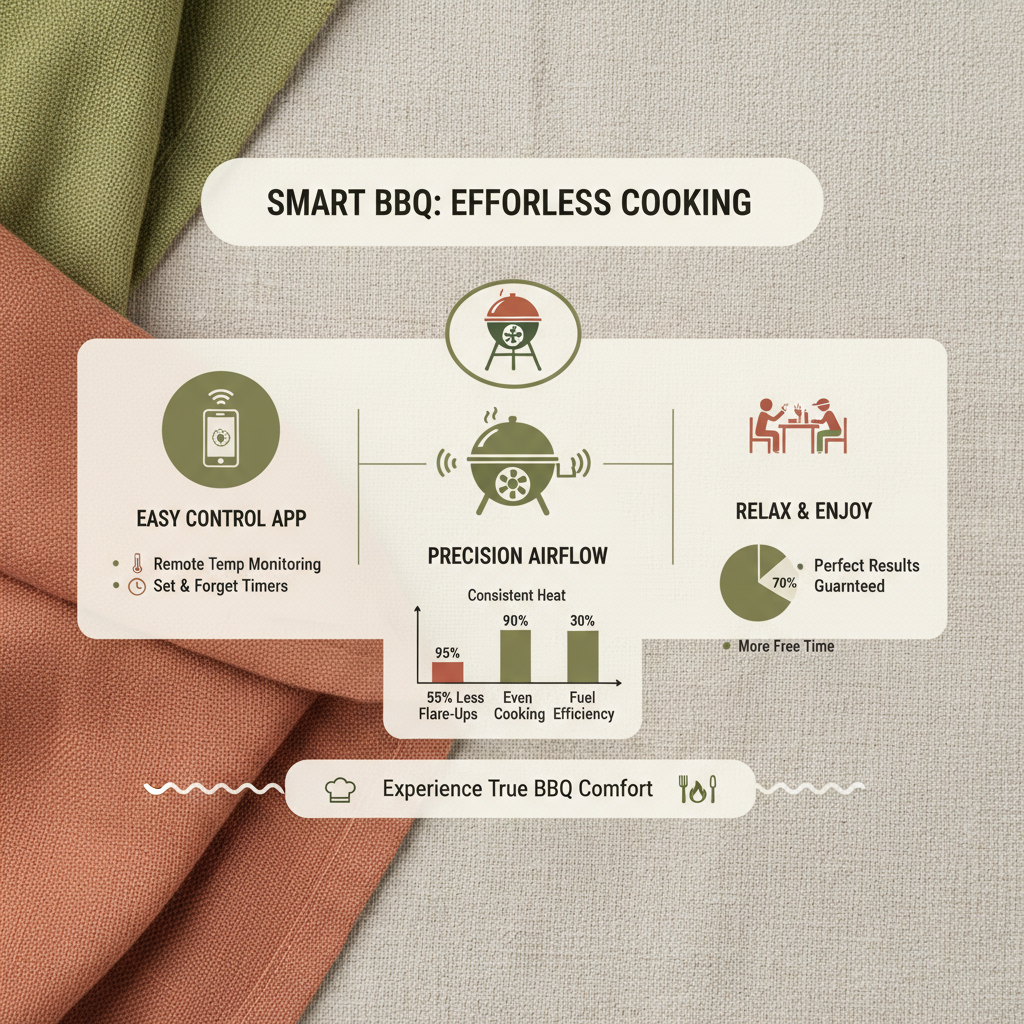
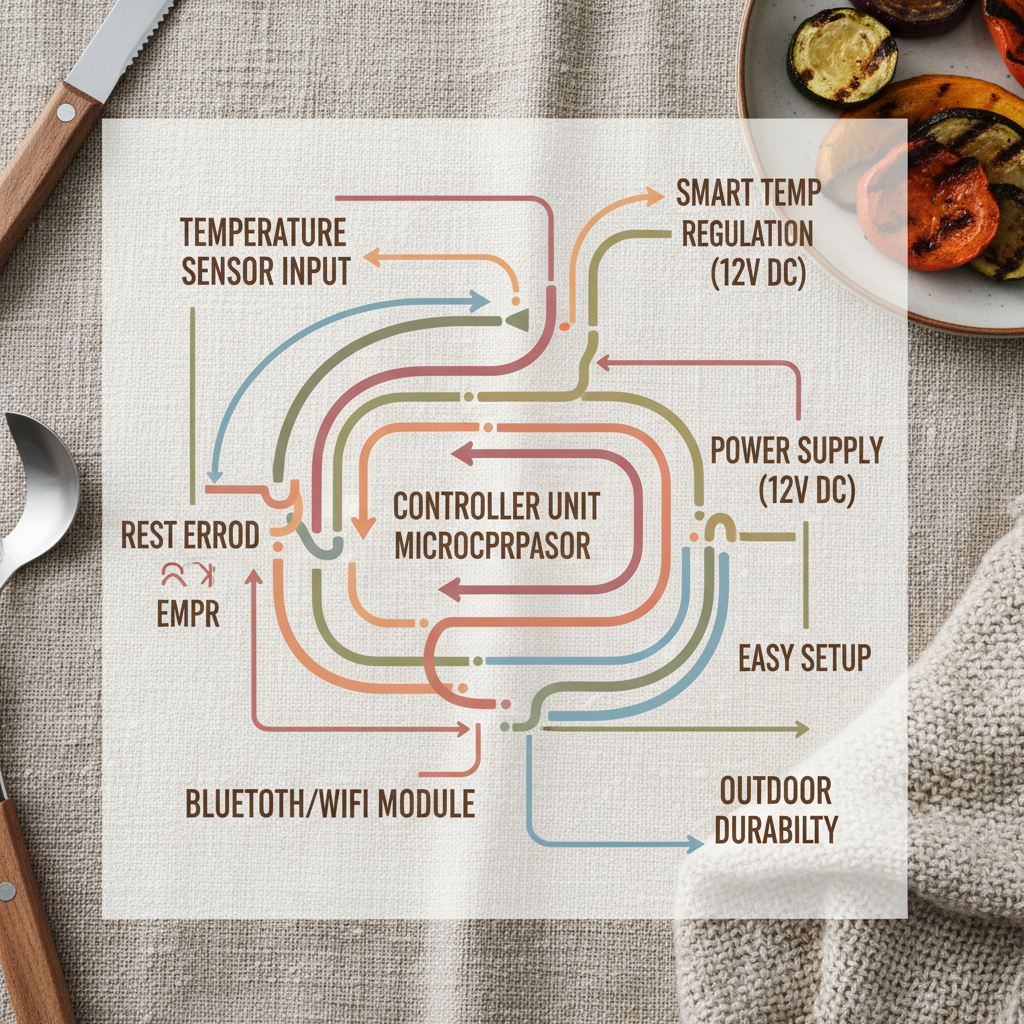
A bbq fan controller, at its core, is a device that regulates airflow within a smoker or grill to maintain a desired temperature. This is typically achieved by adjusting the speed of a fan, which in turn controls the amount of oxygen supplied to the heat source (charcoal, wood, or gas). Without consistent airflow management, achieving precise temperature control is extremely difficult, leading to inconsistent cooking results.
Modern controllers often incorporate PID (Proportional-Integral-Derivative) algorithms for precise temperature regulation. These algorithms continuously monitor the temperature, compare it to the setpoint, and adjust the fan speed accordingly, minimizing temperature fluctuations and ensuring stable cooking conditions. The use of a bbq fan controller can be the difference between a dry, unevenly cooked piece of meat and a perfectly smoked masterpiece.
FAQS
A well-maintained bbq fan controller, utilizing quality components like solid-state relays, can typically last 5-10 years or even longer. Factors like usage frequency, environmental conditions (exposure to rain or extreme temperatures), and proper cleaning all contribute to longevity. Regularly checking and cleaning the fan blades and ensuring proper ventilation can significantly extend its lifespan.
Most bbq fan controllers are designed to be compatible with a wide range of smokers, including offset smokers, pellet smokers, and Kamado grills. However, some adjustments might be needed depending on the smoker’s design and airflow characteristics. It’s important to ensure the fan has sufficient airflow and that the controller’s temperature probe can be properly positioned within the cooking chamber.
PID stands for Proportional-Integral-Derivative, and it refers to a sophisticated control algorithm. A PID controller continuously monitors the temperature, compares it to the setpoint, and adjusts the fan speed to minimize temperature fluctuations. It offers far more precise and stable temperature control than simpler on/off controllers, resulting in better cooking outcomes.
Calibration ensures the controller displays the correct temperature. Many controllers allow for temperature offset adjustments. To calibrate, compare the controller’s reading to a calibrated thermometer. If there’s a difference, adjust the offset setting until the controller matches the thermometer. Regularly verifying accuracy is crucial for optimal results.
Always disconnect power before installing or adjusting any electrical components. Ensure proper wiring connections and protect the controller from moisture and extreme temperatures. Follow the manufacturer’s instructions carefully and consider using a surge protector to safeguard against power surges. Avoid placing the controller near flammable materials.
Absolutely. By maintaining a consistent temperature, a bbq fan controller prevents temperature swings that lead to wasted fuel. Precise airflow control optimizes combustion, ensuring efficient burning of charcoal, wood, or pellets. This not only saves money but also reduces emissions, making your BBQ experience more environmentally friendly.
Conclusion
In conclusion, a bbq fan controller is an invaluable tool for anyone serious about BBQ. From enhancing temperature stability and fuel efficiency to promoting consistent results and simplifying the cooking process, the benefits are undeniable. The continued development of this technology, driven by innovation and a growing passion for outdoor cooking, promises even greater precision and convenience in the future.
Investing in a quality bbq fan controller is an investment in your BBQ experience. We encourage you to explore the options available and find the controller that best suits your needs and preferences. Elevate your BBQ game today! Visit our website for a wide selection of bbq fan controllers and accessories: www.kingwaycookwares.com